From amenity lists to architectural stories in the Balearic Islands
Luxury in the Balearic Islands once meant a long amenities list and a bigger swimming pool. Today the best hotels in Mallorca, Menorca, Ibiza and Formentera compete instead on how coherently their architecture, rooms and service narrate the island around them. For travelers comparing design hotels across the archipelago, the real question is no longer just the price per night but whether the building itself earns your flight to Spain.
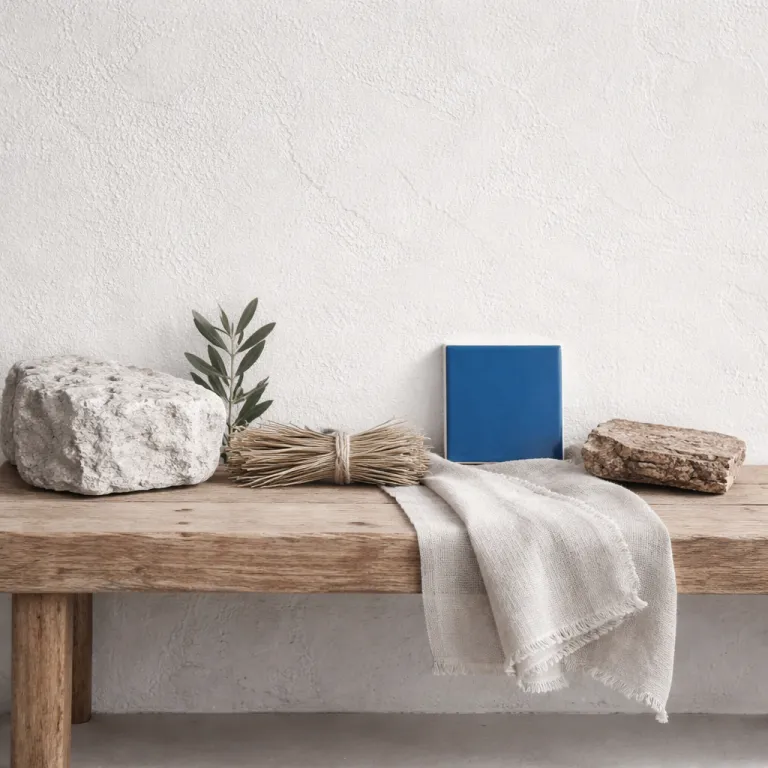
Across Mallorca and Ibiza, a new generation of luxury hotels is replacing anonymous white boxes with properties that feel rooted in stone, light and landscape. The shift is visible from Palma’s historic streets to the quieter coves of Menorca, where hotels best positioned for discerning guests now use local materials, vernacular forms and carefully framed sea views as their primary offers. When you check availability on a serious design-led hotel, you are effectively choosing an architectural point of view on each island.
This evolution is not aesthetic window dressing; it is a business strategy that commands higher prices and longer stays. Public listings and review platforms currently highlight a small but influential group of explicitly design-focused hotels in the Balearic Islands, shaping expectations for what a star hotel can be here. These properties are proving that guests will pay a premium price per night when architecture, interiors and service align, especially when the hotel is located within a short walk of a compelling beach or a historic centre.
In Mallorca, Hotel Corazón on the road between Sóller and Deià has become shorthand for this new attitude. Designer Tatjana von Stein reimagined the terrace restaurant as a series of sculptural levels, where rough plaster, terracotta and low-slung furniture frame long views over the Tramuntana mountains. The rooms feel more like a private finca than a conventional hotel, and the swimming pool is treated as a reflective plane in the landscape rather than a noisy amenity deck.
Guests who once filtered hotels by spa size or the number of restaurants now ask different questions. They want to view hotel images that show how the building sits in the terrain, how the rooms open to the breeze, how far the beach really is in metres rather than marketing language. When you check a hotel’s availability and prices on a site like stay-in-balearic-islands.com, the most engaged travelers are comparing design coherence as carefully as they compare hotel offers.
Menorca illustrates the same shift with a quieter tone. Here, luxury hotels are often converted farmhouses where dry stone walls, limewashed façades and low sloping roofs keep the architecture almost invisible from a distance. Inside, the best hotels balance generous rooms and free-flowing communal spaces with a restrained palette, proving that a design hotel in Menorca does not need a vast spa or a rooftop bar to justify its nightly rate; it needs a sense of place that feels impossible to copy on another island.
Ibiza’s new design ambition: from party island to architecture lab
Ibiza has long been reduced to a single story, yet the island now hosts some of the most ambitious design hotels in the Balearic Islands. The Site Ibiza, with interiors by Lázaro Rosa Violán for Palladium Hotel Group, is a 461-room statement that the island can handle scale without sacrificing design intent. Instead of defaulting to generic resort language, the hotel uses layered textures, warm lighting and precise zoning to manage the energy of a large property from day to night.
Rosa Violán’s work at The Site Ibiza signals a broader confidence in the island’s design vocabulary. Public spaces are choreographed like a sequence of urban rooms, shifting from shaded lounges to open terraces that capture sea views without turning the façade into a wall of glass. For guests comparing hotels best suited to a business-leisure stay, this means you can host a meeting in the morning, walk a minute to the beach after lunch, then return to a lobby that feels more like a private members’ club than a transit hall.
In Ibiza Town, the Montesol Experimental Hotel shows how heritage buildings are being reinterpreted rather than erased. Designer Dorothée Meilichzon has reworked the interiors with a palette that nods to the island’s 1930s glamour while keeping the rooms functional for contemporary travelers who may be checking emails as often as they check the pool temperature. The hotel is located on a prime corner facing the marina, and its price per night reflects both the architecture and the address.
Montesol’s ground floor operates almost as an extension of the street. Guests and locals move through a sequence of bar, lounge and terrace spaces that blur the line between hotel and city, a useful quality if you are extending a work trip and need informal meeting spots. When you view hotel details online and check availability, you are not just booking rooms; you are reserving a front row seat on Ibiza’s urban theatre, with the island’s nightlife a short taxi ride away rather than pressed against your window.
This design-led ambition has clear commercial logic. Industry reports consistently show that properties investing in architecture and interiors see stronger brand loyalty, with repeat guests less sensitive to incremental increases in prices as long as the experience feels singular. For a traveler choosing between several luxury hotels on Ibiza, the decision often comes down to which hotel offers the clearest identity, not which one throws in the most free extras or the largest spa menu.
There is, however, a tension beneath the polished surfaces. As average daily rates climb, some long-term visitors worry that design hotels and former boutique hotels are pricing out the bohemian character that made Ibiza interesting in the first place. The best hotels are responding by commissioning local artisans, integrating island materials and ensuring that even a star hotel with a dramatic swimming pool still feels connected to the rocky coves and pine forests that define this part of Spain.
Formentera and rural Mallorca: architecture as quiet luxury
If Ibiza is the stage, Formentera and rural Mallorca are the retreat, and here design hotels in the Balearic Islands speak in a softer register. Vestige Can Jordi in Formentera is a defining example, a restored rural estate with 25 suites that uses local stone, lime plaster and timber to create a sense of continuity with the island’s agricultural past. Instead of competing with the beach, the hotel is located inland, turning the journey to the sea into a daily ritual rather than a default backdrop.
Vestige Can Jordi’s architecture is a study in restraint. Suites open onto private terraces framed by low walls, with sea views glimpsed between fields rather than shouted from a clifftop infinity pool, and the swimming pool itself is sunk into the landscape to minimise visual noise. For guests used to urban luxury hotels, the experience recalibrates expectations; the real offers here are silence, proportion and the feeling that your rooms could only exist on this island.
On Mallorca, architect Antonio Obrador’s work at Dunas de Formentera’s sister projects and across the region reinforces this rural modernism. Properties near Santa Ponsa and along the south coast use sandy-toned stone, deep overhangs and carefully oriented courtyards to manage light and wind, making a midday meeting on the terrace as comfortable as a late-night drink. When you check availability for a hotel in Palma versus a rural finca, you are choosing between two different readings of the Mallorcan landscape.
Hotel Corazón, again, captures this balance between design and ease. The hotel is located a short drive from Palma yet feels a world away, with rooms that open directly onto gardens and a swimming pool that reads as a water feature in a sculpture park. Guests who might once have booked a conventional city stay for business now split their time, spending a night in town for meetings before moving to a design hotel in the hills for a slower rhythm.
For business-leisure travelers, this rural turn has practical implications. A hotel that is a five-minute walk from a quiet cala may be more valuable than one directly on a crowded beach, especially if you need reliable sleep between calls and dinners. When you view hotel options on stay-in-balearic-islands.com and compare price per night, consider not only the spa and the obvious sea views but also the micro-geographies of wind, light and noise that good architects obsess over.
These properties also challenge the old assumption that only coastal addresses justify premium prices. In both Formentera and Mallorca, some of the best hotels are now inland, where land allows for generous rooms, layered gardens and long sightlines that make the island feel expansive. The business case is clear: guests stay longer, spend more on site and return more often when the architecture itself becomes part of their memory of Spain.
The business case and the risk: when design drives the room rate
The rise of design hotels in the Balearic Islands is not a niche aesthetic movement; it is a revenue strategy that is reshaping how hotels are financed, marketed and booked. Properties that invest heavily in architecture and interiors typically achieve higher average daily rates and stronger year-round occupancy, especially among business-leisure travelers who value coherence over spectacle. When you check availability and prices for these hotels across the islands, you are seeing the financial outcome of those design decisions translated into each nightly rate.
Gran Hotel Margalida, with its self-described cinematic design, is a case study in this logic. Every corridor, room and public space is treated as a frame in a film, guiding guests through a narrative that justifies a premium price per night even outside peak season. For travelers, the benefit is clear: you can expect a level of detail that makes even a short stay feel considered, from the way your room lighting responds to sunset to how the spa circulation keeps treatment areas quiet.
The Parador de Eivissa Dalt Vila pushes the model further by anchoring luxury in heritage. A multi-million-euro restoration has turned a UNESCO-listed fortress into a hotel where stone ramparts, narrow passages and elevated terraces provide some of the most dramatic sea views in Ibiza. When you view hotel images and check availability here, you are effectively buying into centuries of island history, and the prices reflect that depth.
For booking platforms like stay-in-balearic-islands.com, this shift demands a different kind of curation. It is no longer enough to list hotel offers and filter by star rating or free breakfast; the platform must explain why one design hotel in Palma commands higher prices than another with similar amenities. Our guide to choosing the perfect villa in Ibiza for a refined Balearic escape, for example, applies the same lens to private properties, asking how architecture, location and layout support both work and leisure.
There is, however, a real risk that design-led hospitality becomes a closed loop. As more luxury hotels chase higher ADR through ever more polished spaces, the islands could lose the informal, improvisational character that once made even modest hotels best in memory. Travelers should therefore check not only the availability and price per night but also how each hotel is located within the social fabric of the island: does it employ local staff, commission local art, leave the beach accessible to non-guests.
The most responsible design hotels in the Balearic Islands are already responding to this challenge. They integrate local artisans into the build, keep public areas open to residents and ensure that a minute’s walk from the lobby can still lead to an authentic bar rather than only to another controlled environment. As one recent summary of the region’s evolution notes, “Emphasis on sustainable design, integration of local art and culture, and use of natural materials and earthy tones” now defines the most forward-looking hotels, and that is where discerning travelers should focus their attention.
Key figures shaping design led hospitality in the Balearic Islands
- Recent TripAdvisor listings identify a compact cluster of design-focused hotels in the Balearic Islands, a small but influential segment that sets expectations for luxury across Mallorca, Menorca, Ibiza and Formentera.
- Hotel Corazón in Mallorca opened recently as part of a wave of design-led properties, signalling investor confidence in architecture-driven hospitality on the island.
- Dunas de Formentera opened in the same period, reinforcing Formentera’s position as a laboratory for low-rise, landscape-sensitive hotel design in Spain.
- The Parador de Eivissa Dalt Vila has undergone a major restoration of a UNESCO-listed fortress into a hotel, illustrating how heritage assets are being leveraged to create high-value luxury rooms with exceptional sea views.
- Vestige Can Jordi’s 25-suite configuration in Formentera shows how small-scale, high-design properties can compete with larger resorts on rate and loyalty by focusing on architecture, materials and context rather than amenity count.
Sources: TripAdvisor, Wallpaper, Time and hotel operator communications.