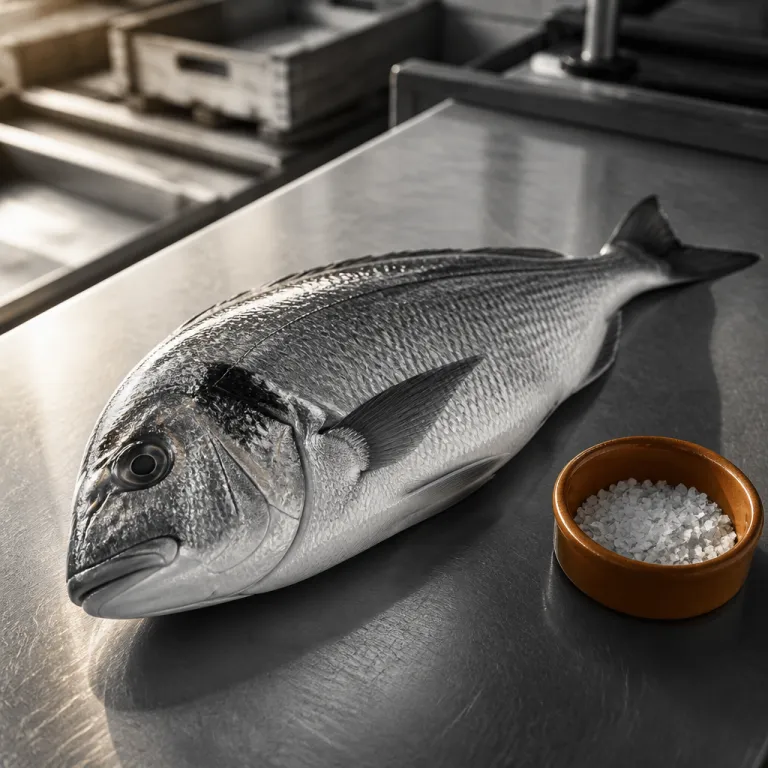
From quay to table: how a Balearic lonja really works
From quay to table: how a Balearic lonja really works
The Balearic Islands’ fresh fish culture begins at dawn on the quay. Local fishermen return to the harbours of Palma, Ibiza Town and Ciutadella with crates of gleaming seafood, and the lonja – the wholesale fish auction – becomes a working theatre of voices, ice and seawater. A lonja is a fish market where local fishermen sell their catch to professional buyers, and many visitors are surprised to learn that this busy trading floor sits only a short walk from some of the region’s most elegant dining rooms.
In the Port de Palma and in smaller ports such as Alcúdia, Maó and Sant Antoni, the auction usually starts early in the morning, often around 7:30–8:00 in the larger markets and slightly later in village harbours. Buyers from hotel restaurants, independent seafood bistros and a few well connected private chefs gather in the centre of the hall, while the catch moves past on conveyor belts or in stacked boxes. Prices rise and fall quickly, and the best restaurants secure the most pristine fish within minutes, long before any printed reviews can keep up.
For couples staying in luxury hotels, the most rewarding experiences come when the concierge arranges a guided walk through the lonja area before lunch. In Palma, for example, the Confraria de Pescadors de Sant Pere sometimes collaborates with local guides so visitors can watch the bidding, then follow the same fish to nearby harbourfront restaurants that cook it within hours. Local tourism offices confirm that many Balearic lonjas allow direct purchases, provided you respect the auction rules, hygiene guidelines and opening times.
Timing matters if you want to see this vibrant choreography at its peak. Visit markets early for the best selection, and do not hesitate to engage with fishermen to learn about the catch and the traditional Mallorcan methods they still use. Many chefs now integrate these long standing supplies with modern Mediterranean cuisine, blending authentic Spanish recipes with lighter techniques that suit a warm island evening.
Palma’s Lonja del Pescado and the santa catalina hotel table
In Palma, the historic Llotja de Palma building anchors a waterfront district where trade, art and dining intersect. This former exchange, framed by Gothic architecture and cobbled streets, gives its name to both the Plaça de la Llotja square and the wider Lonja neighbourhood that now hosts some of the city’s best seafood restaurants. Around here, Palma Balearic evenings start with vermut in the best bars and end with plates of grilled fish or shellfish that may have been auctioned only hours earlier at the Lonja del Pescado in the nearby port.
Walk from Plaça Llotja towards the Santa Catalina area and the atmosphere shifts from stately stone to a more vibrant, residential rhythm. The Santa Catalina quarter, often shortened to Santa by locals, has become a reference point for harbour to table dining, with tapas counters, wine bars and small dining rooms packed into former fishermen’s houses. Many hotel concierges in this Catalina area maintain an informal list of trusted spots, steering guests towards chefs who still buy directly from the Palma auctions and proudly name their preferred boats on the menu.
For couples booking luxury stays near the centre, proximity to both Llotja Palma and Santa Catalina means you can move easily between galleries, bars and restaurants. One evening might start with an authentic Spanish omelette and a glass of local white wine, then progress to a seafood restaurant where the menu changes according to the morning’s catch. For a deeper rural contrast, some travelers pair these city nights with a stay focused on farmhouse dining in rural Mallorca, using a curated overview of where the hotel chef forages in the Mallorcan countryside.
When you read online reviews of restaurants in this part of Palma, look for specific mentions of the Palma supply chain. Serious places will reference the exact fishing boats or cofradías they buy from, and they will talk about seasons rather than fixed signature dishes. That level of detail is a good sign that your grilled fish or delicate tapas plate truly reflects the Mediterranean cuisine of the day, not a generic tourist offering.
Menorca and Ibiza: from caldereta pots to santa Eulalia quays
On Menorca, the fishing village of Fornells turns fresh seafood into ceremony with its caldereta de llagosta. This lobster stew, cooked slowly in the Menorcan style, is a considerable culinary event and many couples plan an entire evening around one shared pot. Local chefs respect the island’s fishing tradition by buying lobsters directly from nearby markets such as the Mercat des Peix in Maó, then serving them in dining rooms that overlook the same waters where the boats moor.
Here the atmosphere is quieter than in Palma, but the focus on local cuisine is just as intense. The Balearic culinary canon values local ingredients with absolute respect for seasons, so you will see caldereta only when the lobsters are at their best. Some hotel restaurants in Menorca now blend this heritage with Asian or South American influences, creating a lighter Mediterranean cuisine that still feels deeply Mallorcan and Menorcan in spirit.
Across the water in Ibiza, the port of Santa Eulalia offers a different rhythm. Morning brings a steady return of small fishing boats, and by afternoon the surrounding waterfront kitchens are prepping grills and planchas for the evening service. If you are staying in one of the more elegant hotel stays in Ibiza Town, a curated guide to refined Ibiza city hotels makes it easy to pair a design focused room with a table that serves fish landed that same day.
Santa Eulalia’s restaurants range from relaxed tapas bars to ambitious fine dining rooms. Look for menus that highlight fresh seafood from the local auction, and ask staff which dishes best express the day’s catch rather than defaulting to the same grilled prawns every night. For those interested in broader island food culture, events such as Sabors de la Badia, with its focus on bluefin tuna and local wine, show how closely Balearic chefs now align their work with sustainable fishing and regional wines.
Mallorca’s llampuga season and the santa catalina nightlife circuit
On Mallorca, llampuga season from early autumn is when the island’s seasonal fish obsession becomes visible on every serious menu. Llampuga, sometimes called dorado, arrives in quantity for only a few weeks, and harbourfront restaurants compete to present the most elegant versions. In Palma, chefs in the Santa Catalina and Lonja area often serve it with peppers and onions, a classic Mallorcan preparation that feels both rustic and refined.
Couples staying near the centre can build an evening around this single ingredient. Start with tapas in one of the best bars in the Catalina area, perhaps a plate of Spanish omelette and a glass of local malvasía, then move to a restaurant that lists llampuga three ways. The vibrant nightlife here is less about loud clubs and more about a steady flow between wine bars, small restaurants and late night cafés where the atmosphere stays relaxed.
As you move between Plaça Llotja, Llotja Palma and the nearby cobbled streets, pay attention to how different restaurants talk about their seafood. Some will highlight fresh fish from the Palma markets, while others may rely more on distributors and frozen products. For a couple seeking the best tables, the good rule is simple: if the staff can explain which lonja supplied tonight’s fish and how the catch looked in the morning, you are in the right restaurant.
Hotel concierges who specialise in gastronomy often maintain their own informal reviews of local spots. They know which bars pour authentic Spanish vermut, which kitchens handle Mediterranean cuisine with restraint, and which places are better for a quick drink than for a full seafood dinner. Ask them to sketch a personalised route for you, linking two or three venues so you can taste how the same fish appears in different kitchens over one vibrant evening.
Choosing hotels whose restaurants buy direct from the lonja
For luxury travelers, the most meaningful way to engage with Balearic seafood culture is to choose hotels whose kitchens are part of that ecosystem. When comparing properties in Palma, Menorca or Ibiza, ask explicitly whether the hotel restaurant buys fresh seafood directly from local fishermen or only through large distributors. Hotels that work closely with local fishing communities not only serve better food, they also help sustain maritime heritage and support small scale economies.
Several high end hotels in the Palma Mallorca centre now highlight their relationships with the harbour auctions in their menus and storytelling. They may offer early morning visits to Llotja Palma followed by a chef led lunch, or host tastings where guests sample different Mediterranean preparations of the same fish. Some properties even allow guests to accompany the chef to select seafood at the market, then return to the restaurant kitchen to watch it being prepared using traditional Mallorcan recipes.
When reading online reviews, look for concrete details rather than generic praise about a good restaurant or great atmosphere. Serious hotel restaurants will mention specific lonjas, seasonal fish like llampuga, and classic dishes such as Spanish omelette made with local eggs and olive oil. They will also talk about tapas that change daily, reflecting what arrived from the boats that morning rather than a fixed tourist menu.
Across the Balearic Islands, official statistics indicate that Spain’s average annual seafood consumption is around 40 kilograms per person, and regional data notes that roughly one thousand professional fishermen work these waters. Growing interest in farm to table dining and sustainable fishing means more hotel guests now ask how their dinner reached the plate. By choosing hotels that answer those questions clearly and connect you directly to the lonja culture, you turn each meal into part of a wider journey through authentic Spanish coastal life.
FAQ
What is a lonja and can visitors enter ?
A lonja is a working fish market where local fishermen sell their catch to buyers from restaurants, hotels and wholesalers. Many lonjas in the Balearic Islands allow visitors to watch the auction from designated areas, especially in larger ports such as Palma and Ibiza. It is a professional environment, so follow staff instructions, wear closed shoes and avoid blocking pathways while you observe.
Can tourists buy seafood directly from fishermen ?
Yes, many lonjas allow direct purchases from fishermen or from small stalls that represent their boats. You will usually find the best selection in the morning, shortly after the boats return and before restaurant buyers have taken the prime pieces. If you are staying in self catering accommodation, ask your host about cooking facilities and local rules for transporting fresh seafood.
Are there guided tours of lonjas in the Balearic Islands ?
Some markets and tourism boards organise guided tours that explain the auction process and the role of the lonja in local cuisine. These visits often include tastings in nearby restaurants, where you can try dishes prepared from the same fish you saw being sold. Hotel concierges in Palma Mallorca, Menorca and Ibiza can usually arrange these experiences with reputable guides.
How can I tell if a restaurant buys from the lonja ?
The most reliable sign is how specifically the staff talk about their seafood. Restaurants that buy from the harbour auctions will mention the market by name, highlight seasonal fish and adjust menus frequently according to the daily catch. If the menu never changes and servers cannot explain where the fish comes from, it is unlikely to be sourced directly from local fishermen.
Which Balearic island is best for a lonja focused stay ?
Palma on Mallorca offers the greatest concentration of seafood focused restaurants, especially around Llotja Palma and Santa Catalina. Menorca is ideal if you want quieter fishing villages and long, slow meals built around dishes such as caldereta de llagosta. Ibiza works well for couples who want refined hotel stays combined with easy access to working ports like Santa Eulalia, where the morning catch shapes the evening menus.