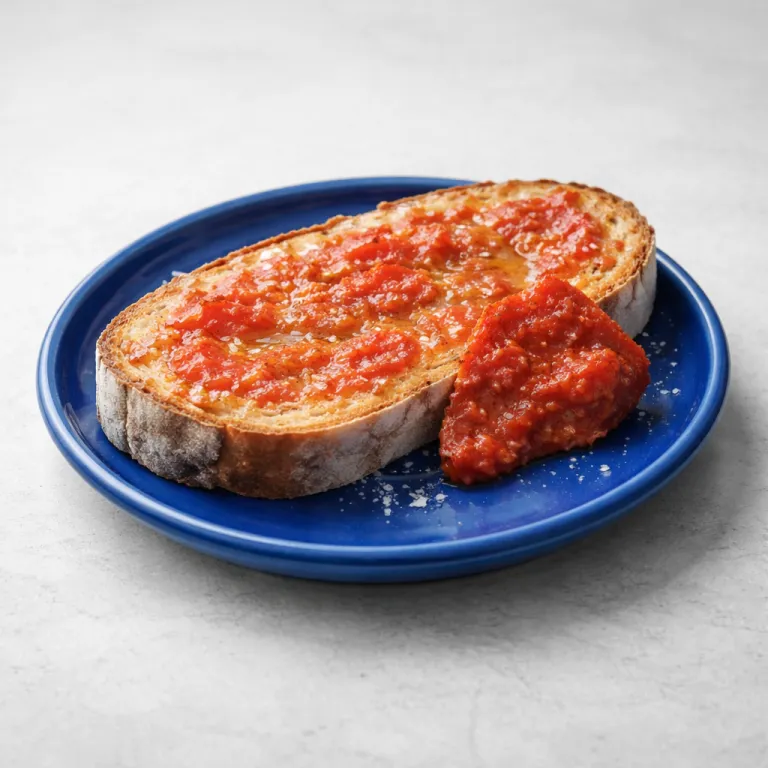
Pa amb oli in Mallorca: history, ingredients and where to eat it
Why pa amb oli is not just bread with tomato
On Mallorca, pa amb oli sits at the center of daily life. This emblematic Mallorcan dish looks deceptively simple, yet it carries the weight of centuries of rural memory and island cooking. When you check into a hotel that genuinely values local gastronomy, the way they serve this plate quietly reveals how seriously they take Mallorcan culture.
Pa amb oli began as a field meal for Mallorcan farmers, created as a practical combination that could survive long days among the terraces. One of the earliest written references appears in the work of the friar and historian Jaume Josep Bernat Martí i Oliver, who described the habit of dressing country bread with oil and salt before tomatoes even arrived from the Americas, a detail also echoed in later studies of traditional Balearic foodways. Once the tomato reached the island and joined the recipe, it transformed the bread into something both more delicious and more emblematic of everyday island food culture.
What separates pa amb oli from other Mediterranean bread and tomato dishes is texture, ritual, and terroir. The base is pan payés, a dense country loaf with a thick crust that holds olive oil without collapsing, and in its most traditional form this bread is served untoasted. As one explanation from local cooks puts it, “How is pa amb oli different from toast? It’s not toasted; bread is rubbed with tomato and drizzled with oil.”
The ramallet tomato, pan payés and the architecture of flavor
The soul of pa amb oli lies in the ramallet tomato, a small, knobbly fruit hung in braids in farmhouse kitchens across the island. Grown in dry stone terraces and poor soils, this tomato concentrates flavor, giving a deep saline note and gentle acidity that standard imports cannot match. Agricultural guides from the Balearic Islands describe ramallet as a traditional long-keeping variety adapted to dry farming, which helps explain its intense taste and its status as a symbol of authentic pa amb oli in Mallorca.
In the classic recipe, the host cuts a ramallet in half and rubs it directly onto pan payés, letting the pulp sink into the crumb while the skin acts almost like sandpaper. The extra-thick crust is crucial, because it allows the mixture of tomato juices and olive oil to soak in without turning soggy, creating a dish that feels both rustic and precise. This is why a proper Mallorcan pa amb oli is never just a random slice of baguette with a tomato smear, but a carefully built structure of bread, olive oil, and salt.
Restaurants and rural fincas that respect traditional Mallorcan cooking often present pa amb oli tableside, with the ingredients laid out for you to assemble. You might be offered several small dishes of different olive oil styles, from grassy extra virgin to softer virgin blends, each one pressed from olives grown on a different part of the island. For travelers choosing a refined Balearic escape, asking whether the kitchen stocks ramallet tomatoes and pan payés is as telling as any design detail.
The oil question: which olive oils locals actually pour
On Mallorca, the choice of olive oil for pa amb oli is not decorative, it is decisive. Traditional families often keep two or three bottles on the table, reserving the most intense extra virgin olive oil for the first drizzle over the bread. In rural hotels and restored fincas, you will sometimes taste oil pressed from trees you can see from your breakfast terrace, a direct line from grove to dish.
Locals rarely use anonymous blends for this everyday staple, preferring single estate oils that express the island. A good combination usually starts with a peppery oil from the Serra de Tramuntana, whose bitterness cuts through the sweetness of the tomato and the richness of mahón cheese or cured ham. Some chefs play with softer virgin olive styles from the Pla region, letting the tomato and salt lead while the oil adds a round, almost buttery finish.
In high end restaurants, you may find pa amb oli served as part of a tasting of Mallorcan cuisine, alongside arros brut, tumbet, or frit mallorquí. Here, the bread-and-oil element becomes a way to showcase different mills, with small dishes of oil presented like wine flights and explained with the same care. For travelers following the island’s gastronomic calendar, events such as the “Mostra de Cuina de Mallorca” or seasonal olive harvest fairs, frequently highlighted by local tourism boards, show how bread, olive oil, and tomato still anchor even the most elaborate menus.
Where to eat the real thing across the Balearic Islands
Finding an authentic pa amb oli in Palma or elsewhere on the island is less about price and more about attitude. Traditional cafés around the old town still serve this Mallorcan classic on thick slices of pan payés, with oil in simple glass bottles and the tomato rubbed to order. In these places, you will often see locals ordering it as an afternoon snack, a light lunch, or even a late supper with a glass of Mallorcan red.
Outside Palma, village bars in Sóller, Pollença, or Santanyí remain some of the best addresses for pa amb oli that respects the original recipe. Expect a wooden board with country bread, a ripe ramallet tomato, a small bowl of extra virgin olive oil, and a pinch of salt, sometimes joined by mahón cheese, local sobrasada, or grilled vegetables. When a place lists pa amb oli among other small dishes rather than hiding it in a snack section, it usually signals pride rather than obligation.
Across the wider Balearic Islands, interpretations vary but the core remains the same. On Menorca, you might find the dish leaning into mahón cheese and local olive oil, while in Ibiza and Formentera it often appears as part of relaxed terrace menus in rural agroturismos. If your trip includes wellness focused stays, pairing a pa amb oli lunch with a day at a coastal spa or yoga retreat offers a balance of indulgence and simplicity that feels very true to the region.
From peasant plate to luxury hotel signature: how chefs elevate pa amb oli
What began as a farmer’s field meal has quietly become a litmus test for serious kitchens in the Balearic Islands. As the fine dining scene matured, chefs stepped away from theatrics and returned to ingredients, treating this humble bread, tomato, and oil combination as a canvas rather than a relic. Many high end restaurants now use pa amb oli to introduce guests to the logic of Mallorcan cuisine before moving on to more complex plates like arros brut or slow cooked lamb.
In refined restaurants, you might see a deconstructed version that still respects the original architecture. Some contemporary chefs choose to toast the pan payés lightly for extra crunch, clearly marking it as a modern interpretation of a dish that was historically served on untoasted bread. The core remains bread, tomato, olive oil, and salt, sometimes with a side of grilled vegetables or mahón cheese to echo the farmhouse table. Even when presented as one of several small dishes in a tasting menu, a good pa amb oli plate usually arrives with minimal garnish, a quiet statement that these ingredients do not need embellishment.
For travelers staying in high end properties, pa amb oli often appears at multiple moments of the day. It may arrive as an afternoon snack by the pool, as oil-rubbed bread on the breakfast buffet, or as a late night room service option that feels both light and deeply satisfying. When hotels treat this simple recipe with the same care they give to caviar or wagyu, they signal that bread, olive oil, and tomato are not an afterthought but the backbone of an island whose most enduring luxury is still its land.
How to order, eat and truly enjoy pa amb oli
Ordering pa amb oli well starts with a few precise questions. Ask which bread they use, whether the tomato is ramallet, and if the olive oil is local, because these ingredients will decide whether you are eating a tourist snack or a traditional Mallorcan dish. When the board arrives, take a moment to look at the bread, the sheen of the oil, and the grain of the salt before you begin.
The classic sequence is simple but deliberate, and it turns this everyday plate into a small ritual. First rub the tomato firmly over the crumb of the pan payés, then add a generous thread of extra virgin olive oil, and finally sprinkle a pinch of salt, adjusting the seasoning to your preference. If mahón cheese, ham, or grilled vegetables are offered, treat them as companions rather than toppings, letting each bite alternate between pure bread-and-oil simplicity and richer combinations.
For solo travelers, pa amb oli is one of the most comfortable ways to eat well without committing to a full menu. You can order a single plate, enjoy it slowly with a glass of local wine, and still feel you have engaged with the heart of Mallorcan cuisine. As one concise definition used by local food writers reminds us, “What is pa amb oli? A traditional Mallorcan dish of bread with olive oil and tomato,” and that is exactly why it has outlasted every passing trend.
FAQ
What is pa amb oli in Mallorcan cuisine ?
Pa amb oli is a traditional Mallorcan dish of bread with olive oil and tomato, usually made with pan payés, ramallet tomatoes, local extra virgin olive oil, and a pinch of salt. It began as a practical field meal for farmers and is now served in homes, village bars, and hotels across the island. Many people add toppings such as mahón cheese, ham, or grilled vegetables, but the core remains bread, tomato, oil, and salt.
How is pa amb oli different from other Mediterranean bread and tomato dishes ?
Pa amb oli uses dense pan payés bread, ramallet tomatoes, and Mallorcan olive oil, which give it a distinct texture and flavor. The bread is traditionally not toasted, and the tomato is rubbed directly onto the crumb rather than sliced on top. This combination, along with the specific balance of salt and local oil, sets it apart from Catalan pa amb tomàquet or Italian bruschetta.
Can pa amb oli include other toppings in luxury hotels ?
Yes, many luxury and premium hotels in the Balearic Islands serve pa amb oli with refined toppings. Common additions include mahón cheese, local cured meats, grilled vegetables, or even seafood, presented as small dishes alongside the bread. The best properties keep the base recipe intact while using high quality local ingredients to elevate the experience.
Is pa amb oli suitable as a full meal for travelers ?
Pa amb oli can be a light meal or an afternoon snack, depending on portion size and toppings. A generous board with bread, tomato, olive oil, cheese, and ham is usually enough for a satisfying lunch, especially when paired with a salad or a small plate of arros brut. Solo travelers often choose it because it is easy to order, not too heavy, and deeply connected to Mallorcan food culture.
Where should I order pa amb oli when staying in the Balearic Islands ?
The most authentic pa amb oli is often found in traditional cafés and village bars that work with local farmers and olive oil producers. Many rural hotels and high end fincas also serve excellent versions, sometimes using oil pressed from their own groves and bread from nearby bakeries. When choosing where to stay, asking how they prepare pa amb oli is a reliable way to gauge their commitment to local gastronomy.
