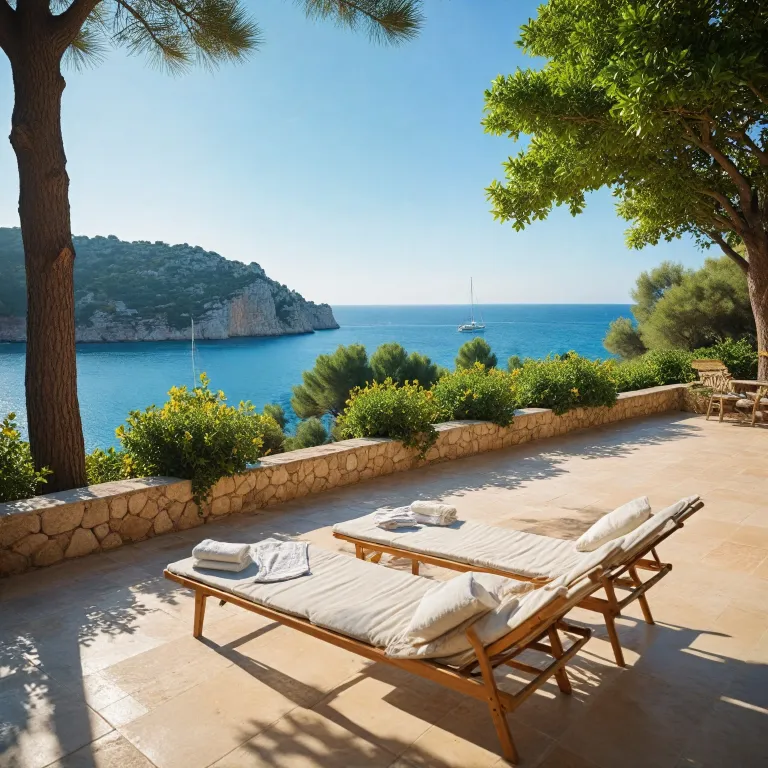
Mallorca beaches and luxury stays for refined Mediterranean escapes
Mallorca beaches combine luminous sand, pine framed cliffs, and calm water that feels made for unhurried days. For travellers choosing a premium hotel, the right beach in Mallorca shapes every moment of the stay, from sunrise swims to late evening walks along the sand. Understanding how each cala, each beach, and each stretch of coast differs helps you match the island’s most beautiful shores with the level of service and privacy you expect.
The Balearic Oceanographic Centre notes that “Projected beach area loss by end of century: 20 %.” This reality makes it even more important to select beaches in Mallorca where conservation, comfort, and access are carefully balanced, especially when you are investing in a luxury hotel. Many of the best beaches now work closely with local municipalities and environmental NGOs to protect dunes, seagrass, and crystal clear waters that define the island’s appeal.
On the north coast, cala Formentor is a classic example of how a small cala can feel both exclusive and accessible when supported by thoughtful infrastructure. The white sand, shallow waters, and long views towards the Tramuntana mountains create a setting that pairs naturally with high end hotels nearby. When you plan your travel, consider how long you want to spend at each beach, which services you expect on site, and whether you prefer to arrive by car, bicycle, or private transfer.
In the south east, coves such as cala Llombards and cala Santanyí offer a different rhythm, with sheltered waters and a more intimate sandy beach framed by cliffs. These beaches in Mallorca are ideal for guests who value a calm sea, easy swimming, and the possibility to return quickly to their hotel for spa treatments or fine dining. Matching each cala and beach to your expectations is the first step towards a Mallorca best itinerary that feels both indulgent and responsible.
Choosing the best beaches in Mallorca for premium hotel stays
When selecting a luxury or premium hotel near Mallorca beaches, start by clarifying what “best beaches” means for your stay. Some travellers prioritise a long sandy beach with gentle water and full services, while others prefer a small cala with dramatic cliffs, fewer people, and wilder surroundings. The coastline around Palma de Mallorca and the wider island offers both, but proximity, access, and environmental management vary significantly.
Families often look for a beach in Mallorca with white sand, shallow waters, and lifeguards, especially during peak time. The Balearic Government’s Emergencies Directorate reports “Peak beach visitors during summer 2024: 550000 people,” which explains why capacity limits and early arrivals are increasingly important. If your hotel offers private transfers, ask the concierge to arrange departures to beaches Mallorca wide during off peak hours, when the sea is calmer and the sand is less crowded.
In the north, cala Formentor and the nearby peninsula combine pine forests, clear waters, and long views that feel almost cinematic. Many guests choose a car to reach this area, but parking can be limited, so confirm arrangements with your hotel before you travel. For a deeper overview of how high end properties manage these logistics across the archipelago, consult this guide to elevating your stay with luxury and premium hotel booking websites in the Balearic Islands.
On the south east coast, cala Llombards, cala Santanyí, and cala Almunia are often cited among the Mallorca best coves for scenery. These small calas offer crystal clear waters and a more intimate sandy beach experience, but services can be limited compared with larger resorts. When booking your hotel, check whether they provide beach kits, shuttle services, or partnerships with local operators so you can enjoy each cala and beach comfortably without compromising on elegance.
Iconic calas from Formentor to des Moro for discerning travellers
Several Mallorca beaches have become emblematic for luxury travellers who value both natural drama and refined comfort. Cala Formentor, often mentioned among the best beaches in Spain, combines a narrow ribbon of white sand with pine shade and exceptionally clear waters. Nearby hotels frequently offer elevated services such as private boat transfers, curated picnics on the sand, and late check outs timed to sunset over the sea.
On the south east coast, cala des Moro and caló des Moro form a duo of coves that attract travellers seeking intense turquoise waters and steep cliffs. Access to this small cala requires a walk, and parking for your car is limited, so coordination with your hotel concierge is essential during busy time periods. These beaches in Mallorca are better suited to confident swimmers, as the sandy beach area is compact and the waters deepen quickly.
Close by, cala Almunia offers another perspective on the same stretch of coast, with stone terraces and views that appeal to photographers and couples. Many guests combine cala des Moro, caló des Moro, and cala Almunia in a single day, returning to their hotel in the evening for spa rituals and tasting menus. This pattern allows you to enjoy the most beautiful waters while keeping the more demanding parts of the excursion balanced with comfort.
Further north east, cala Agulla and cala Torta present a wilder side of beaches Mallorca wide, with sand dunes, pine forests, and a broader sense of space. These sandy beach areas are ideal for guests who appreciate a natural park atmosphere and do not mind fewer built facilities. When planning your travel, consider alternating days at a structured beach Mallorca option with days at these more untamed calas, so your stay feels both polished and authentically Mediterranean.
Matching hotel locations with clear waters and protected landscapes
Choosing a hotel near Mallorca beaches is not only about distance to the sea, but also about the character of the surrounding landscape. Properties near cala Deià, for example, offer dramatic stone terraces and deep blue waters rather than wide sand, which suits travellers who value atmosphere over a classic sandy beach. In contrast, hotels near cala Santanyí or cala Llombards place you within minutes of white sand, crystal clear waters, and family friendly swimming.
Many of the best beaches now sit adjacent to protected areas or informal park zones, where sand dunes and coastal vegetation are carefully managed. The Blue Islands Project notes that “Percentage of beach rubbish that is plastic: 80 %,” a figure that has pushed hotels and local partners to reduce single use items and support clean up initiatives. When evaluating a luxury hotel, ask how they collaborate with these programmes and whether they encourage guests to participate in short, well organised beach clean ups.
In the north, hotels overlooking cala Formentor or the wider bay often provide panoramic views that extend across the sea towards the Tramuntana range. These properties may not sit directly on the sand, but they offer quick transfers to the beach and quieter evenings away from peak crowds. For many guests, this balance between access to beaches in Mallorca and elevated privacy represents the Mallorca best compromise.
On the south east coast, smaller properties near cala Almunia, caló des Moro, and cala Llombards tend to focus on intimate service and tailored experiences. Guests often rent a car to move between these small calas, timing visits for early morning or late afternoon when the waters are at their clearest. By aligning your hotel choice with the specific calas and beaches you wish to frequent, you ensure that every day of your travel feels coherent, relaxed, and visually rewarding.
Practical planning for car access, peak times, and beach capacity
Logistics play a crucial role when pairing luxury hotels with Mallorca beaches, especially during high season. Many of the most beautiful calas, such as cala des Moro, caló des Moro, and cala Almunia, have limited parking and narrow access roads. If you plan to use a car, coordinate with your hotel to understand current restrictions, shuttle options, and the best time of day to arrive.
Authorities across beaches Mallorca wide are increasingly using satellite imagery and on site monitoring to manage erosion and occupancy. Some beaches may implement capacity limits during peak times to manage overcrowding. This means that even guests at high end hotels must plan ahead, reserving sunbeds where possible and accepting that the best beaches may require early starts or flexible schedules.
For families and guests who prefer simplicity, choosing a hotel directly on a sandy beach can reduce the need for daily car journeys. Areas near Colònia Sant Jordi, for example, provide access to long stretches of sand, gentle waters, and nearby park zones with sand dunes and walking paths. These beach Mallorca locations are ideal for longer stays, where the rhythm of the sea and the convenience of stepping directly from hotel to sand become part of daily life.
Travellers focused on wellness often alternate between more structured beaches and wilder calas such as cala Agulla or cala Torta. In these areas, the combination of dunes, pine forests, and clear waters creates a sense of escape that complements spa treatments and mindful activities back at the hotel. By aligning your transport choices, preferred beaches, and hotel services, you transform practical planning into an integral part of a seamless, high quality stay.
Responsible luxury on Mallorca beaches and how guests can contribute
As climate change and rising visitor numbers reshape Mallorca beaches, responsible luxury has become a defining theme for premium stays. The Balearic Oceanographic Centre and local partners highlight increased erosion risks, especially for low lying sandy beach areas backed by fragile dunes. In this context, choosing a hotel that supports conservation is not only ethical, but also a way to protect the very beaches that make your travel special.
Authorities are conducting environmental studies and implementing conservation programs to mitigate erosion. Tourists can participate in clean up activities and adhere to local waste disposal guidelines. Some beaches may implement capacity limits during peak times to manage overcrowding. These measures, while sometimes restrictive, help ensure that clear waters, white sand, and iconic calas such as cala Formentor, cala Deià, and cala Santanyí remain attractive for future guests.
Many high end hotels now integrate sustainability into their core offering, from eliminating single use plastics to supporting local marine projects. Guests can ask whether their chosen hotel collaborates with initiatives that monitor waters quality, protect sand dunes, or restore seagrass meadows near key beaches in Mallorca. Simple actions, such as using refillable bottles, respecting marked paths through dunes, and choosing off peak time slots for visits, collectively reduce pressure on the most popular beaches.
Areas like the south east coast, with calas including cala Llombards, cala Almunia, and caló des Moro, are particularly sensitive due to their small size and intense popularity. By staying in hotels that limit unnecessary transfers, promote walking where possible, and educate guests about local regulations, you help maintain the balance between enjoyment and preservation. Responsible choices ensure that Mallorca best assets, from crystal clear waters to dramatic sea views, remain central to the island’s identity as a refined Mediterranean destination.
Key statistics on Mallorca beaches and tourism
- Projected loss of beach area by the end of the century is estimated at 20 %, according to the Balearic Oceanographic Centre.
- During peak summer periods, beaches across Mallorca have recorded up to 550000 visitors in a single day, as monitored by the Balearic Government’s Emergencies Directorate.
- Analyses by the Blue Islands Project indicate that approximately 80 % of rubbish collected on Mallorca beaches consists of plastic waste.
Essential questions for planning a luxury stay near Mallorca beaches
What measures are being taken to prevent beach erosion in Mallorca?
Authorities are conducting environmental studies and implementing conservation programs to mitigate erosion. These efforts include monitoring sand movement with satellite imagery, reinforcing vulnerable dunes, and adjusting infrastructure near sensitive beaches. When choosing a hotel, ask how the property supports these initiatives, particularly if it is located close to a sandy beach or protected cala.
How can tourists help maintain the cleanliness of Mallorca's beaches?
Tourists can participate in clean up activities and adhere to local waste disposal guidelines. Many hotels now provide reusable bottles, beach ashtrays, and information about nearby clean up events organised with environmental NGOs. By minimising single use plastics and respecting recycling rules, guests help preserve the clear waters and white sand that define Mallorca beaches.
Are there any restrictions on beach access during peak tourist seasons?
Some beaches may implement capacity limits during peak times to manage overcrowding. This can involve restricted car access, timed entry, or controlled numbers of sunbeds on the sand. Luxury travellers should coordinate with their hotel concierge to understand current rules for specific calas and beaches, ensuring smooth access while supporting sustainable visitor management.