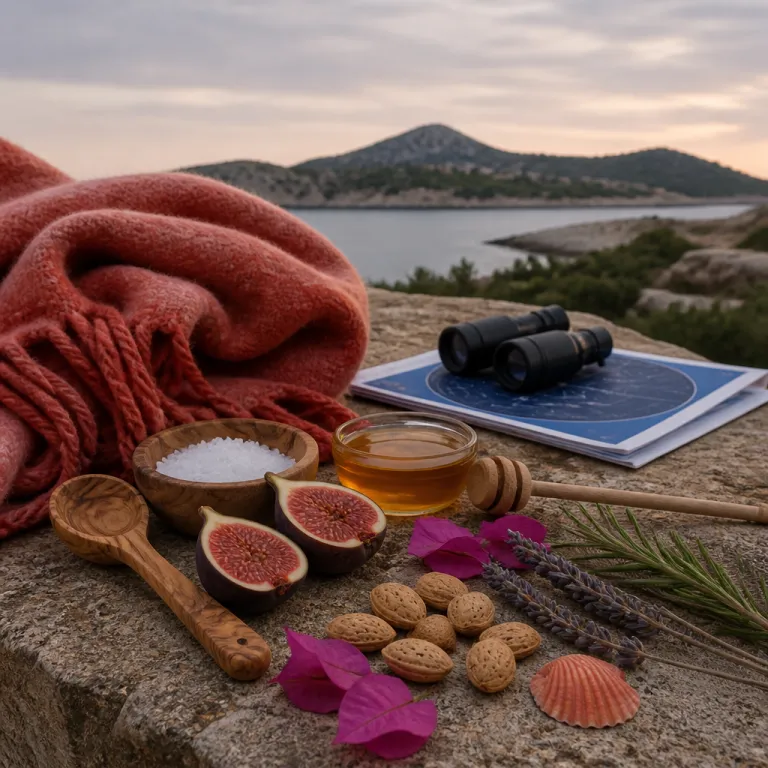
Why the Balearic Islands still have genuinely dark skies
Stargazing in the Balearic Islands begins with geography and restraint. Low rise villages, protected rural interiors and strict coastal zoning create pockets where the night sky still feels wild and the stars look close enough to touch. For a solo traveler used to city lights and constant glow, these islands offer an almost shocking return to darkness that becomes the real luxury.
On Mallorca, drive just 20 to 30 km inland from the coast and the skies open, with clear skies arching over almond groves and stone fincas that sit far from any pollution island effect. Menorca’s biosphere status keeps light pollution low, so the night sky above dry stone walls and quiet calas often shows dense constellations and a milky, starry sky. Formentera, with its flat profile and minimal city lights, can feel like a private observatory where you simply lie on warm rock and observe stars in near silence.
Astrotourism here is not about a formal national park or a famous astronomical observatory, but about choosing the right island corner and the right hotel. The stargazing Balearic Islands dark sky experience depends on how far you sleep from resort strips and how carefully a property shields outdoor light. When a luxury hotel offers dimmed pathways, shaded pools and terraces oriented to the sky, it quietly becomes one of the stargazing best destinations in the Mediterranean.
How to choose a luxury hotel that respects the night sky
For serious stargazing, the best hotel is not always the flashiest one. You want an island property that offers generous space between rooms, low level outdoor light and staff who understand why you ask about the night sky at check in. In the Balearic Islands, that usually means rural fincas, coastal retreats outside town and small design led addresses that treat darkness as an amenity.
Ask directly how the hotel manages light pollution and whether terraces or rooftop spaces are kept dim at night. A good property will explain which side of the island has the clearest skies, suggest the best time around the new moon and even provide blankets or night vision friendly torches for late walks. Some Mallorca estates pair slow dinners with informal astronomy chats, turning a simple lawn into an astronomical viewpoint where you can observe stars between courses.
For a solo explorer, the rhythm matters as much as the view of the sky. You might spend the day on a quiet train journey through the Serra de Tramuntana, using a guide such as this piece on the shoulder season weeks when the islands feel like yours again to time your trip for cooler evenings. Then you return to a hotel terrace where the stars rise slowly, the surrounding skies darken and the only offers that matter are a glass of local wine and a comfortable chair facing north.
Mallorca’s inland fincas and mountain roads as stargazing spots
Mallorca is the island where stargazing and slow luxury most easily overlap. Inland, between vineyards and olive groves, you find fincas that sit far from city lights yet close enough to the coast for a morning swim. These properties often occupy gentle hills that give a natural astronomical viewpoint over the night sky, with the Serra de Tramuntana forming a dark silhouette against the stars.
Drive the smaller mountain roads after sunset and you quickly feel how the skies change once you leave resort belts. Pull into a safe lay by, switch off the engine and let your eyes adjust with natural night vision while the starry sky brightens above the ridges. On clear skies nights, constellations and even some constellations planets stand out sharply, especially when the moon is slim and the air is dry.
Many travelers pair a day on the vintage Sóller railway with an inland stay, using guides such as this Mallorca by vintage train itinerary to understand how the valley channels both light and shadow. Choose a finca that offers late check out, a quiet pool and dinner under the sky, and you turn a simple rural night into an unforgettable experience. In these pockets of Mallorca, the stargazing Balearic Islands dark sky promise feels fully earned.
Menorca and Formentera: low light, high impact skies
Menorca rewards patience and a slower pace, which suits astronomy perfectly. The island’s protected status keeps development low, so light pollution remains modest away from Mahón and Ciutadella. That means the night sky above inland farmhouses and north coast calas often shows more stars than you expect from a Mediterranean destination.
Look for hotels that sit on long rural tracks or at the end of small roads, where the only nearby light comes from your own terrace. After dinner, you step a few metres into the dark, let your night vision settle and watch the skies fill with constellations while the sea stays almost invisible. On moonless nights, the Milky Way can appear as a pale band, turning a simple field into your private observatory and giving you a quiet, unforgettable experience without any formal astronomical observatory in sight.
Formentera offers a different kind of stargazing Balearic Islands dark sky moment, shaped by its flat profile and minimal city lights. Here, the best spot is often a low cliff or empty beach where the horizon is clean and the sea reflects a faint starry sky. Choose a hotel that offers bicycles, ride out after sunset and you will understand why these small islands can feel like some of the stargazing best destinations in southern Europe.
Planning your night: moon phases, seasons and realistic expectations
Good stargazing is rarely an accident, even on an island with dark skies. The best time is usually the week around the new moon, when the night sky is least washed out and the stars feel most numerous. Shoulder season months often bring clear skies, mild air and quieter hotels, which suits a solo traveler who wants silence more than scene.
Think of your hotel as a base camp for astronomy rather than the whole show. You might book a rural stay that offers simple guidance on constellations, then use a stargazing app to identify constellations planets while you lie back on a terrace. Some properties keep a small telescope on hand, turning a corner of the garden into an informal astronomical viewpoint that feels more personal than a crowded national park platform.
Comparisons with Tenerife, Teide National Park or the wider Canary Islands are inevitable, because those destinations are global references for dark skies. The Balearic Islands will never match a high altitude observatory or an institute of astrophysics campus, and they do not claim to, but they offer something different. Here, the starlight foundation of your trip is the balance between sea, stone and sky, where you enjoy a slow dinner, step outside and observe stars in a darkness that feels rare in Europe.
Hidden luxury: private terraces, night sailing and quiet astronomy rituals
The most memorable stargazing Balearic Islands dark sky moments often happen in small, private spaces. A terrace with a chaise longue, a rooftop with a low wall, a jetty at the edge of a cove can all become your personal observatory. What matters is that the hotel offers you access to darkness and trusts you to enjoy it without constant lighting.
Some high end properties arrange night sailing for guests, where the boat cuts away from the island and the skies deepen as city lights fade behind you. Out at sea, light pollution drops sharply and the starry sky reflects on the water, creating a layered effect that feels almost theatrical. With a simple red torch to protect your night vision and a guide who knows basic astronomy, you can pick out constellations and trace constellations planets as they rise over the horizon.
Back on land, the most refined luxury is often a hotel that quietly dims its own presence. When a property reduces unnecessary light, orients rooms away from glare and offers blankets instead of floodlit terraces, it aligns with the ethos promoted by organisations such as the Starlight Foundation. For a solo explorer, those choices turn a standard stay into an unforgettable experience where the real show begins after the last dessert plate is cleared and the night finally goes properly dark.
FAQ
Is stargazing in the Balearic Islands really worth planning a trip around ?
For travelers who value quiet, elemental experiences, stargazing in the Balearic Islands can absolutely anchor a trip. While the islands are not as dark as high altitude sites like Teide National Park in Tenerife, their rural interiors and low rise coasts still offer genuinely dark corners. Combine those skies with strong hotels and good food, and the overall experience becomes more than the sum of its parts.
Where are the best places to see a dark night sky in the Balearics ?
The best places usually sit away from resort strips and main roads. Inland Mallorca fincas, rural Menorca farmhouses and Formentera’s quieter northern and eastern coasts all offer lower light pollution and clearer skies. Look for properties several kilometres from major towns, ideally with open views and minimal external lighting.
Do I need special equipment for stargazing on the islands ?
You do not need a telescope to enjoy the night sky in the Balearic Islands. A reclining chair, a warm layer and a simple stargazing app are enough to identify major constellations and bright planets. If you are keen, a pair of binoculars with a wide field of view can dramatically deepen what you see.
When is the best time of year to plan a stargazing focused stay ?
Shoulder season months tend to offer the best balance of clear skies, comfortable temperatures and quieter hotels. Within any month, the best time is the week around the new moon, when moonlight does not wash out the stars. Check a lunar calendar before booking and aim for at least two or three nights of potential observing.
Can I combine stargazing with other activities on a short trip ?
Yes, stargazing pairs well with slow, land based days. Many travelers spend daylight hours hiking, cycling or exploring villages, then return to their hotel for a long dinner followed by time under the sky. Because the main activity happens after dark, you can fit meaningful astronomy into even a long weekend without feeling rushed.