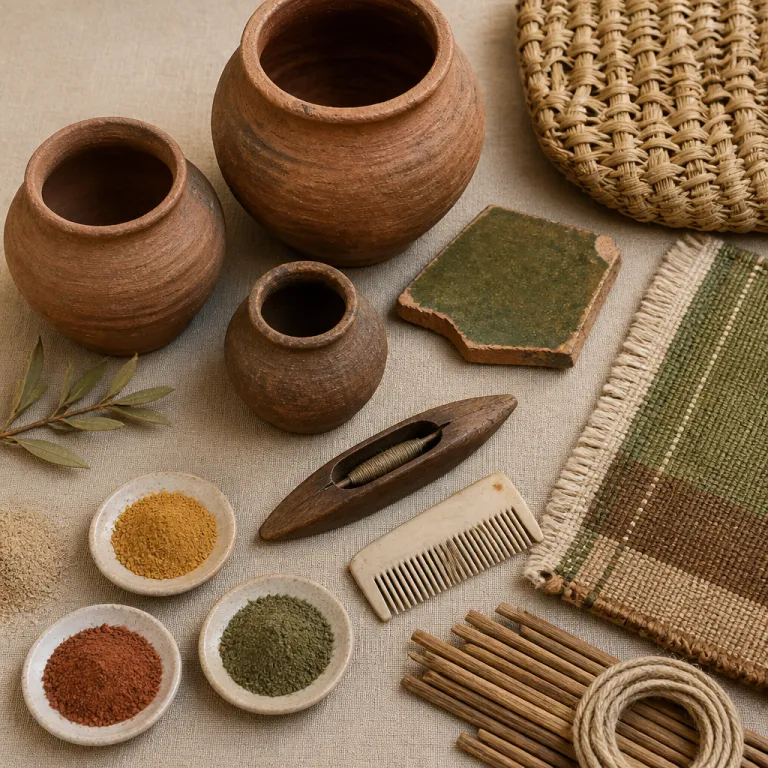
Why balearic islands artisan crafts workshops belong on a luxury itinerary
On the balearic islands, artisan crafts workshops are quietly reshaping what luxury travel means. For a solo explorer who values culture over clichés, the chance to learn directly from local artisans can feel more memorable than any pool cabana. This is where the illes Balears shift from backdrop to living studio, and where your hotel stay becomes a base for meeting makers rather than just booking another spa slot.
Across island Mallorca, Menorca, Ibiza and Formentera, a new generation of craftspeople is reviving tradition while speaking fluent slow tourism. They work with olive wood, palm leaves, glass and clay, creating high quality products that sit comfortably beside contemporary design in Palma town galleries and rural fincas. For travellers booking luxury or premium hotels, these workshops offer private access, quiet conversation in English Spanish, and a deeper understanding of local culture that no standard excursion will match.
Authenticity is the draw, but sustainability is the subtext that matters to discerning guests. When you visit a weaving workshop or ceramics studio near Palma Mallorca instead of a generic souvenir shop, your spending supports craftsmanship Mallorca rather than imported imitations. The balearic craft revival aligns with a wider shift in high end tourism, where travellers want to see how artificial pearls are strung, how basket weaving is taught, and how del Fang clay is shaped, then return to their hotel with stories of real people rather than just receipts.
Mallorca’s makers: from del Fang clay to island textiles
Mallorca is the island where the balearic islands artisan crafts workshops trend feels most established. In villages known collectively as the del Fang area, potters turn the local clay into tableware that quietly appears in refined hotel restaurants across the islands. A short drive from Palma town, you can move from one workshop to another, watching how each potter interprets the same material through a different lens of culture and function.
Textiles are the other pillar of craftsmanship Mallorca, especially the iconic roba de llengües, the flame patterned cloth that often dresses cushions and headboards in design forward hotels. Many local artisans still use traditional looms in small workshops on island Mallorca, and some will open their doors by appointment for travellers who want to learn how the pattern is dyed and woven. If you are planning indoor cultural days away from the beach, pairing a weaving workshop with a visit to Palma’s galleries makes an elegant alternative to sun loungers, and you can find more ideas for such indoor plans in this guide to what to do in Mallorca when the beach loses its appeal.
Glass is another quiet star of Mallorca’s craft scene, with furnaces near Palma Mallorca producing hand blown pieces that end up in high quality hotel suites and restaurants. Watching molten glass become carafes or lighting is a reminder that luxury objects start in very physical, very human workshops. For a solo traveller staying in a refined property, arranging a private visit through the concierge will often unlock behind the scenes access, and the best hotels clearly explain this in their privacy policy and guest experience materials.
Islands of craft: Menorca, Ibiza and Formentera beyond the clichés
While Mallorca often takes the spotlight, the other balearic islands offer their own artisan narratives that reward curiosity. Menorca is synonymous with avarca sandals and leather work, and many local workshops still cut and stitch by hand for both local and international clients. Booking a private fitting can be as much a part of your island experience as any yacht charter, especially if you value products that carry the mark of real craftsmanship.
Ibiza, better known in mainstream tourism for clubs, hides a quieter layer of art and craft in its inland villages. Here you will find basket weaving studios using palm leaves, ceramics rooted in island tradition, and small galleries where local artisans show work that sits somewhere between design and sculpture. If you are already planning a marine focused stay, pairing these visits with a day of underwater exploration works well, and this Ibiza diving calendar can help you balance studio time with time below the surface.
Formentera, the smallest of the main islands, leans into a slower rhythm that suits the solo explorer who collects makers, not souvenirs. Simple workshops scattered across the island produce ceramics, textiles and jewellery that reflect both the sea and the scrubland, often using recycled glass and natural fibres. Here, balearic islands artisan crafts workshops feel less like staged experiences and more like everyday life, and a conversation in English Spanish over a workbench can be as enriching as any formal tour.
Designing a maker led stay from your luxury hotel base
Planning a trip around balearic islands artisan crafts workshops starts with choosing the right hotel base. On Mallorca, properties in or near Palma town make it easy to reach both urban galleries and rural studios in a single day, while inland fincas place you closer to del Fang potters and olive wood carvers. Across the islands, the most thoughtful luxury hotels now curate lists of local artisans, often with suggested routes that pair a morning workshop visit with a long lunch by the sea.
For a solo traveller, the sweet spot is usually a mix of structured and spontaneous encounters with craftsmanship. You might book one private workshop to learn a specific skill, such as basket weaving with palm leaves or a short weaving workshop on island Mallorca, then leave space for unplanned stops at studios you pass on the road. Many makers are used to visitors who speak English Spanish, but arranging introductions through your hotel concierge will often lead to warmer welcomes and clearer expectations on timing and payment.
If you prefer a more curated approach, some properties now build art and craft into wellness focused stays, pairing yoga meditation sessions with visits to calm, light filled studios. This works particularly well for guests who see culture as part of their reset, not separate from it, and who want their tourism footprint to support local economies. For a sense of which hotels take this seriously across Mallorca, this guide to refined stays for luxury seekers across the island is a useful starting point when you plan where you will sleep between studio visits.
Buying well: authenticity, art and the legacy of joan miró
Knowing how to buy from balearic islands artisan crafts workshops is as important as knowing where to go. Genuine local products usually show small variations, a trace of the hand that made them, and makers are transparent about materials, whether they work with del Fang clay, olive wood or recycled glass. Mass produced imports, by contrast, tend to look identical, feel lighter and rarely come with a story that connects them to the island or to specific local culture.
In Palma, the legacy of Joan Miró and the presence of the Miró Mallorca Foundation have helped anchor a wider respect for art and craftsmanship. While Miró Mallorca is primarily about modern art, its influence has encouraged a generation of local artisans to treat their workshops as studios, not just production spaces, and to see their work as part of a broader cultural conversation. When you buy high quality ceramics, textiles or even artificial pearls that are made on the islands, you are participating in that conversation and helping ensure that craftsmanship Mallorca remains economically viable.
Ethical buying also means respecting the rhythm of the people you visit and the privacy policy of the hotels that connect you. Ask before taking photographs in any workshop, be clear about whether you are commissioning a piece or buying from existing stock, and remember that some artisans will need time to finish custom work before you leave the balearic islands. For a solo explorer, this slower pace is part of the reward, turning a simple purchase into an ongoing relationship with a place, a maker and a tradition that will outlast any single trip.
FAQ
Are balearic islands artisan crafts workshops suitable for solo travellers staying in luxury hotels ?
Yes, most balearic islands artisan crafts workshops welcome solo visitors, and many offer private sessions that can be arranged through luxury and premium hotel concierges. These experiences fit well between spa appointments or fine dining reservations, and they give solo travellers structured yet personal encounters with local artisans. You can usually communicate in English Spanish, and hotels will help coordinate timings so your cultural plans align smoothly with the rest of your stay.
How can I tell if a craft item is genuinely made in the balearic islands ?
Authentic products typically come with clear information about the maker, the workshop location and the materials used, whether that is del Fang clay, olive wood or hand blown glass. Buying directly from workshops or from reputable galleries in Palma town and other island centres is the safest way to support real craftsmanship. If an item looks identical to many others, feels very light or lacks any story about local culture, it is likely imported rather than made on the islands.
Do I need to book artisan workshops in advance from my hotel ?
Advance booking is strongly recommended, especially if you want a private workshop or a specific activity such as a weaving workshop or basket weaving with palm leaves. Many artisans balance production with teaching, so they limit the number of visitors they can host each day. Your hotel concierge will usually handle communication, confirm availability and ensure that any privacy policy or payment details are clear before you arrive.
Which island is best for a craft focused stay in the illes Balears ?
Mallorca offers the widest range of balearic islands artisan crafts workshops, from del Fang ceramics and glass to textiles and olive wood carving, all within easy reach of Palma Mallorca. Menorca excels in leatherwork and avarca sandals, while Ibiza and Formentera offer smaller but characterful scenes centred on ceramics, basketry and jewellery. The best choice depends on whether you prefer a dense network of studios near a city like Palma town or a slower, more rural rhythm on the smaller islands.
Can craft experiences be combined with wellness activities like yoga meditation ?
Many high end hotels across the balearic islands now design stays that blend culture and wellbeing, pairing yoga meditation sessions with visits to calm, light filled studios. This approach suits travellers who see creativity as part of their reset, not separate from it. A morning in a quiet workshop followed by an afternoon by the pool or in the spa can create a balanced rhythm that feels both restorative and culturally rich.