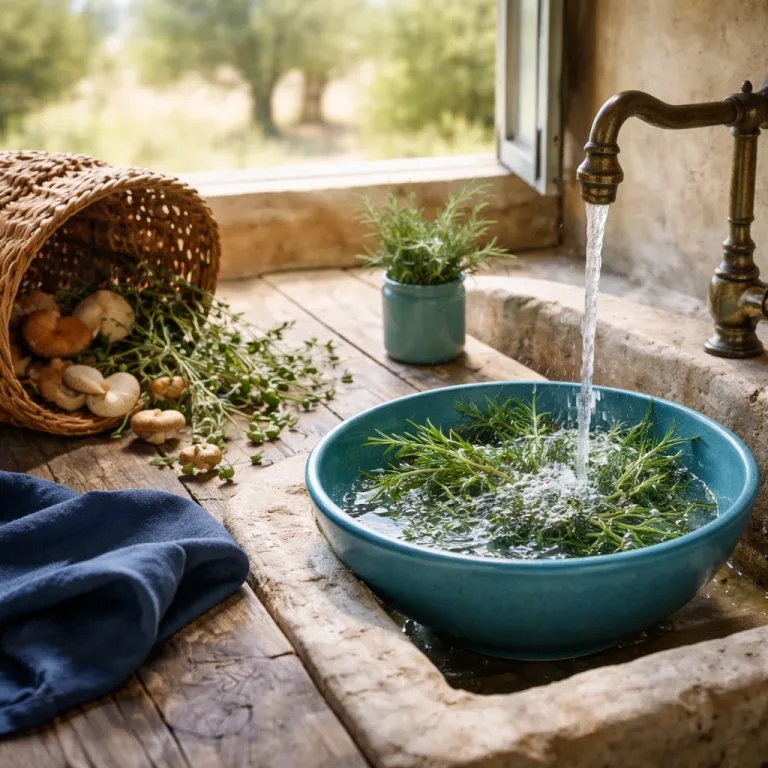
Farm to table dining in Mallorca as a luxury hotel experience
Farm to table dining in Mallorca has shifted from passing trend to quiet standard in many of the island’s most interesting luxury hotels. On this Mediterranean island, the most memorable dining experience often happens not in a city restaurant but at a long table beside a stone farmhouse, where the farm will shape the evening’s menu and even the pace of time. For couples who book premium stays in the Balearic Islands, this is barefoot luxury in its purest form, with local seasonal ingredients grown metres from your glass of Manto Negro or Prensal Blanc.
Across Mallorca, only a minority of restaurants have fully embraced a rigorous farm experience, yet their influence on luxury dining is disproportionate. Industry observers estimate that roughly one in six Mallorcan restaurants now follows some form of structured farm to table practice, and their chefs treat every Mallorca farm as both pantry and landscape. For travellers choosing where to book, that means the right hotel will connect you directly to a working farm, a kitchen garden and a culinary team that understands the island’s heritage beyond the beach club circuit.
At properties aligned with this movement, the dining room becomes a lens on the island rather than a stage for performance. You might sit at a farm table under an orange tree, tasting olive oil with DOP Oli de Mallorca status while the sea breeze drifts up from the coast. This kind of table dining is intimate and grounded, and people who value authenticity over spectacle will find that the flavours of local seasonal produce tell a more compelling story than any elaborate fine dining choreography.
From Palma to the interior: where luxury meets the mallorca farm
Leave the marina lights of Palma behind and within about 30 minutes by car you reach a different Mallorca, where stone fincas and vineyards frame the horizon. Here, farm to table dining in Mallorca becomes a fully immersive dining experience, with hotels and independent projects in towns such as Inca hosting communal evenings that pair seasonal produce with long conversations. Their events use long tables, shared plates and local ingredients, and they show how a farm experience can feel both refined and relaxed for people used to urban luxury.
In the central town of Inca, organisers of farm table style events often host outdoor dinners that start with a welcome drink and a short talk on sustainability before guests sit down to a multi course menu. Typical descriptions of the concept emphasise “dining that highlights locally sourced, seasonal ingredients directly from producers” and clear guidance such as “How can I book a farm-to-table experience in Mallorca? Visit the organiser’s website or contact them directly for reservations” and “Are farm-to-table events suitable for vegetarians? Yes, menus often feature vegetarian options using seasonal produce.” For couples staying in nearby luxury hotels, this is an easy evening excursion that complements a day by the sea with a grounded connection to the island’s interior farms.
On the outskirts of villages like Santa Maria del Camí, rural restaurants offer another angle on farm to table dining in Mallorca, with menus that change according to what the surrounding Mallorca farm plots yield each week. Here, a simple wooden table under vines becomes the setting for luxury dining built on grilled vegetables, local lamb and olive oil pressed within a short drive, a distance often cited as the ideal radius for these restaurants. If you are planning a trip around gastronomy, consider pairing such rural dinners with coastal events like the bluefin tuna and local wine focused festival described in the Sabors de la Badia local wine and seafood guide, which shows how the Balearic Islands link sea and soil on the same plate.
Hotel Corazón and the rise of barefoot luxury on the island
One rural boutique property often cited in conversations about this movement is Hotel Corazón, set in Mallorca’s agricultural heartland, which has become a reference point for travellers who want farm to table dining in Mallorca woven into every part of their stay. The property’s on site garden supplies much of the kitchen’s ingredients, so the menu will shift subtly from day to day as the farm yields new herbs, tomatoes or citrus. This creates a dining experience where people feel the island’s rhythms in real time, from the first olive oil drizzle at lunch to the final glass of local wine at dinner.
The atmosphere here defines barefoot luxury; you might walk from pool to table still barefoot, brushing past an orange tree heavy with fruit before sitting down to a farm table set with linen and hand thrown ceramics. Couples who book this kind of stay are not chasing overt fine dining theatrics, but they still expect luxury dining standards in service, wine pairings and culinary technique. The result is a hybrid style where a simple grilled fish from the nearby sea, dressed only with Oli de Mallorca and lemon, can feel as indulgent as a tasting menu in a city restaurant.
For travellers combining islands, it is worth contrasting this rural Mallorca farm focus with Menorca’s cheese caves and coastal tables, outlined in the trail through Menorca’s cheese caves and cellars. On Mallorca, the farm experience centres more on vineyards, olive groves and citrus, while Menorca leans into dairy heritage and windswept sea facing pastures. Both islands sit within the Balearic Islands archipelago, yet the flavours, textures and table dining rituals differ enough that a multi island trip becomes a layered culinary journey rather than a repetition.
Seasonal menus, local wine and the architecture of flavour
Understanding farm to table dining in Mallorca means paying attention to the calendar, because the menu book in a serious farm restaurant reads like a seasonal diary. In spring, you will see tender peas, artichokes and wild herbs from the surrounding Mallorca farm terraces, while summer brings tomatoes, figs and the kind of ripe orange tree fruit that defines breakfast. By autumn, the focus shifts to mushrooms, game and robust olive oil, and the dining experience becomes deeper, with flavours that echo the island’s stone and soil.
Wine pairings are another quiet marker of luxury dining in the Balearic Islands, especially when hotels work with bodegas specialising in indigenous varieties such as Manto Negro and Prensal Blanc. A good sommelier will explain how these grapes reflect the same local seasonal conditions that shape the farm’s vegetables, creating a coherent culinary narrative from glass to plate. For couples planning a trip, it is worth asking whether your chosen hotel can arrange visits to nearby bodegas, because tasting at the source adds a layer of context that no restaurant alone can provide.
Some travellers arrive with reference points from London or other capitals, perhaps knowing chefs like Vivek Singh of The Cinnamon Club, whose approach to spice and regionality has influenced how many people think about modern fine dining. While you will not find a Cinnamon Club outpost on the island, the best farm to table dining in Mallorca shares that same respect for heritage and terroir, just expressed through olive oil, almonds and sea salt instead of garam masala. When you book a rural stay, look for language about farm experience, local seasonal sourcing and small scale production, because those details usually signal a kitchen that takes flavour architecture as seriously as any big city restaurant.
How to choose and book the right farm focused luxury stay
Selecting a hotel for farm to table dining in Mallorca starts with reading beyond the marketing adjectives and into the practical details. A property that genuinely integrates a Mallorca farm into its operations will mention on site gardens, named local suppliers and specific seasonal produce rather than vague references to freshness. When you contact the hotel to book, ask direct questions about their farm experience, such as how far their main ingredients travel and whether guests can visit the fields, vineyards or olive groves.
Price is another useful indicator, though not in the way you might expect, because a higher rate does not automatically guarantee better table dining. Casual lunches at rural restaurants often cost between €12 and €18, while mid range dinners sit around €25 to €40 and fine dining tasting menus can reach €50 to €100 or more per person. The key difference in a true farm to table setting is that these prices reflect labour intensive cultivation and small scale production, so you are paying for time, care and heritage rather than just presentation.
For travellers who value slow travel, properties like the new slow luxury focused hotel highlighted in this Gran Hotel Margalida slow luxury feature show how the Balearic Islands are rethinking what luxury means. Instead of emphasising only spa menus and sea views, these hotels frame barefoot luxury around quiet mornings in the garden, olive oil tastings at a long farm table and unhurried dinners where people linger long after dessert. When you plan your itinerary, leave space for such evenings, because the most memorable dining experience often happens when nothing is scheduled except the next shared plate.
Beyond the plate: corporate, private and cross cultural influences
Farm to table dining in Mallorca is no longer limited to couples on holiday; it is increasingly shaping corporate private events and small celebrations hosted at rural hotels. A growing number of properties now offer farm experience packages for intimate weddings, board retreats or creative workshops, where the farm will provide both the setting and the ingredients for every meal. This shift reflects a broader movement in the Balearic Islands, where people want their time on the island to feel grounded in place rather than detached from it.
International culinary influences also filter into this landscape, often in subtle ways that respect the local seasonal context. Chefs who have staged in global kitchens, including those inspired by figures such as Vivek Singh, bring techniques and spice sensibilities back to the Mallorca farm table, but they apply them to Spain farm products like almonds, citrus and heritage pork. The result is a style of luxury dining where a simple plate of grilled vegetables can carry distant echoes of The Cinnamon Club while still tasting unmistakably of this island.
As you plan your trip, remember that the most reliable recommendations for farm to table dining in Mallorca often come not from online rankings but from locals who know which restaurant quietly serves the best olive oil soaked bread or the most balanced sea bream. Ask your hotel concierge where they would take visiting friends for table dining on their own time, and listen closely to which farms and villages they mention. In a region where only a fraction of restaurants follow strict farm to table principles, those insider tips will help you find the places where barefoot luxury, landscape and flavour truly meet.
Key figures on farm to table dining in Mallorca
- Industry estimates suggest that around 15 % of restaurants in Mallorca follow some form of structured farm to table practice, indicating that this remains a niche but influential segment of the island’s dining scene rather than a universal standard.
- Many rural restaurants aim to source most ingredients from within roughly 10 km of their kitchen, significantly reducing food miles compared with conventional supply chains and deepening the connection between farm and table.
- Typical price ranges for meals linked to farm to table dining in Mallorca run from about €12 to €18 for casual lunches, €25 to €40 for mid range dinners and €50 to €100 or more for fine dining tasting menus, placing these experiences firmly in the premium bracket for the Balearic Islands.
- Farm to table events organised in the island’s interior usually last around four hours, with a structure that includes welcome drinks, an introduction to sustainability, a multi course sit down meal and coffee or dessert, creating an extended dining experience rather than a quick restaurant visit.
FAQ about farm to table dining in Mallorca’s luxury hotels
What exactly is farm to table dining in Mallorca’s hotel context ?
In Mallorcan luxury hotels, farm to table dining means that most ingredients come directly from on site gardens or nearby farms, usually within a short radius of the property. Kitchens build their menus around what the land and sea provide at that moment, rather than importing out of season produce. This approach creates a dining experience that reflects the island’s climate, soil and culinary heritage in real time.
How can I book a farm focused dining experience during my stay ?
The most reliable method is to contact your hotel directly and ask whether they host regular farm dinners or partner with organisers of communal farm table events in the interior. Many properties can reserve places at long table evenings or arrange private meals on the farm for couples and small groups. Because these nights are popular and capacity is limited, it is wise to book at least several weeks in advance, especially in peak season.
Are farm to table events in Mallorca suitable for vegetarians and vegans ?
Yes, most serious farm to table projects in Mallorca design their menus around vegetables, grains and legumes, with meat or fish as optional additions rather than the default centrepiece. Organisers of farm dinners often state that their seasonal produce based menus can accommodate vegetarians, and many hotels will adapt dishes for vegans if informed ahead of time. When you book, specify your dietary needs so the kitchen can plan the menu accordingly.
How much should I budget for a farm to table dinner from a luxury hotel ?
For guests staying in premium properties, a shared farm to table dinner typically costs between €50 and €100 per person, depending on the number of courses and whether wine pairings are included. Independent rural restaurants may offer simpler menus from around €25 to €40, while casual daytime meals on farms can be even more accessible. Remember that these prices reflect small scale agriculture, labour and high quality olive oil and wine, not just the restaurant setting.
Is it better to stay on the coast or inland for these experiences ?
Coastal hotels near Palma and the bays offer easy access to the sea and lively restaurant scenes, but inland fincas and rural properties place you closer to the farms that supply the best farm to table dining in Mallorca. Many travellers choose a split stay, spending a few nights by the sea and a few in the interior or Tramuntana foothills to balance beach time with immersive farm experiences. This combination lets you enjoy both fresh seafood and deeply rooted land based cuisine within a single trip.