Palma cultural itinerary galleries for design minded couples
Palma rewards couples who slow their pace and treat the city as a living art museum. This Palma cultural itinerary for galleries, patios and studios turns a simple walk into a curated journey through centuries of architecture and contemporary art. You move between each art gallery and royal palace on foot or by bus, with enough time to return to your hotel for a sunset drink above the bay.
The old town of Palma de Mallorca is compact, so you can cross the historic centre in under thirty minutes. That short distance holds layers of cultural history from the Arab Baths to the Gothic cathedral of Santa Maria and the Renaissance era royal palace of La Almudaina, each century leaving its own stone and light. For luxury travelers, the real pleasure lies in stitching these cultural landmarks together with modern art spaces, then returning to a refined hotel in Palma that understands why you came for art rather than only for the beach.
Couples booking premium stays in the Balearic Islands often compare Palma with Ibiza or rural Mallorca, weighing beach access against cultural depth. Palma excels when you want a town where an art museum sits minutes from a marina, and where contemporary art galleries share streets with traditional cafés and a beautiful royal palace. Use Google Maps to trace this Palma art and gallery route in advance, then adjust your time according to exhibitions, restaurant reservations and the rhythm of your own visit.
Morning above the bay: Es Baluard and Palma’s waterfront art axis
Begin your day at Es Baluard Museu d’Art Contemporani de Palma, the city’s flagship art museum built into the old bastions that once guarded the harbour. From the terraces you read Palma as a cultural map, with the cathedral of Santa Maria, the royal palace of La Almudaina and Castell de Bellver all visible across the bay. The contrast between the contemporary art inside and the centuries old walls outside sets the tone for a Palma cultural itinerary that always balances modern art with deep history.
Es Baluard focuses on contemporary art from the Balearic Islands and the wider Mediterranean, so you will often see works by Joan Miró alongside younger artists from Mallorca and beyond. As a guide, the museum usually opens Tuesday to Saturday from 10:00 to 20:00 and Sundays until mid afternoon, with general admission around €10 and reduced tickets available. Use the gallery maps or audio guides to structure your time, then step back onto the ramparts to watch the light shift over the marina and the beach curve beyond the town.
From Es Baluard you can walk ten minutes into central Palma, passing cafés where locals linger and shops that still serve residents rather than only cruise passengers. Couples who want to combine this cultural morning with refined coastal time can plan a later day trip to quieter southwest beaches such as Illetes or Portals Nous for a more secluded escape. For now, stay focused on the art galleries and museums that give Palma its particular cultural density, and keep your schedule flexible enough to pause whenever a side street or courtyard catches your eye.
Midday with Miró: studios, foundations and hillside perspectives
Late morning, leave the old town by bus or taxi for Fundació Pilar i Joan Miró a Mallorca, the hillside complex where Joan Miró spent his final decades. This foundation preserves Miró’s studios exactly as he left them, with brushes, canvases and sculptures arranged in a way that makes his presence almost physical. The building by Rafael Moneo is a beautiful example of modern architecture in the Balearic Islands, framing the sea and town below like a series of evolving paintings.
The foundation team notes that there is a general admission fee, typically around €10 with reduced prices for certain visitors; current ticket information is always listed on the official site. That straightforward guidance helps you plan your time and budget, especially if you are pairing the visit with a long lunch at a nearby restaurant or a return to your luxury hotel for a poolside break. Many couples choose to book a refined villa or design forward hotel in the hills above Palma so they can reach this art museum quickly, then retreat to quiet terraces when the town heats up.
As you move between the original stone studio and the later white concrete spaces, you see how Miró’s art absorbed the light and colours of Mallorca and the wider Balearic Islands. One curator once described the studios as “a conversation between the island and the artist that never really ended,” and it is easy to feel that dialogue in the paint-splashed floors and pinned sketches. The works here connect naturally with the contemporary art you saw at Es Baluard, creating a thread that runs through your whole day of gallery visits in Palma. Before heading back to the centre, stop at the café, check Google for EMT bus line 46 or 4 towards town, and consider how this intimate contact with an artist’s working world changes the way you look at every gallery that follows.
Afternoon patios, galleries and Santa Catalina’s emerging scene
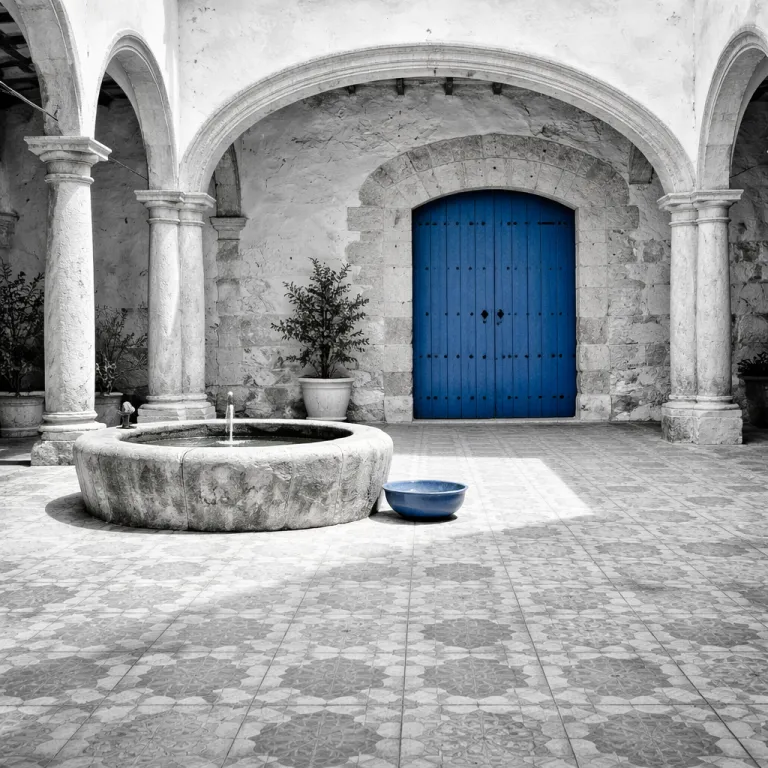
Return to the old town for a walking loop that blends hidden courtyards, historic façades and serious art galleries. Palma’s patios are private worlds behind heavy wooden doors, many dating from the fifteenth to eighteenth century when merchant families shaped the town’s fortunes. During certain religious festivals more of these courtyards open, but even when closed you still sense the cultural weight of centuries in every carved stone staircase and iron balcony.
From the cathedral of Santa Maria and the royal palace of La Almudaina, wander towards Plaça Major and the modernist façade of Can Forteza Rey, whose beautiful tiles and ironwork show another layer of Palma design history. Nearby, Galería Pelaires and Gerhardt Braun Gallery anchor a network of art galleries that have turned this part of central Palma into a serious contemporary art district. Guided tours at Galería Pelaires are available by prior arrangement, and the gallery provides up to date contact details on its official channels for visitors who want a deeper introduction to the artists on show.
Later, cross towards Santa Catalina, the former fishermen’s quarter that now mixes market life, restaurants and a growing number of contemporary art spaces. Here, an art gallery might sit above a traditional shop, and curated street art in nearby Sa Gerreria adds another contemporary layer to your Palma cultural route. One moment you may be studying a minimalist canvas in a white cube space; a few minutes later you are sharing a plate of olives at a bar while discussing a favourite piece from the afternoon. Couples who prefer residential calm over the bustle of the old town often choose elegant villas or apartments in these neighbourhoods, gaining quick access to both cultural highlights and the waterfront promenade.
Evening light: Sa Gerreria, Arab Baths and coastal extensions
As the heat softens, head into Sa Gerreria, where narrow streets host a mix of small bars, design studios and walls marked by curated street art. This quarter shows how Palma’s cultural life extends beyond formal art museum spaces into everyday town textures, with contemporary installations appearing beside centuries old stone. Couples who enjoy photography will find this part of Palma especially beautiful in the late afternoon, when shadows carve graphic lines across façades.
From here, loop back towards the Arab Baths, one of the few surviving traces of Islamic Palma, and feel how the city’s cultural story stretches across each century. A short walk brings you again within sight of the cathedral and the royal palace, where the silhouettes of Santa Maria and La Almudaina glow above the bay as the beach and marina lights come on. If you still have time and energy, you can reach the wooded hill of Castell de Bellver by bus or taxi, gaining a circular view that places the whole day’s cultural route through galleries, museums and monuments into a single panorama.
Many luxury travelers pair a cultural stay in Palma with a few nights elsewhere in the Balearic Islands, using the capital as a gateway to quieter coves or even to refined Ibiza vacation rentals for a Mediterranean escape on a different island. Whether you remain in your Palma hotel or continue across the archipelago, this day of art galleries, museums and patios will have shifted how you read every palace, shop and harbour you encounter. The city proves that a cultural itinerary can be as romantic as any beach, especially when curated with the same care you bring to choosing a premium room key.
Practical notes for luxury stays and cultural logistics
For couples booking premium hotels in Palma, location shapes how easily you can follow this cultural route. Properties near the historic centre or the waterfront place you within walking distance of Es Baluard, the cathedral, the royal palace and several leading art galleries. Hillside hotels and villas above town offer quieter nights and faster access to Fundació Miró, but you will rely more on taxi or bus connections.
Public transport in Palma is efficient, with regular EMT bus services linking the town centre to Miró’s foundation, Castell de Bellver and the beach districts. Exact routes, stops and bus lines are updated frequently, so consult current information from the local transport authority or mapping apps when planning how to reach specific galleries such as Gerhardt Braun Gallery. Use Google to check current timetables, but keep in mind that walking between most cultural sites inside the old town rarely takes more than fifteen minutes.
When planning your Palma cultural itinerary focused on galleries and historic sites, check opening hours for each museum and art gallery, as some close on Mondays or during midday. Wear comfortable shoes for the cobbled streets, and book restaurant tables in advance if you want specific views of the cathedral or the bay of Palma. Above all, allow enough time between each art museum, palace and gallery to sit in a café, watch the town move and let the cultural layers of the Balearic Islands settle into your own shared memory.
FAQ
How long do I need for a Palma cultural itinerary focused on galleries ?
A full day is enough to visit Es Baluard, Fundació Miró, at least two central art galleries and several historic sites in the old town. Couples who enjoy slower travel often stretch this Palma art and design route over two days, adding time for patios, Sa Gerreria and Santa Catalina. If you also want beach time or excursions to other parts of Mallorca, plan at least three nights in Palma.
Do I need to book tickets in advance for Es Baluard and Fundació Miró ?
Advance tickets are recommended for both Es Baluard and Fundació Pilar i Joan Miró a Mallorca, especially during weekends and holiday periods. Online booking secures your preferred time slot and reduces waiting at the museum entrance. Check each institution’s website shortly before your visit, as opening hours, ticket prices and temporary exhibitions can change.
Are guided art tours available in Palma’s galleries ?
Several independent guides and cultural institutions offer private or small group tours that link museums, galleries and historic sites. Galería Pelaires provides guided visits by appointment, which can be useful if you want deeper context on contemporary art in Palma. Many luxury hotels can also arrange bespoke itineraries with local experts who understand both the art scene and premium hospitality expectations.
Is Palma a good base for exploring culture across the Balearic Islands ?
Palma is the main cultural hub of the Balearic Islands, with the highest concentration of museums, galleries and historic architecture. From here, ferries and short flights connect you to Ibiza, Menorca and Formentera, where you can combine rural stays, beach time and smaller local art scenes. Using Palma as your arrival and departure point allows you to enjoy both urban culture and quieter island experiences within a single trip.
Which neighbourhoods are best for art focused luxury stays in Palma ?
For couples prioritising art and architecture, the old town around the cathedral and Es Baluard offers immediate access to major museums and galleries. Santa Catalina and the areas near the seafront provide a more residential feel, with emerging art spaces, good restaurants and easy walks to the centre. Hillside districts above town suit guests who prefer views, privacy and quick access by taxi to Fundació Miró and Castell de Bellver.