Lázaro Rosa-Violán and the new language of Balearic luxury hotels
Lázaro Rosa-Violán has become one of the quiet architects of how contemporary luxury hotels feel across the Balearic Islands. His work sits at the intersection of interior design, narrative-driven space planning and Mediterranean ease, which makes any search for a Lázaro Rosa Violán hotel in Ibiza less about a keyword and more about a design manifesto. For travelers choosing a hotel in Ibiza, Mallorca or Menorca, understanding this Spanish designer helps explain why some rooms feel instantly like home while others never quite land.
Rosa Violán is a Spanish interior designer known for blending classical and contemporary styles, and that duality is exactly what you sense when you walk into his hotels. He moves comfortably between grand, almost neo-colonial gestures and relaxed island textures, so the same designer can handle a luxury hotel lobby in Palma and a laid-back restaurant terrace in Ibiza without repeating himself. Across the islands, his interiors give guests a coherent architecture lifestyle experience, where the building, the art and the service choreography speak the same language.
Over more than three decades, Lázaro Rosa has completed numerous projects, including landmark hospitality spaces in Ibiza and Mallorca.[1] His Barcelona-based studio works closely with local artisans and hotel group partners, using design, art and custom furniture to make each site feel rooted in its specific cala or old town street. As the studio notes in its own portfolio, the goal is to create “spaces that feel lived in from day one,” an approach that treats the hotel as a tribute Mediterranean narrative rather than a generic backdrop for sun seekers.
The Site Ibiza and Playa d'en Bossa: scaling character to 461 rooms
The Site Ibiza, sometimes referenced in connection with the Bless name in trade press, is where the Lázaro Rosa Violán hotel story moves into large-scale territory. This sizeable hotel in Playa d'en Bossa tests how far a single interior designer can stretch character across a substantial inventory of rooms without losing intimacy.[2] For guests browsing hotels in this part of Ibiza, the project signals that high capacity no longer has to mean anonymous corridors and forgettable interiors.
The property sits on one of the island’s most energetic strips, yet the interior design concept by architect Lázaro Rosa-Violán aims to buffer that intensity rather than amplify it. Public space is handled as a sequence of thresholds, so you move from a bright, beach-facing lobby into quieter lounges and finally into rooms that feel like private apartments. This is where the designer’s experience with both design hotel projects and classic luxury hotel properties becomes visible, because he understands how to calibrate noise, light and material from restaurant to suite.
In practical terms, that means guests can enjoy the Playa d'en Bossa scene and then retreat to a hotel Ibiza room that feels composed, not chaotic. The Site Ibiza uses a palette that nods to the wider Bless Collection Hotels aesthetic reported in brand communications, yet the details are tuned to the island, from woven textures that echo local crafts to design art pieces that reference Balearic sea light. For travelers comparing different hotels under the same hotel group umbrella, this balance between brand consistency and local identity is exactly what makes a stay feel specific rather than interchangeable.
Material palettes and Mediterranean light: how Rosa-Violán works the islands
Across the Balearic Islands, Lázaro Rosa Violán’s hotel interiors share a quiet obsession with materials that age well under salt and sun. Lázaro Rosa leans on local stone, terracotta and sabina wood references, using them to ground contemporary lines in something older and more tactile. The result is an interior that feels both fresh and familiar, which is what many business-leisure travelers want when they extend a work trip into a long weekend.
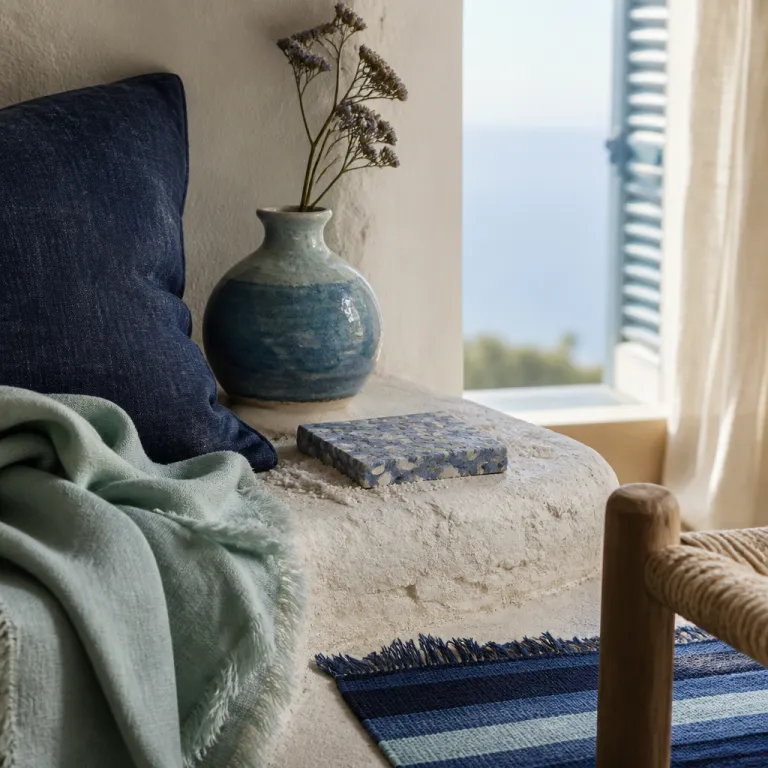
In Ibiza, you see this clearly in how the designer handles transitional space between lobby, restaurant and pool deck. Floors might shift from cool stone to warm timber, while walls carry a mix of whitewashed plaster and textured surfaces that catch the afternoon light. These moves are not just aesthetic design choices; they are part of a broader architecture lifestyle approach that treats circulation routes as part of the guest experience, not just the gaps between rooms.
Rosa Violán’s Balearic work often includes curated art that references maritime charts, vernacular fishing gear or abstracted sea forms. This design art strategy allows a luxury hotel to speak about its specific coastline without resorting to clichés or overused photographs. For travelers comparing hotels and rooms online, those details rarely show up in booking engine thumbnails, yet they define how it feels to wake up, open the curtains and understand exactly which island you are on.
From Parador de Eivissa-Dalt Vila to neo colonial echoes
While the idea of a Lázaro Rosa Violán hotel in Ibiza often conjures images of Playa d'en Bossa, his island story also runs through the historic heights of Dalt Vila. At the Parador de Eivissa Dalt Vila, his work is frequently described as engaging with neo-colonial influences that sit comfortably within the old fortress walls.[3] Here, the challenge is not to compete with the architecture but to stage it, allowing guests to feel the weight of history without sacrificing contemporary comfort.
In these rooms, you might find high ceilings, tall shutters and a restrained color palette that lets stone and timber do most of the talking. The interior design language is quieter than at a beachside design hotel, yet the same Spanish designer fingerprints are present in the way furniture is scaled and grouped. Public space is arranged to frame views over the harbor, turning every lounge chair into a front-row seat on the island’s daily theatre of arrivals and departures.
Properties located heart of historic districts, such as those near the former convent of Sa Residència or the area around the old Del Canonigo and Torre del bastions, benefit from this sensitivity. Guests staying in a hotel Ibiza address up here are usually less interested in DJ lineups and more focused on layered architecture and walkable streets. For them, a luxury hotel that has been shaped by Lázaro Rosa-Violán with a tribute Mediterranean mindset offers a different kind of nightlife, one measured in quiet courtyards and long dinners rather than decibels.
Balancing brand, collection hotels and island identity
For international travelers, one of the key questions behind any Lázaro Rosa Violán interior design project in Ibiza is how a global brand meets a local shoreline. Hotel group strategies often rely on recognizable design signatures, yet the Balearic Islands punish anything that feels imported or tone-deaf. Rosa Violán’s work with collection hotels and labels such as Bless Collection shows how a designer can respect brand codes while still letting each site breathe its own air.
Take a luxury hotel aligned with a lifestyle brand that operates across Spain and beyond. The brief might specify certain room layouts, amenity standards and even a preferred color story, but the Spanish designer will tune those elements to the island’s light, climate and cultural references. That is why two hotels under the same brand can feel related yet distinct, with one leaning into urban glamour and another into a softer tribute Mediterranean mood.
For guests, this balance plays out in the details they actually touch, from the weight of a door handle to the way a restaurant terrace frames the sunset. When you book a design hotel in Ibiza that lists Lázaro Rosa-Violán as interior designer, you are buying into a promise that the interior will not fight the landscape. It is the difference between a lobby that could be anywhere and a space that tells you, before you even check in, that you have arrived on a specific island with its own rhythm and rituals.
Rosa-Violán and Moredesign: two readings of Balearic space
To understand the current Balearic design moment, it helps to place Lázaro Rosa Violán’s hotel interiors alongside the work of Moredesign. Both studios are reshaping how hotels and villas think about space, yet they approach the islands from different angles. Rosa Violán often works at scale with a hotel group or international brand, while Moredesign tends to focus on highly crafted residential and smaller hospitality projects.
In a Rosa Violán luxury hotel, you feel the choreography of large numbers of guests moving through lobbies, corridors and restaurants. Space is organized to handle arrivals, luggage, events and breakfast rushes without losing a sense of calm, which is a particular skill when you are dealing with hundreds of rooms. Moredesign, by contrast, often treats space as a sequence of intimate moments, where a single bench under a fig tree might be as important as a living room.
For travelers choosing between hotels and private stays, this comparison matters. If you want the energy and service infrastructure of a full-service hotel Ibiza property, a design hotel by Lázaro Rosa-Violán within a larger brand or collection hotels portfolio will likely suit you. If you are chasing a slower, almost monastic rhythm, a Moredesign project or a converted finca might align better with your architecture lifestyle preferences, especially if your days revolve more around reading and long lunches than meetings and flights.
What this design investment means for Balearic travelers
The rise of Lázaro Rosa Violán commissions in Ibiza and Mallorca signals a broader shift in how the Balearic Islands see their hospitality future. Investment is moving beyond square metres and sea views into serious conversations about design, art and long-term guest experience. For business-leisure travelers, that means you can now expect a higher baseline of interior quality even in larger hotels that once felt purely functional.
Hotel groups such as Palladium Hotel Group and other international operators are increasingly aware that a strong Spanish designer partnership can differentiate a property in a crowded market.[4] When a luxury hotel is associated with Lázaro Rosa-Violán’s studio, it sends a message that the brand is willing to engage with local culture rather than simply roll out a standard template. That engagement shows up in everything from the way a restaurant sources ceramics to how a lobby references nearby architecture like Del Canonigo or Torre del bastions in its artwork.
For travelers planning a stay, it is worth reading beyond the headline amenities and looking at who signed the interior design. A hotel Ibiza address that credits architect Lázaro Rosa-Violán or another respected island designer is more likely to offer a coherent, thoughtful environment that supports both work and rest. As you compare hotels across Ibiza, Mallorca and Menorca, treat design as part of the value equation, not an afterthought, because the right interior can turn a necessary overnight into a stay you remember long after the boarding pass has vanished.
Key figures shaping Balearic interior design
- Lázaro Rosa-Violán has more than 30 years of experience in interior design, which gives his Balearic hotel projects a depth of practice that newer studios cannot easily match.[1]
- His studio has completed dozens of projects across hospitality and other sectors, meaning that each new hotel benefits from a tested toolkit of materials, layouts and guest flow strategies.[1]
- The Site Ibiza project brings a large number of rooms under a single design vision, illustrating how sizeable hotels in Playa d'en Bossa are now investing in character rather than relying solely on location.[2]
- Across the Balearic Islands, the shift toward design-led hotels aligns with a broader Spanish tourism trend in which higher-spending guests increasingly prioritize architecture, art and interior quality over sheer room count.[4]
FAQ about Lázaro Rosa-Violán and Balearic hotel design
Who is Lázaro Rosa-Violán and why does he matter in the Balearics?
Lázaro Rosa-Violán is a Spanish interior designer known for blending classical and contemporary styles. In the Balearic Islands, his work on luxury hotel interiors in Ibiza and Mallorca has helped raise expectations around what a design hotel should feel like, especially for travelers who value architecture, art and atmosphere as much as location.
What is his design philosophy in island hotels?
His design philosophy focuses on creating accessible, immersive environments that tell a story. In Balearic hotels, that translates into interiors that use local materials, layered lighting and curated art to create a narrative about each site, whether it is a historic property in Dalt Vila or a contemporary resort on Playa d'en Bossa.
Where has he worked in the Balearic Islands?
Notable work includes venues in Ibiza and Mallorca, ranging from large-scale properties such as The Site Ibiza to more intimate spaces where his interior design approach engages with neo-colonial architecture and historic urban fabric. Specific projects and dates are typically listed in the portfolio of his Barcelona-based studio.[1]
How can travelers identify a Rosa-Violán designed hotel when booking?
When researching hotels, look for mentions of Lázaro Rosa-Violán or his studio in the property description, especially under sections about design or renovation. Many luxury hotel brands now highlight the Spanish designer by name, because his involvement signals a certain level of attention to interior detail and guest experience.
Why should business leisure travelers care about hotel interior design?
For business-leisure guests, interior design directly affects how well a hotel supports both work and rest, from desk lighting to acoustic privacy and the layout of public spaces. Choosing a property where the interior has been carefully considered, whether by Rosa Violán or another respected designer, can make the difference between a functional stay and one that genuinely enhances your time in the Balearic Islands.
Notes: [1] Experience and project counts are based on publicly available studio biographies and portfolio summaries. [2] Room numbers and scale are drawn from hotel fact sheets and trade press coverage, which may evolve as properties are rebranded. [3] Parador de Eivissa-Dalt Vila references reflect published descriptions of the property’s design approach. [4] Observations on Palladium Hotel Group and broader tourism trends synthesize industry reports and brand communications.