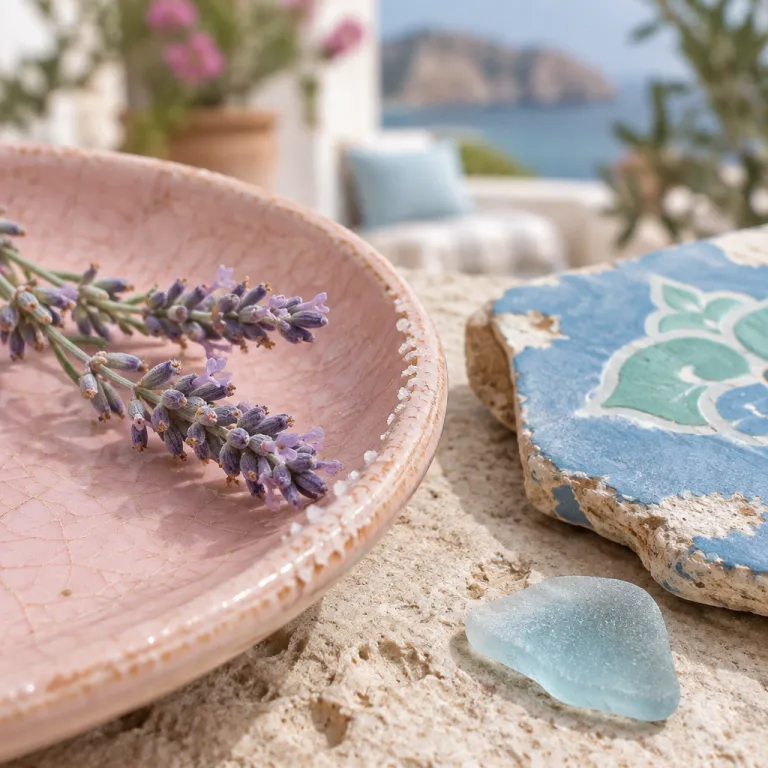
Palma de Mallorca: where history, harbour light and luxury stays meet
The most essential things to see in Mallorca begin in Palma, a compact capital where Gothic stone meets superyacht gloss. In Palma de Mallorca you can stroll from the vast La Seu cathedral to the waterfront in under fifteen minutes, then return to your luxury hotel suite for a chilled glass of local white wine. This city rewards every visit with new angles, from medieval patios to contemporary galleries bathed in Mediterranean light.
Start your day in the old town of Palma, wandering narrow lanes that suddenly open onto small squares with elegant cafés. Many of the best hotels sit within a ten-minute walk of the cathedral or the marina, which makes it easy to combine sightseeing with relaxed pool time. When you plan your trip, look for a hotel in Palma that offers a rooftop terrace or upper-floor bar, because the sunset views over the bay rank among the most beautiful in the Balearic Islands.
For culture lovers, the top things Palma offers include the cathedral interior, the Almudaina Palace and the Es Baluard museum. Each place reveals a different chapter of the island story, from Moorish arches to contemporary sculpture overlooking the sea. Between visits, pause at the marina to watch yachts glide into the port of Palma, then retreat to a quiet lounge bar where you can plan the next day trip across the island.
Luxury travellers often use Palma as a base for exploring other things to see in Mallorca, because the city connects easily to every coast. From here you can reach the rugged north, the calm east or the glamorous southwest beaches of Mallorca within about an hour by car. If you prefer curated experiences, many hotels in Palma can arrange a private driver or a small group excursion that links several beautiful beaches and hilltop villages in a single, seamless day.
From Palma to Sóller: vintage rails, mountain views and harbour evenings
Some of the most atmospheric things to see in Mallorca unfold along the route between Palma and Sóller. The historic wooden train from the city to the mountain town offers a slow journey of roughly one hour through orange groves, tunnels and sweeping views of the Serra de Tramuntana. For many visitors this Palma to Sóller ride becomes a highlight of the entire trip, especially when combined with a stay in a refined hotel overlooking the valley.
The town of Sóller itself feels enclosed by peaks, with a handsome main square and stone houses that glow in late afternoon light. From here a vintage tram rattles down to Port de Sóller in about fifteen minutes, where the bay curves gently around a sandy beach framed by hills. Choosing a hotel either in Sóller town or near Sóller port lets you enjoy both mountain calm and seaside charm without long transfers.
For a deeper look at this route, many travellers consult a detailed guide to the Mallorca vintage train and the Sóller valley before booking. This helps you decide whether to visit on a day trip from Palma or to spend several nights in the area. Either way, the combination of historic transport, crystal clear mountain air and harbourfront dining makes this one of the best experiences on the island.
Along the coast near Port de Sóller you will find walking paths that reveal wide views of the sea and the rugged coast of Mallorca. Some trails are suitable for a small group hike, while others are short enough for a relaxed pre-dinner stroll. After walking, return to your hotel balcony or garden to watch the lights of the port reflect on the clear waters, a simple but unforgettable pleasure.
Northern Mallorca: Formentor, Alcúdia and cinematic coastal panoramas
The north of Mallorca concentrates many of the most dramatic things to see in Mallorca, especially around Formentor and Alcúdia. Here the mountains plunge into the sea, creating headlands, coves and viewpoints that feel almost cinematic. Luxury hotels in this region often emphasise privacy and views, making it a great place for travellers who value space and quiet.
Cap de Formentor is the most famous viewpoint, reached by a winding road that reveals new perspectives at every turn. From the miradors you look down onto clear water coves and the long curve of Playa de Formentor, one of the most beautiful beaches in Mallorca. Many guests arrange a small group boat trip from Port de Pollença to see the cliffs of Formentor from the sea, where the contrast between rock and crystal clear water is especially striking.
The walled town of Alcúdia lies a short drive from Formentor and offers a different kind of charm. Within the medieval walls, narrow streets lead to a central square lined with cafés, while just outside you find long sandy beaches that are ideal for families. Staying in a refined hotel near town Alcúdia allows you to combine heritage walks, beach days and easy access to boat excursions along the north coast of Mallorca.
Travellers planning a longer Balearic trip often pair northern Mallorca with quieter islands, using guides such as this curated overview of elegant ways to experience Majorca to refine their itinerary. If you are considering a twin-centre escape, you might also look at where to stay in Menorca for couples for a softer, slower contrast. In every case, choosing the right hotel in the north of Mallorca turns these landscapes into your temporary front garden.
South and southeast coves: Cala Llombards, Cala Figuera and Es Caló des Moro
The southeast coast of Mallorca is a tapestry of coves where pine trees lean over clear waters. Among the most celebrated things to see in Mallorca are the coves of Cala Llombards, Cala Figuera and Es Caló des Moro, each with its own character. Luxury travellers often base themselves in a calm hotel nearby, then explore a different cala each day.
Cala Llombards is a deep inlet with pale sand, high cliffs and water that shifts from turquoise to deep blue. The beach here is relatively small, which creates an intimate atmosphere even in high season, and the surrounding rocks offer great views back towards the open sea. Many guests describe the water at this Mallorca cala as some of the clearest on the island, perfect for swimming or gentle paddleboarding.
Cala Figuera is not a classic beach but a fishing harbour, where whitewashed houses and boathouses cluster around a narrow inlet. Walking along the quays you see small boats bobbing in crystal clear water, while cats sleep on sun warmed steps. This is a beautiful place to visit in the late afternoon, then return to your hotel for a quiet dinner or a tasting menu that showcases local seafood.
Es Caló des Moro, often shortened to des Moro, has become famous for its intense turquoise lagoon framed by cliffs and pines. Reaching the beach involves a short walk, so wear proper footwear and avoid carrying too much, especially in the heat. To experience the clear waters here with more serenity, arrive early in the morning or later in the day, when the light is soft and the small cove feels more peaceful.
Southwest and west coast: Port de Sóller, hidden calas and sunset terraces
The southwest and west coast of Mallorca combine mountain drama with easy access to the sea. For many travellers, this region offers some of the most memorable things to see in Mallorca, especially if you value sunsets, good restaurants and stylish hotels. The interplay between rugged cliffs, small ports and sheltered calas creates endless options for both relaxed and active days.
Port de Sóller, already mentioned for its vintage tram, deserves attention as a base in its own right. The bay curves around a sandy beach, with hotels, cafés and restaurants lining the promenade, many just a few minutes’ walk from the water. From here you can join a small group boat tour that visits nearby coves, where you swim in clear waters beneath steep cliffs along the west coast of Mallorca.
Further southwest, around Andratx and Port d’Andratx, the landscape becomes more rugged and exclusive. Many villas and hotels cling to the hillsides, offering wide views over the sea and the distant outline of the island of Dragonera. This is a great place for travellers who want privacy, refined dining and easy access to both beaches and yacht charters.
Along this stretch you will also find lesser known calas where locals swim from rocks into deep, clear water. These spots rarely have large beaches, but they offer a sense of authenticity and calm that many luxury travellers appreciate. After a day trip exploring the coast, returning to a hotel with a sea facing terrace and attentive service turns the simple act of watching the sunset into an event.
Choosing the right luxury hotel for your Mallorca itinerary
Understanding the main regions of Mallorca helps you choose the best hotel for your style of travel. Palma suits guests who want culture, dining and easy access to the rest of the island, while Sóller and its port appeal to those who prefer mountain scenery and a calmer pace. The north around Formentor and town Alcúdia works well for travellers seeking beautiful beaches and long coastal views, whereas the southeast calas attract swimmers and photographers who love crystal clear coves.
When comparing hotels, look carefully at location, because a few hundred metres can change your experience. A property described as being a short walk from the beach may sit on a quiet side street, while another hotel on the same coast might rise directly above the sea with uninterrupted views. For guests who value privacy, a small hotel with fewer rooms often creates a more intimate atmosphere, especially when combined with a high staff to guest ratio.
Consider also how you plan to explore the main things to see in Mallorca during your stay. If you want to visit several beaches in Mallorca, including Playa de Formentor and smaller coves like Cala Llombards or des Moro, a rental car or private driver will give you maximum flexibility. Travellers who prefer guided experiences can ask their hotel concierge to arrange small group excursions that combine a scenic day trip with time to swim in clear waters and enjoy local cuisine.
Finally, align your choice of hotel with the rhythm you want for your trip. Some guests enjoy starting in Palma for two nights, then moving to a coastal hotel near Port de Sóller or Formentor for slower days by the sea. Others base themselves in one central place and use well planned day trips to reach different parts of the island, returning each evening to familiar surroundings and attentive service.
Key figures about travel and luxury stays in Mallorca
- The island of Mallorca welcomes more than 10 million visitors per year, with a significant share choosing Palma and the surrounding coast for short luxury breaks, according to data regularly reported by the Balearic tourism authorities and the Balearic Islands Statistics Institute (IBESTAT, 2022).
- Over 40 percent of travellers to Mallorca report that access to beautiful beaches and clear water is their primary reason for visiting, based on recent surveys by the Spanish tourism board (Turespaña) and regional tourism bodies published in 2021–2023.
- Average hotel occupancy in Palma de Mallorca during peak summer months often exceeds 80 percent, which makes early booking essential for securing the best rooms with sea views, especially in luxury and boutique properties, as highlighted in annual reports from the Palma 365 Tourism Foundation.
- The Serra de Tramuntana region, which includes Sóller and Formentor, has been listed as a UNESCO World Heritage cultural landscape since 2011, underlining its global significance and appeal for visitors who value protected scenery.
- Luxury and premium category hotels represent a growing segment of the accommodation market in Mallorca, with steady year on year increases in both room supply and guest nights recorded by regional statistics offices and tourism observatories in the Balearic Islands.
FAQ about things to see in Mallorca and where to stay
What are the essential things to see in Mallorca for first time visitors ?
First time visitors should prioritise Palma’s cathedral and old town, the vintage train to Sóller, at least one day trip to the Formentor area and time at a couple of beautiful beaches such as Playa de Formentor or a southeast cala. These highlights give a balanced sense of the island, combining culture, scenery and sea. Staying in a well located hotel in Palma or Sóller makes it easier to reach these places without long transfers.
Where should I stay in Mallorca for the best beaches and clear waters ?
For long sandy beaches and clear waters, the north around town Alcúdia and Playa de Muro works very well. Travellers who prefer smaller coves with crystal clear water often choose the southeast, near Cala Llombards, Cala Figuera or Es Caló des Moro. Many luxury hotels in these areas offer direct access or a short walk to the sea, which is ideal for relaxed swimming and sunbathing.
Is Palma a good base for exploring the rest of the island ?
Palma is an excellent base because it sits at the centre of the island’s road network and offers a wide choice of hotels, restaurants and cultural sites. From Palma you can reach Sóller, Formentor, Alcúdia or the southeast calas in under ninety minutes by car, which makes day trips straightforward. This flexibility is especially useful for shorter stays when you want to see several regions without changing hotels.
How many days do I need to enjoy the main things to see in Mallorca ?
A stay of four to five nights allows you to experience Palma, the Sóller area, at least one Formentor viewpoint and a couple of beautiful beaches without rushing. With a week or more you can add the southeast coves, extra day trips and perhaps a small group boat excursion along the coast of Mallorca. Longer stays also make it easier to enjoy your hotel facilities, from spa treatments to leisurely breakfasts on a sea facing terrace.
Do I need a car to explore Mallorca’s highlights from my hotel ?
A car offers maximum freedom, especially if you want to visit several calas and viewpoints such as Cap de Formentor in a single trip. However, many hotels can arrange private drivers or small group tours that cover the main things to see in Mallorca without the need to drive yourself. In Palma and Sóller you can also rely on public transport and taxis for shorter journeys, then reserve car hire only for specific days when you plan longer excursions.