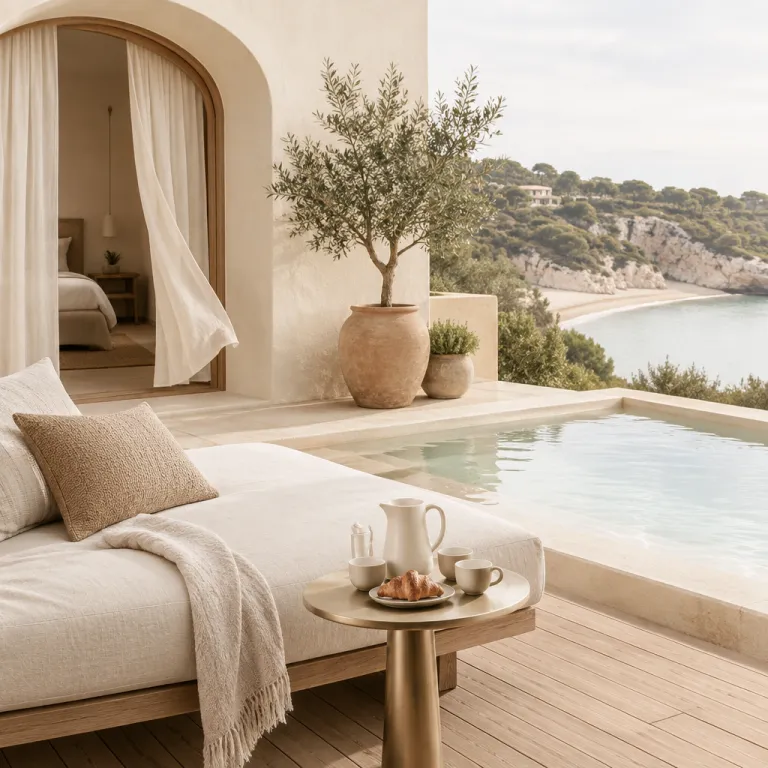
Where to stay in Mallorca for your first refined escape
Choosing where to stay in Mallorca shapes every moment of your trip. The island combines historic towns, glamorous ports, and quiet coves, so your preferred stay will depend on how you like to balance culture, beaches, and privacy. When you plan where to stay in Mallorca, think in zones rather than a single town or beach so you can match each area to a different mood and pace.
Palma de Mallorca is the natural starting point, especially for a short luxury stay. The capital city offers some of the island’s best hotels in restored palaces, close to the cathedral, marina, and high end restaurants. If you wonder where to stay for a first visit, a hotel in Palma places you within about 15–20 minutes of both the airport and several sandy beaches on the south coast, with the scent of sea salt and coffee drifting through the old town streets in the morning.
Many travellers split their stay between Palma and the west coast Mallorca region. This two stop approach lets you enjoy the energy of the city and the calm of the Tramuntana mountains in a single trip. When you compare places to stay across the island, consider at least one hotel in Palma and one on the coast for a richer sense of Mallorca’s best experiences, from cathedral bells at dusk to the sound of waves against a harbour wall.
Palma, historic towns, and the cultural heart of the island
Palma itself suits travellers who want art, gastronomy, and easy access to beaches. Around the cathedral and La Lonja quarter, you will find some of the best hotels Mallorca offers for couples who enjoy design, rooftop pools, and refined service. For example, El Llorenç Parc de la Mar overlooks the bay with a sleek rooftop pool (often from around €300–€500 per night in high season), while Hotel Sant Francesc in a former mansion offers quiet courtyards and contemporary art. From a central hotel in Palma, you can reach city beaches by taxi in minutes, then return to Michelin starred restaurants in the evening as church façades glow in the warm light.
Beyond the capital, the hill town of Valldemossa offers a quieter place to stay with strong cultural appeal. Many visitors choose to stay in Valldemossa for one or two nights, then continue along the west coast Mallorca road towards Deià and Sóller. This route through the Serra de Tramuntana combines mountain scenery, stone villages, and sea views, making it one of the island’s best drives, especially at sunset when the limestone peaks turn soft pink.
Deià is a small town that attracts artists, writers, and travellers seeking privacy. Luxury hotels in Deià often occupy historic fincas with terraces overlooking the Tramuntana mountains and the sea. Belmond La Residencia, for instance, is known for its terraced gardens and art collection, with summer rates that frequently start around €600–€800 per night. If you are deciding where to stay in Mallorca for a romantic escape, a hotel in Deià or Valldemossa offers a more intimate stay than Palma while still keeping you within about 35–45 minutes of the airport by private transfer or hire car.
West coast elegance: Sóller, Port de Sóller, and the Tramuntana
The west coast Mallorca region around Sóller and Port de Sóller is ideal if you want mountains and sea in one stay. The town of Sóller sits in a fertile valley of orange groves, while Port Sóller curves around a sheltered bay with a sandy beach and yacht filled marina. Many travellers choose to stay in Sóller for village charm, then move to a hotel in Port Sóller for direct access to the water, listening to the clink of masts in the marina at night.
Luxury hotels in this area often highlight the Serra de Tramuntana setting with terraces, infinity pools, and spa facilities facing the peaks. Jumeirah Port Soller Hotel & Spa, perched above the bay, is a good example, with tiered pools and panoramic views; in high season, double rooms often start around €500–€700 per night. If you are considering where to stay in Mallorca for hiking, cycling, and scenic drives, this region offers some of the island’s best access to the Tramuntana mountains. A refined stay here also keeps you within an easy 30–40 minute drive of Deià, Valldemossa, and smaller coastal towns such as Sant Elm on the far western tip.
For curated inspiration across the island, many travellers consult specialist round ups of refined stays in Mallorca that highlight properties from Palma to Port Sóller and beyond. These guides help narrow down the right place to stay for different travel styles, whether you prefer a sea facing room in Port Sóller or a valley view suite in the town of Sóller itself, where the smell of orange blossom drifts through the streets in spring.
Northern bays: Port de Pollença, Puerto Pollensa, and Port d’Alcúdia
The north of Mallorca offers long sandy beaches, family friendly resorts, and easy access to wild headlands. Port de Pollença, often written as Puerto Pollensa, appeals to travellers who want a relaxed seafront promenade, calm waters, and a choice of upscale hotels. Many guests stay in Port Pollença for a week or longer, using the town as a base to explore nearby coves and the historic centre of Pollença inland, where café tables spill onto cobbled squares.
Port d’Alcúdia, usually called Port Alcúdia, suits travellers who prioritise a wide beach and a broad choice of hotels Mallorca side by side. The bay here offers shallow water and a long stretch of sand, making it one of the best beaches for families on the island. When you compare where to stay options between Port Pollença and Port Alcúdia, the former feels quieter and more traditional, while the latter offers more nightlife and larger resort style hotels. Typical transfer times from Palma airport are around 45–60 minutes by car or pre booked shuttle, depending on traffic.
The old town of Pollença itself provides a different style of stay, with stone houses, narrow streets, and a weekly market. Many visitors choose this town as a place to stay when they want characterful accommodation and easy drives to both northern beaches and the Tramuntana mountains. For wine focused travellers, some luxury properties in this region curate deep local experiences, such as private tastings of Mallorcan vintages in candlelit cellars or vineyard visits followed by dinners under the stars.
East coast calm: Cala Millor, Cala Figuera, and the south east coves
The east coast of Mallorca is known for its string of sheltered coves, or calas, with clear water and pale sand. Cala Millor is one of the largest resorts on the east coast, offering a long beach, a flat promenade, and a wide range of hotels for different budgets. Travellers who stay in Cala Millor often appreciate the balance between a lively atmosphere and easy day trips to quieter coves, with the sound of waves and evening music drifting along the seafront. From Palma airport, the drive usually takes around 60–70 minutes by taxi, hire car, or shared transfer.
Further south, Cala Figuera presents a very different mood, with a narrow fishing port and whitewashed houses around the water. This small port town suits guests who prefer a peaceful stay with a sense of tradition rather than a broad beach. When you consider where to stay in Mallorca on the east coast, think about whether you want the full service feel of Cala Millor or the harbour charm of Cala Figuera and neighbouring calas, where fishing boats rock gently beside simple seafood restaurants.
The south east corner also includes Colònia de Sant Jordi, often shortened to Colonia Sant, which provides access to some of the island’s best beaches such as Es Trenc. Many travellers choose this as a place to stay when they want long walks along natural dunes and clear, shallow water. Across these towns, you will find a mix of contemporary hotels and converted fincas, part of a wider trend in which Balearic stone walls, shaded patios, and old cisterns become the backdrop for modern pools and minimalist interiors.
Hidden coves, Sant Elm, and the quieter west and south coasts
For travellers who value seclusion, the quieter corners of the west and south coasts offer some of the island’s most rewarding places to stay. Sant Elm, on the far western coast Mallorca, faces the uninhabited island of Sa Dragonera and feels far removed from the busier resorts. A stay in Sant Elm suits guests who want coastal walks, small beaches, and sunset views rather than nightlife, with the sky often turning deep orange behind the silhouette of the offshore island.
Along the south coast, smaller towns and calas provide intimate settings with limited but often high quality hotel choices. These areas can be ideal when you are deciding where to stay in Mallorca for a second or third visit, once you have already experienced Palma or the main northern bays. Many luxury travellers choose a hotel here as a final, quiet place to stay after a few nights in the city or the Tramuntana mountains, enjoying slow breakfasts on shaded terraces and the sound of cicadas at midday.
Across the island, the most exclusive hotel options tend to focus on space, privacy, and tailored service rather than size. When you evaluate where to stay options, look for properties that limit room numbers, offer direct access to beaches or hiking trails, and maintain strong connections with local restaurants and producers. This approach helps ensure that your chosen hotel feels like a considered place to stay rather than just another stop along the coast.
How to choose the best hotel style and location for your trip
Selecting the best hotel for your stay in Mallorca starts with clarifying your priorities. If you want culture, shopping, and easy transfers, Palma and nearby beaches on the south coast will suit you best. For a focus on scenery and hiking, the Serra de Tramuntana and towns such as Sóller, Deià, and Valldemossa offer the most rewarding stay, with trails that begin almost at your doorstep.
Families often prefer the long beaches and varied hotels of Port Alcúdia, Port de Pollença, and Cala Millor on the north and east coast. Couples may lean towards smaller hotels in Deià, Valldemossa, or the harbour of Port Sóller, where the emphasis is on calm, views, and refined restaurants. When you compare hotels Mallorca wide, consider whether you want to wake up by a beach, in a historic town, or high above the coast Mallorca in the mountains, where morning mist sometimes hangs in the valleys.
Many travellers now combine two or three places to stay in a single itinerary, such as Palma, Port Sóller, and Puerto Pollensa. This multi stop approach answers the question of where to stay in Mallorca by accepting that one hotel cannot capture the whole island. By aligning each place to stay with a clear purpose, you turn the simple choice of where to stay into the framework for a richer, more layered trip.
Key figures about luxury travel and hotels in Mallorca
- The Balearic Islands receive more than 14 million international visitors annually, with Mallorca accounting for the majority according to data from the Spanish National Statistics Institute (INE), which underlines strong demand for quality hotels; always check the latest INE tables for updated figures.
- Palma de Mallorca Airport handles over 25 million passengers per year based on Aena airport statistics, making Palma one of Spain’s busiest gateways and supporting a wide range of premium hotel openings; current numbers are available in Aena’s official traffic reports.
- The Serra de Tramuntana covers roughly 1,000 square kilometres and was designated a UNESCO World Heritage cultural landscape, which explains the concentration of high end hotels in towns such as Sóller, Deià, and Valldemossa; UNESCO’s listing provides detailed background on this protected area.
- Surveys from the Balearic regional tourism authorities indicate that more than 40 percent of visitors now choose four or five star accommodation, reflecting a clear shift towards luxury and premium stays across the island; consult the latest regional tourism barometers for precise percentages.
- Coastal municipalities such as Alcúdia, Pollença, and Sant Llorenç (for Cala Millor) consistently rank among the most visited areas of the island, confirming the importance of beach focused resorts in hotel planning, as shown in annual visitor distribution reports from the Balearic tourism department.
FAQ about where to stay in Mallorca
Which area is best for a first luxury stay in Mallorca ?
For a first visit, staying in Palma or nearby along the south coast works well. You gain quick access to the airport, city sights, and several beaches within a short drive. Many travellers then add two or three nights in Sóller or Deià to experience the Serra de Tramuntana and enjoy a contrast between urban energy and mountain calm.
Where should families stay in Mallorca for easy beach access ?
Families often choose Port de Pollença, Port d’Alcúdia, or Cala Millor because these resorts offer long sandy beaches, shallow water, and a wide choice of hotels. The promenades in these towns are generally flat and stroller friendly. You will also find many casual restaurants and activities aimed at children, from pedal boats to small playgrounds near the sand.
Is it better to stay in Palma or in a coastal town ?
Palma suits travellers who want culture, shopping, and nightlife within walking distance of their hotel. Coastal towns such as Port Sóller, Puerto Pollensa, or Sant Elm are better if you prioritise sea views, quieter evenings, and direct access to beaches. Many visitors split their stay between Palma and one coastal area to enjoy both atmospheres without long daily drives.
Where should I stay in Mallorca for hiking in the Tramuntana mountains ?
If hiking is your focus, consider staying in Sóller, Valldemossa, or Deià, which all sit within or close to the Serra de Tramuntana. These towns offer trail access, mountain views, and a range of comfortable hotels. Port Sóller also works well if you want both hiking and a beach at the end of the day, with boats bobbing in the harbour as you return from the hills.
How many areas should I include in one trip to Mallorca ?
For a week long stay, two areas are usually enough, such as Palma and Port de Pollença or Palma and Sóller. If you have ten nights or more, you might add a third place to stay, for example a few days on the east coast. Changing hotels too often can reduce relaxation time, so balance variety with ease and allow at least two or three nights in each chosen base.