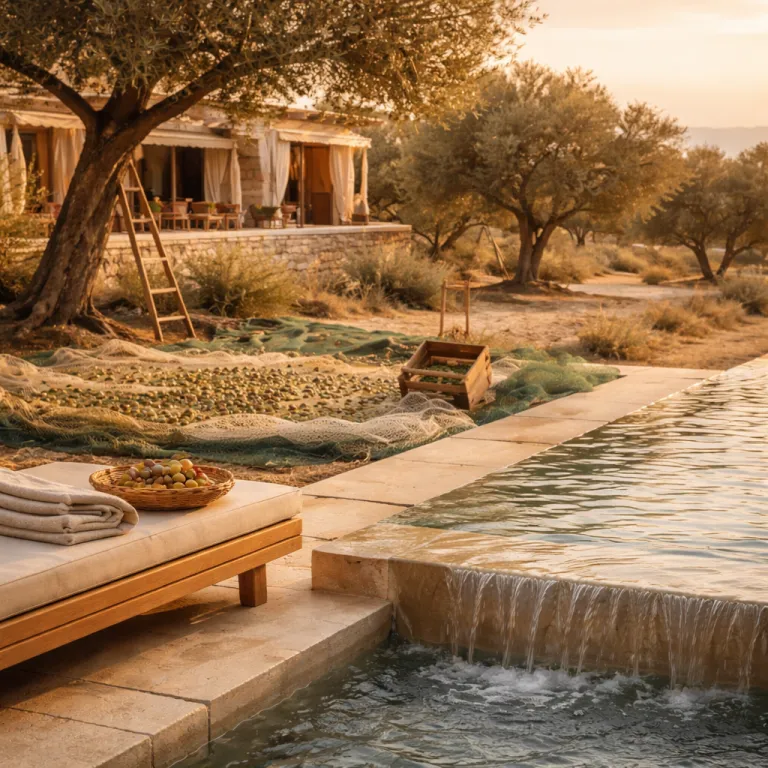
Slow luxury in the Balearic Islands: from spectacle to stillness
Slow luxury in the Balearic Islands is not a marketing slogan, it is a deliberate rejection of distraction. Choosing this kind of stay means that a hotel will prioritise silence, elemental beauty and time over constant programming, which is a marked shift for many resorts in this part of Spain. When you plan a high-end escape to the archipelago today, you are choosing between the old model of entertainment-led complexes and a new generation of retreats that edit out the noise.
Across the Balearic Islands, from Mallorca to Menorca, from Ibiza to Formentera, the most interesting luxury properties are embracing intentional emptiness. Island hoteliers are turning down lobby music, stripping back poolside entertainment and replacing late night shows with long, candlelit dinners that stretch into the warm island night. As one general manager in Mallorca put it during a recent tourism forum, “Our guests don’t want more options, they want more silence.” The economic logic is clear, because affluent visitors are spending more per guest when the focus is on depth of experience rather than volume of activities.
The data from the Universitat de les Illes Balears is unambiguous about this shift. According to a 2023 study on tourism expenditure in the islands, luxury visitors represent around 8 percent of arrivals yet generate roughly 27 percent of total tourist spending, with an average daily outlay of about 731 euros per guest across the archipelago. The research, based on a sample of several thousand survey responses collected at airports and ports during the 2022 high season, combines official arrival statistics with detailed spending diaries to track how visitors allocate their budgets. Balearic hoteliers understand that a stay built around calm, wellness and local culture can sustain higher rates, longer visits and stronger repeat bookings than a race to offer the loudest pool party.
Additional figures from Spain’s National Statistics Institute (INE) and the Balearic Institute of Statistics (IBESTAT) support the same conclusion: while overall visitor numbers have stabilised, per-guest spending in the premium segment has risen steadily over the past five years. This reinforces the idea that the islands can reduce pressure on infrastructure while still growing revenue by courting travellers who value time, space and considered design over constant stimulation.
So what does this look like on the ground for a couple planning a romantic trip? In rural Mallorca, you see it in fincas where the infinity pool faces an olive grove instead of a stage, and where the only scheduled event is a guided walk through the estate at golden hour. On Ibiza, it appears in hilltop retreats that let the clubs handle the spectacle while the hotel concentrates on restorative spa rituals, discreet service and suites with a view of the Mediterranean Sea rather than the dance floor.
Slow luxury is also a cultural statement about Balearic identity. The islands have lived through decades of mass tourism, and the current generation of owners wants to protect what makes each island distinctive while still operating profitable properties across the region. “What is slow luxury?” one of the most frequently asked questions, has a simple answer in the official guidance from regional tourism bodies: “A travel approach emphasizing quality, relaxation, and local culture.”
That definition matters when you compare the best places to stay across the archipelago. A luxury break that truly follows this philosophy will integrate local artisans, seasonal food and low impact design instead of importing a generic international aesthetic. Couples who once chased the newest rooftop bar are now asking which hotel offers the quietest sunrise, the most intuitive spa therapist and the kind of service that anticipates needs without hovering.
For travellers used to high energy resorts, the absence of noise can feel radical. There is no lobby playlist competing with the sound of cicadas, no compulsory aqua gym class by the infinity pool, no laminated schedule of activities on every table. Instead, an upscale escape in the Balearic Islands increasingly means that the most valuable amenity is unstructured time, framed by olive trees, dry stone walls and the slow rhythm of the Mediterranean Sea.
This shift does not mean that the islands have abandoned glamour or comfort. The best hotels are still investing in expansive suites, refined dining and high touch service, but they are editing out anything that feels like visual or acoustic clutter. As one returning guest at a coastal retreat near Santa Ponsa remarked, “Nothing is missing, there is just less of what we never needed.” For couples, that means the freedom to curate each night according to mood, whether that is a long bath in a stone lined spa suite or a quiet glass of local wine under the stars.
Where slow luxury lives: from Son Bunyola to rural fincas
The clearest expression of this new philosophy appears in a handful of pioneering properties. On the northwest coast of Mallorca, Son Bunyola by Virgin Limited Edition has become a reference point for a refined island retreat that values landscape over spectacle. Here, the infinity pool is framed by terraced vineyards and the Tramuntana mountains, and the loudest sound at night is usually the wind moving through the pines.
Son Bunyola is not alone in reimagining what high-end hospitality in Spain can be. Across the island, former farmhouses and estates have been transformed into low density hideaways where each guest suite feels like a private retreat, and where the main offers are space, privacy and access to nature. Properties in Santa Ponsa and the wider hotel scene in Mallorca are quietly reducing room counts, expanding gardens and investing in serious wellness facilities instead of more bars.
Cap Rocat, set in a former military fortress near Palma, is another case study in slow, architectural luxury. The hotel stretches along the cliffs with uninterrupted views of the Mediterranean Sea, and the design encourages you to move slowly through courtyards, tunnels and terraces rather than rush between amenities. A high-end stay at this level is about inhabiting a piece of landscape and history, not ticking off a list of facilities.
Rural retreats such as Finca Serena inland from the coast push the concept even further. At Finca Serena, the infinity pool looks over vineyards and lavender fields, and the spa is designed as a sequence of calm rooms rather than a flashy wellness complex. Couples choosing this kind of countryside hotel are trading proximity to nightlife for direct access to olive groves, orchards and walking trails that start at their terrace.
For travellers tracking new openings, the most interesting projects are those that double down on this quieter aesthetic. Our detailed guide to summer 2026 hotel openings in the Balearic Islands highlights properties that are deliberately limiting room numbers and programming. These new addresses across the islands are betting that couples will pay more for a handful of perfectly executed experiences than for a packed calendar of events.
Slow luxury is not limited to Mallorca. On Menorca, the ethos feels almost native, thanks to the island’s long standing biosphere reserve status and its softer, more rural character. A premium escape that includes Minorca often centres on renovated townhouses and countryside estates where the main offers are quiet courtyards, shaded pools and access to near empty coves.
Fontenille Menorca and Divina Suites in Ciutadella are two names that come up repeatedly among design conscious travellers. At Fontenille Menorca, the hotel is split between a clifftop estate and a countryside finca, each with its own rhythm, while Divina Suites focuses on generous, high ceilinged suites in the historic centre. Both properties show how an upscale escape in the Balearic Islands can feel deeply local without sacrificing comfort or attentive service.
Even larger brands are adapting their strategy to this new reality. Gran Meliá, long associated with resort scale hotels in Spain, is increasingly positioning its luxury portfolio in the Balearic Islands around calm design, serious gastronomy and discreet wellness rather than all inclusive entertainment. For couples, that means you can now choose a Mallorca experience that feels as considered and quiet as a rural finca, even when you stay closer to the coast.
Wellness, spa rituals and the economics of fewer distractions
Wellness is the bridge between slow luxury and the new economics of Balearic hospitality. When a hotel removes constant entertainment, it creates space for spa rituals, movement classes and nutrition focused menus that encourage guests to stay longer and spend more thoughtfully. A high-end holiday in the islands built around wellness is not about a token massage, it is about designing the entire day around rest and recovery.
From a revenue perspective, this approach makes sense for Balearic hoteliers. The Universitat de les Illes Balears data on tourism expenditure shows that luxury travellers, though only a small share of visitors, contribute a disproportionate share of total spending across the islands. When a couple books a wellness focused retreat for five nights instead of three, and invests in spa treatments, private movement sessions and chef led tasting menus, the property can sustain higher rates without chasing volume.
Wellness led properties across Mallorca, Ibiza, Menorca and Formentera are also aligning with the wider shift towards sustainable, regenerative travel in Spain. By reducing noise, light pollution and unnecessary infrastructure, these hotels lower their environmental footprint while enhancing the sense of retreat that couples seek. A restorative break that respects the land tends to feel more romantic, more grounded and ultimately more memorable.
On Ibiza, the contrast is particularly sharp. Properties that once competed on the size of their poolside DJ booth are now investing in serious hydrotherapy circuits, sound healing rooms and treatment menus built around local botanicals. One spa director on the island describes the change simply: “We swapped the DJ line-up for a therapy menu, and our guests stayed longer.” For couples, the choice is no longer between party and boredom; it is between a frenetic schedule and a curated sequence of experiences that leave you feeling better on the flight home.
In Mallorca, the wellness narrative is increasingly tied to landscape. Rural estates and coastal retreats are using olive groves, vineyards and forested hills as open air wellness spaces, with sunrise yoga among the trees and guided hikes replacing some of the old entertainment programming. Our in depth feature on Mandarin Oriental Punta Negra explores how major international brands are reading this shift and redesigning their Balearic strategies accordingly.
Wellness also changes how couples interact with their suites. Instead of using the room purely as a place to sleep after a long night out, guests are spending more time in deep soaking tubs, on private terraces and in living areas designed for reading and reflection. A luxury-focused itinerary now often includes in suite treatments, personalised aromatherapy and tailored sleep rituals that extend the spa experience into the private realm.
For hoteliers, the move towards fewer distractions is not just aesthetic, it is strategic. By focusing on high value wellness and gastronomy, they can reduce staffing for large scale entertainment while increasing revenue per guest through targeted, high margin experiences. This is why you see more packages built around multi day wellness programmes, vineyard stays and gastronomy weekends rather than simple room discounts.
The key for travellers is to read between the lines when browsing hotel offers across the Balearic Islands. Look for language that emphasises time, space and local connection rather than a long list of activities, and prioritise luxury properties that integrate wellness into the architecture rather than treating the spa as an add on. That is where a high-end escape in the Balearic Islands will feel genuinely restorative rather than superficially indulgent.
Choosing your island: Mallorca, Menorca, Ibiza or Formentera ?
For couples planning a luxury stay in the Balearic Islands, the first decision is not which hotel to book, but which island matches their version of slow luxury. Each of the four main islands offers a different balance of energy, landscape and wellness culture, and choosing well will shape every night of your trip. Think of it as selecting a mood rather than a destination.
Mallorca is the most versatile choice for a luxury stay in the Balearic Islands. Here you can pair a rural finca such as Finca Serena with a coastal stay near Santa Ponsa or Palma, moving between olive groves and infinity pools that overlook the Mediterranean Sea. The best hotels on the island, from Cap Rocat to discreet members of the Gran Meliá portfolio, understand that couples want both seclusion and access to excellent dining.
Menorca Spain leans into a softer, more introspective version of luxury. Properties like Fontenille Menorca and Divina Suites in Ciutadella offer a luxury stay in the Balearic Islands that is built around quiet streets, sheltered coves and long lunches rather than nightlife. Here, the hotel becomes a base for exploring walking trails and hidden beaches, and the most memorable offers are often simple: a perfect view of the harbour at dusk, or a private terrace where you can read late into the night.
Ibiza remains the most polarising of the Balearic Islands, but it is also where the slow luxury experiment is being tested under the brightest lights. Away from the clubs, hilltop hotels and coastal retreats are crafting a luxury stay in the Balearic Islands that allows you to dip into the island’s energy without being consumed by it. Couples can spend one night at a restaurant with a DJ and the next in a spa suite listening only to cicadas.
Formentera Spain is the archipelago’s purest expression of barefoot luxury. With fewer hotels and a strong culture of day trippers, the key to a successful luxury stay in the Balearic Islands here is to book early and prioritise properties that protect your sense of space. Expect white sand beaches, clear water and evenings that feel more like a private island than a Mediterranean hotspot.
Whichever island you choose, the practicalities of planning matter. Use direct contact with the hotel to ask about noise levels, wellness programming and how many rooms share each pool or terrace, because these details define the quality of a luxury stay in the Balearic Islands. A property that limits occupancy and focuses on personalised service will feel very different from a larger resort, even if both call themselves luxury hotels.
For couples who care as much about their private space as the main pool, our guide to private pool hotels in Mallorca is a useful starting point. These options show how a well designed suite with its own plunge pool can turn a standard trip into a deeply private luxury stay in the Balearic Islands. The same logic applies on Ibiza, Menorca and Formentera, where the most coveted suites often come with their own outdoor space.
One final note for detail oriented travellers: the term “boutique hotel” is often used loosely in marketing, but what matters more is how a property uses its scale. Look for places across the Balearic Islands that translate small size into meaningful advantages, such as staff who remember your preferences from the first night or chefs who adjust menus to your tastes. That is where a luxury stay in the Balearic Islands becomes personal rather than simply premium.
Key figures behind the rise of slow luxury in the Balearic Islands
- Luxury tourists account for around 8 percent of visitors to the Balearic Islands yet generate approximately 27 percent of total tourist spending, according to a 2023 expenditure study by the Universitat de les Illes Balears, which explains why luxury hotels can focus on fewer guests while maintaining strong revenue.
- The same research indicates that high-end travellers in the Balearic Islands spend about 731 euros per guest per day on average, a level of daily expenditure that supports high quality spa facilities, expansive suites and low density hotel layouts.
- Regional tourism strategies now emphasise a shift from mass tourism to quality tourism across Mallorca, Menorca, Ibiza and Formentera, encouraging hotels to invest in sustainable practices and wellness led experiences that align with the principles of a slow luxury stay in the Balearic Islands.
Sources
- Universitat de les Illes Balears – 2023 research on luxury tourism spending in the Balearic Islands (Direcció General de Turisme, Conselleria de Turisme, Cultura i Esports), based on combined survey data and official arrival statistics
- MallorcaGuide – analysis of sustainable luxury and regenerative travel positioning in Mallorca
- Travel and Tour World – reporting on rising costs, luxury trends and shifting tourist demographics in Spain’s island destinations
- INE (Instituto Nacional de Estadística) and IBESTAT – complementary data on visitor numbers, average daily spend and seasonality in the Balearic Islands