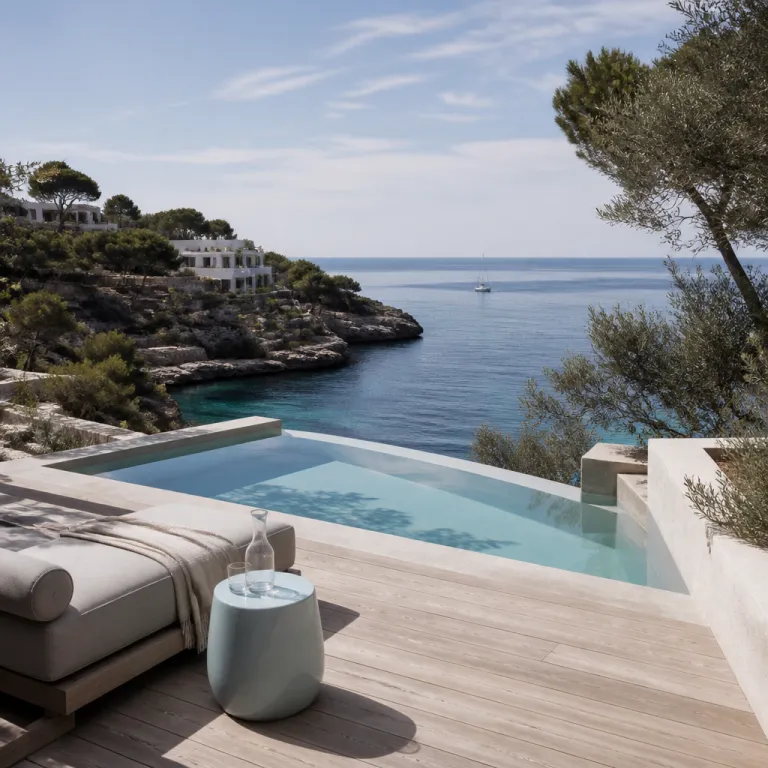
Mallorca: what to do and see on a refined island escape
Mallorca rewards curious travellers who look beyond the obvious beaches. On this Mediterranean island you can pair a luxury hotel stay with quiet coves, elegant city streets, and slow coastal drives that feel made for long summer evenings. Understanding what to do and see in Mallorca starts with choosing the right base between Palma, Sóller, and the Tramuntana Mountains.
Palma de Mallorca is the island’s capital city and the natural starting point for most visitors. The Gothic cathedral, the waterfront promenade, and the historic Palma town streets offer some of the best things to experience on a short city break before or after a longer coastal escape. Many luxury hotel options cluster around the old city walls and the marina, giving you easy access to both the sea and the cultural heart of Palma Mallorca.
When planning your itinerary of things to do in Mallorca Spain, think in terms of contrasting days. Spend one day exploring the city and another day trip driving into the Tramuntana Mountains or along the northern coast towards Formentor. This balance lets you enjoy both the beautiful beaches of Mallorca and the dramatic mountain views without rushing between too many towns and ports.
Palma’s elegant neighbourhoods, culture, and coastal light
Palma is far more than an airport gateway; it is a genuinely beautiful Mediterranean city. The old Palma town centre is a maze of sandstone lanes where luxury hotels occupy restored palaces with shaded courtyards and rooftop pools. From these terraces you enjoy wide views over the bay, the cathedral, and the marina, especially striking in the soft light at the end of the day.
For travellers wondering in Mallorca what to do and see in the capital, focus on three areas. First, the cathedral and seafront promenade, where you can walk or cycle several kilometres along the water and pause at beach clubs or cafés. Second, the historic centre around Plaça Major and the narrow streets of Palma town, which are ideal for slow exploration and for tasting local cuisine in refined restaurants.
Third, spend time in Santa Catalina, the former fishermen’s quarter that has become one of the best places in Palma for relaxed evenings. Here you find a mix of wine bars, creative tapas, and small luxury hotel addresses within walking distance of the marina. A local restaurateur describes the neighbourhood as “a village inside the city, where you still see neighbours chatting on balconies at sunset.” If you prefer to stay nearby, boutique properties such as Hotel Sant Francesc (often from around €350–€500 per night in high season) or El Llorenç Parc de la Mar (frequently from roughly €400–€600) place you within a 10–15 minute walk of both the cathedral and Santa Catalina.
Hidden coves and crystal clear water: calas beyond the crowds
Many travellers arrive with a simple list of beaches Mallorca is famous for, then realise the island hides far more intimate coves. These smaller bays, known as calas, often have crystal clear water framed by pine trees and pale cliffs. Choosing a luxury hotel within easy driving distance of several calas gives you the freedom to change plans according to wind, crowds, and mood.
Cala Figuera on the south eastern coast is a traditional fishing village rather than a wide sandy beach, yet it offers some of the most atmospheric views in Mallorca Spain. The narrow inlet, lined with boathouses and small boats, feels far removed from the busier resort towns and is a great place for a slow lunch between swims. Nearby, Cala Llombards offers a classic arc of sand with turquoise water, backed by cliffs that provide natural shade during the hottest part of the day.
When you consider what to do and see in Mallorca along the coast, alternate between famous spots and lesser known calas. Ask your hotel concierge for current advice on sea conditions and quieter times, as local hospitality staff often know when cruise ship excursions will arrive. In peak summer, arrive before 10:00 or after 16:00 to improve your chances of finding parking close to the sand, and keep coins or a card handy for pay-and-display machines at popular coves.
Serra de Tramuntana and Sóller: mountains, ports, and panoramic roads
The Serra de Tramuntana mountains run along Mallorca’s north western coast and are recognised as a UNESCO World Heritage Site. This range offers some of the island’s most dramatic views, with terraced olive groves, stone villages, and winding roads that drop suddenly towards the sea. Staying in a luxury hotel here feels very different from a beach resort, with cooler evenings and a focus on hiking, cycling, and quiet contemplation.
For many visitors, Sóller and Port Sóller form the ideal base for exploring this side of the island. The town of Sóller sits in a fertile valley of orange trees, linked to Palma by a historic wooden train that turns the journey into a scenic tour rather than simple transport. The trip usually takes about one hour from Palma station to Sóller, passing through tunnels and citrus groves that children and adults tend to remember long after the holiday ends.
From here, some of the best things to do in Mallorca involve short drives along the coastal road towards Deià and Valldemossa. Each town has its own character, with stone houses, small churches, and viewpoints where you can pause for coffee and watch the light change over the sea. Local guides often recommend this region for travellers who want a refined trip to Mallorca focused on landscape, culture, and gastronomy rather than nightlife, and suggest allowing at least 30 minutes to drive the 12 km between Sóller and Deià due to narrow, winding sections.
Cap de Formentor and the art of the northern day trip
Cap de Formentor, at the northern tip of Mallorca, is one of the island’s most striking landscapes. The road to the lighthouse twists along cliffs that plunge into deep blue water, offering viewpoints where you can see both the Tramuntana Mountains and the open sea. Planning a day trip here from Palma or from a northern hotel requires attention to timing, as access is sometimes regulated during peak months.
On the way to Formentor you pass Port de Pollença and several turnoffs leading to small coves and beautiful beaches. Many travellers consider this region home to some of the best beaches in Mallorca, with long arcs of sand and shallow, crystal clear water suitable for families. If you are staying in a luxury hotel in the north, ask about private boat tours that combine swimming stops with views back towards Cap de Formentor from the sea.
For those planning what to do and see in Mallorca over a week, dedicating one full day to this northern circuit is wise. Start early from Palma Mallorca or from your chosen town, pause in Pollença’s main square for coffee, then continue towards the cape before traffic builds. Driving from Palma to Port de Pollença typically takes around 50–60 minutes, and the final stretch from Port de Pollença to the Formentor lighthouse can add another 30–40 minutes, especially when summer traffic or shuttle-bus restrictions are in place.
Designing a luxury itinerary: hotels, seasons, and refined experiences
Choosing where to stay shapes how you experience Mallorca’s best things to do. High end hotels in Palma suit travellers who want culture, dining, and easy access to the airport, while coastal resorts and rural estates appeal to those seeking space and privacy. Many visitors now combine a few nights in the city with several days in the countryside or by the beach for a balanced itinerary.
Spring and autumn bring mild temperatures and fewer crowds, which many experienced travellers consider the best seasons for a refined city break in Palma. Summer offers warmer seas and long beach days, but also higher demand for the most sought after hotels and the best beaches. As one official answer from the local tourism authorities states, “Spring and autumn offer pleasant weather and fewer crowds.”
For travellers who appreciate characterful rural stays, it is worth looking at how the wider Balearic trend towards restored country estates has influenced Mallorca. Similar estates in the Tramuntana Mountains or inland Mallorca give you access to hiking trails, vineyard visits, and quiet pools with mountain views. When planning your trip Palma combination, consider how many days you want in each setting and book early, as annual tourist numbers now reach around ten million visitors across the island according to the Mallorca Tourism Board’s 2022 figures. Average temperatures of roughly 18 °C, based on long-term data from the Spanish Meteorological Agency, also support outdoor plans for much of the year.
Practical tips for tours, transport, and making the most of your stay
Once you have chosen your hotel, the next step is deciding how to move around the island. Car rental offers the greatest flexibility for reaching remote calas and viewpoints, especially if you plan several day trips from Palma or Sóller. Guided tours, however, can be a wise choice for routes such as Cap de Formentor, where parking is limited and local drivers know the roads intimately.
Public transport connects Palma with many coastal towns and with the airport, making it possible to enjoy a city break without a car. The historic train between Palma and Sóller is both a practical link and a scenic experience, turning a simple transfer into one of the things Palma is rightly proud of. Mobile apps and online maps make it easy to plan routes, but local hospitality staff in your hotel often provide more nuanced advice about timings and quieter periods.
Whatever your personal list of what to do and see in Mallorca includes, a few principles apply across the island. Book accommodations in advance, especially for peak months and for high end properties in Palma town, Port Sóller, and the Tramuntana Mountains. Use sunscreen, stay hydrated during long beach days, and respect local customs in villages and religious sites, so that your visit supports both the local community and the island’s long term appeal.
Key figures for planning a refined stay in Mallorca
- Mallorca welcomes around 10 million tourists per year, according to the Mallorca Tourism Board’s 2022 statistics, which means luxury hotels and the best beaches often book out months in advance during peak season.
- The island’s average annual temperature is approximately 18 °C, based on long-term data from the Spanish Meteorological Agency (AEMET), creating comfortable conditions for outdoor activities in most months.
- The Serra de Tramuntana mountain range, which frames many of the island’s most beautiful views, is recognised as a UNESCO World Heritage Site, underlining its cultural and natural significance.
- Tourism authorities promote eco friendly tourism, culinary experiences, adventure sports, and cultural festivals as four strategic pillars, encouraging visitors to look beyond simple beach holidays.
FAQ about luxury travel and what to see in Mallorca
What is the best time to visit Mallorca for a luxury stay ?
Spring and autumn offer pleasant weather, fewer crowds, and more availability in high end hotels. These seasons are ideal if you want to combine city experiences in Palma with hiking in the Tramuntana Mountains and relaxed beach days. Summer brings warmer seas and a lively atmosphere, but also higher prices and stronger competition for the best rooms.
Is Mallorca suitable for family friendly luxury holidays ?
Mallorca is well suited to families, with many hotels offering pools, kids’ clubs, and direct access to safe, shallow beaches. Resorts in the north and east often provide family suites and connecting rooms, while Palma’s luxury properties cater more to couples and short city breaks. The island’s mix of beaches, boat trips, and gentle hiking trails makes it easy to design multi generational itineraries.
Are there notable cultural sites to include alongside beach days ?
Yes, Palma’s cathedral, Bellver Castle, and the historic centre provide substantial cultural depth for a city based stay. Inland towns such as Valldemossa and Deià add literary and artistic heritage, while the Tramuntana Mountains showcase traditional terraced agriculture. Many travellers alternate museum visits and village walks with afternoons on nearby beaches for balance.
How can I move around the island without stress ?
Car rental remains the most flexible option for reaching remote calas and viewpoints, especially if you plan several day trips. However, public buses link Palma with major resorts, and the historic train to Sóller offers a scenic alternative to driving. Many luxury hotels can also arrange private transfers and tailored tours with local guides.
Should I book guided tours or explore independently ?
Both approaches work well, depending on your interests and confidence with driving mountain roads. Guided tours are particularly useful for routes such as Cap de Formentor or for themed experiences like wine tasting and cultural walks in Palma. Independent travellers often mix one or two organised excursions with self guided days using maps, mobile apps, and advice from hotel concierges.
Sample 3-day refined itinerary for Mallorca
Day 1: Arrive in Palma, check into a central luxury hotel, and spend the afternoon exploring the cathedral and waterfront promenade on foot. In the evening, stroll to Santa Catalina for tapas and a glass of local wine on a terrace overlooking the marina.
Day 2: Take the historic wooden train from Palma to Sóller in the morning, then continue by tram to Port Sóller for lunch by the bay. Spend the afternoon on a coastal walk or short drive towards Deià before returning to Palma or staying overnight in a Tramuntana boutique hotel.
Day 3: Pick up a rental car early and drive north towards Pollença and Cap de Formentor, allowing time for a coffee stop in Pollença’s main square. Swim at one of the nearby beaches in the afternoon, then return to Palma in time for a final dinner in the old town.