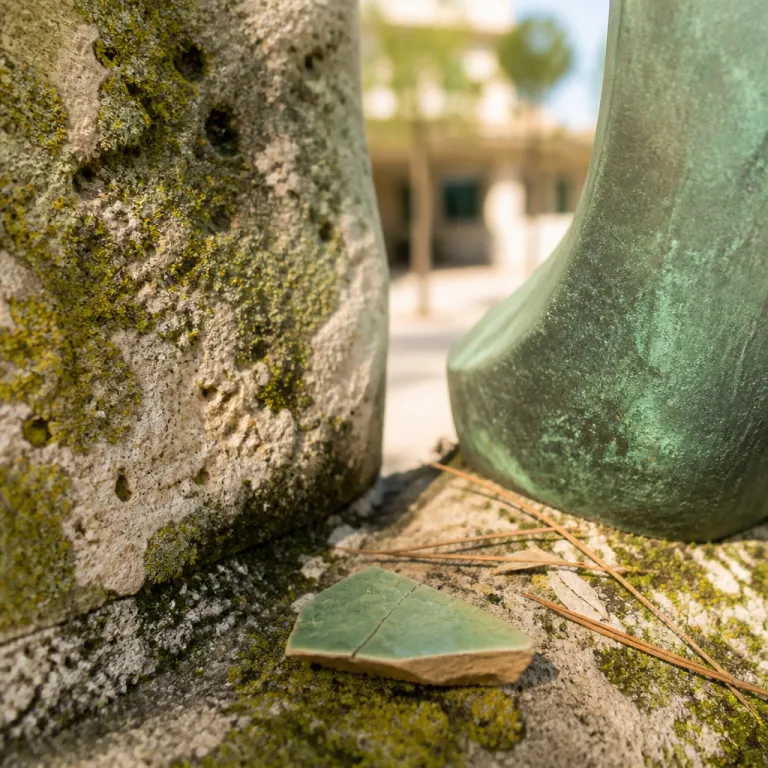
Es Baluard’s fortress walls and the shape of a modern museu
Es Baluard Museu d’Art Contemporani de Palma sits inside a 16th century bastion that once guarded the Bay of Palma. The transformation of this Renaissance fortress into a light filled art museum mirrors how Palma Mallorca itself has shifted from defensive outpost to confident cultural capital of the Balearic Islands. Walk the ramparts and you feel how stone, sea and sky frame every work of contemporary art inside, turning the building into part of the collection rather than a neutral container.
The architects threaded glass walkways and modern concrete volumes through the original sant Pere walls, creating a dialogue between past centuries and modern contemporani lines. This contrast is central to the identity of the baluard museu, where the weight of history anchors the most experimental works and where the museu art narrative is always about continuity rather than rupture. For luxury travelers staying in Palma contemporary properties nearby, the short stroll from a design led lobby to this fortress museum baluard is a reminder that art culture here is lived at street level, not kept behind velvet ropes.
From the terraces you look across the marina towards the cathedral and out to the Balearic Islands horizon, a view that explains why so many artists chose Mallorca as a studio. The panorama over Porta de Santa Catalina and the fishing quarter of Santa Catalina below gives context to the paintings, photographs and installations that explore island life in both modern and contemporary registers. This elevated vantage point also makes Es Baluard an ideal first stop for business leisure guests, orienting you physically in Palma Mallorca before you dive into the more intimate art museums and galleries scattered through the old town.
A collection that maps Balearic art from Miró to contemporani Palma
Inside, Es Baluard’s collection of more than 900 works traces how Balearic artists have engaged with wider currents in European modern art while keeping a distinct island voice. You move from early twentieth century canvases to modern contemporary photography and video, seeing how light, coastline and port life in Palma Mallorca recur as subjects across generations. The curatorial team uses these works to position the Balearic Islands not as a peripheral resort but as a serious node in the map of art museums in Spain and the Mediterranean.
Major names such as Miró and Picasso sit alongside lesser known Balearic and Spanish artists, making the museu art holdings feel both international and deeply local. This balance is what makes Es Baluard Museu d’Art Contemporani de Palma more than a regional art museum, since it shows how island painters and sculptors absorbed modern contemporani movements without losing their own cultural references. For travelers planning when to visit Palma for culture rather than beaches, pairing a morning here with guidance from a resource such as a timing guide to Palma elegance and coastal calm helps you align your stay with key exhibitions.
The narrative thread running through the collection is Mediterranean identity, from fishing scenes near Porta Santa Catalina to abstracted seascapes that reduce the Balearic horizon to bands of colour. Curators highlight how contemporani Palma voices respond to tourism, urban change and environmental pressure, themes that resonate strongly with guests choosing higher end hotels that prioritise sustainability. As you move between galleries, the sense grows that this art modern journey is also a mirror for Mallorca’s own shift from mass tourism to a more thoughtful, cultural model of travel.
How curators frame Balearic identity through exhibitions and events
The curatorial strategy at Es Baluard is explicit about using contemporary art to articulate what it means to live in the Balearic Islands today. Rotating exhibitions draw from the permanent collection and from loans to stage conversations between generations of artists, often pairing early twentieth century works with very recent installations. This approach underlines how questions of migration, sea routes and seasonal economies have shaped island life across more than one century.
Educational programs and guided visits emphasise that the museum’s mission is to promote local art, educate the public and foster cultural dialogue between Mallorca and the wider world. Officially, the team describes Es Baluard as follows : “A contemporary art museum in Palma, Spain.” and they add precise context when asked key questions such as “When was Es Baluard established?” and “How many artworks does Es Baluard have?,” answering : “January 30, 2004.” and “Over 900 pieces.”. For travelers, those numbers translate into a dense but manageable collection, one you can explore in a focused two hour visit between meetings or as part of a longer cultural itinerary.
Temporary exhibitions and events often spotlight contemporani Palma artists who address tourism, housing and climate in ways that feel especially relevant if you are staying in a waterfront hotel or attending a conference nearby. When the beach loses its appeal on a hot afternoon, this is exactly the kind of indoor cultural plan that rewards your time, and resources such as this guide to what to do in Mallorca beyond the beach often place Es Baluard high on the list. By engaging directly with these themes, the museum baluard becomes a forum where visitors and residents can reflect together on the future of the Balearic Islands.
The terrace, the bay and why the view matters for luxury travelers
Step out onto the upper terrace and the logic of building an art museum into a fortress wall becomes immediately clear. The sweep of the Bay of Palma, the cathedral’s sandstone bulk and the grid of marinas below form a living backdrop to the works you have just seen. This view is not a postcard ; it is a visual essay on how geography, trade and light have shaped Balearic culture and the art modern language that expresses it.
From here you can trace the line from the historic Porta de Santa Catalina to the contemporary waterfront, reading the city as a palimpsest of centuries layered one over another. Luxury hotel guests often time their visit to coincide with late afternoon, when the sun drops behind the hills and the stone of the sant Pere bastion glows, echoing tones found in many modern art canvases inside. For those arriving by yacht or staying in marina facing suites, the perspective from Es Baluard’s terrace completes the picture, connecting sea level glamour with the deeper cultural currents of Palma contemporary life.
This is also where the museum’s role in Palma’s repositioning as a year round cultural destination becomes tangible, as you look out at a city investing in art museums, galleries and performance spaces rather than only beach clubs. Business leisure travelers can move seamlessly from a morning strategy session in a conference room to an evening event here, perhaps followed by a curated nightlife experience linked with a yacht charter and luxury hotel stay in the wider Balearic Islands. In that sense, the terrace is not just a viewpoint but a hinge between work, leisure and the cultural identity that underpins both.
Planning your visit : from Santa Catalina to the Sant Jaume gallery circuit
Es Baluard stands at Porta de Santa Catalina, a threshold between the old fishermen’s quarter of Santa Catalina and the formal grid of central Palma. This location makes it an ideal anchor for a day that combines contemporary art with gastronomy and shopping, especially if you are based in a nearby luxury hotel. You can start with the museum baluard, continue through the Sant Jaume and Passeig del Born gallery circuit, then return to Santa Catalina for dinner in one of its increasingly refined restaurants.
For travelers who prioritise culture, the esbaluard org website is the authoritative place to check current exhibitions, events and guided tour schedules before you book tickets or align your meetings. The institution’s collaborations with partners such as Fundació d’Art Serra, Palma City Council and the Government of the Balearic Islands ensure a steady rhythm of exhibitions that connect local artists with international peers. As you plan, remember that this is not only a space for contemporary art but also a hub for art culture in Mallorca, with talks, screenings and educational programs that can enrich a business trip extension.
Practical details matter for a smooth visit, especially when your time between check out and a flight is limited and you want to see one more art museum. Es Baluard’s position near major roads and the waterfront means transfers from premium hotels or the port are quick, leaving more time for the collection itself and for any special exhibitions on modern contemporary themes. Combine this with a stroll through nearby art museums and galleries, and you will have a rounded sense of how Palma Mallorca expresses its identity through both historic works and the most experimental contemporani creations.
FAQ
What is Es Baluard and where is it located in Palma ?
Es Baluard is a contemporary art museum housed in a former 16th century fortress overlooking the Bay of Palma. It sits at Porta de Santa Catalina, on the edge of the Santa Catalina neighbourhood and within easy reach of central Palma hotels. The address places it between the marina and the historic centre, making it convenient for both leisure and business travelers.
How much time should I plan for the Es Baluard collection ?
A focused visit to the permanent collection and one temporary exhibition typically takes between ninety minutes and two hours. Art enthusiasts who like to read wall texts and explore the terrace views may want closer to three hours, especially if they also browse the museum shop. This timing fits well between meetings or before a late afternoon check in at a nearby luxury property.
Why is Es Baluard important for understanding Balearic identity ?
The collection brings together more than 900 works by Balearic, Spanish and Mediterranean artists who respond to island themes such as sea routes, tourism and light. By showing both modern art and contemporary installations, the museum reveals how these concerns have evolved across the last century without losing their local specificity. For visitors, it offers a concise visual history of how Mallorca and the wider Balearic Islands see themselves and are seen by others.
Can I combine Es Baluard with other cultural visits in Palma ?
Yes, the museum’s location near the Sant Jaume and Passeig del Born gallery circuit makes it easy to build a full cultural day. Many travelers start at Es Baluard, then walk into the old town to visit smaller art museums, private galleries and historic sites. The proximity to Santa Catalina also allows you to end with a refined meal that reflects the same contemporary Palma energy found in the exhibitions.
Is Es Baluard suitable for a business leisure schedule ?
The museum’s compact size, central location and clear wayfinding make it ideal for business travelers extending a stay. You can schedule a guided tour between meetings, use the terrace as an informal networking space or attend evening events that align with your corporate calendar. High end hotels in Palma often recommend Es Baluard as the most efficient way to access the city’s cultural core without sacrificing limited time.