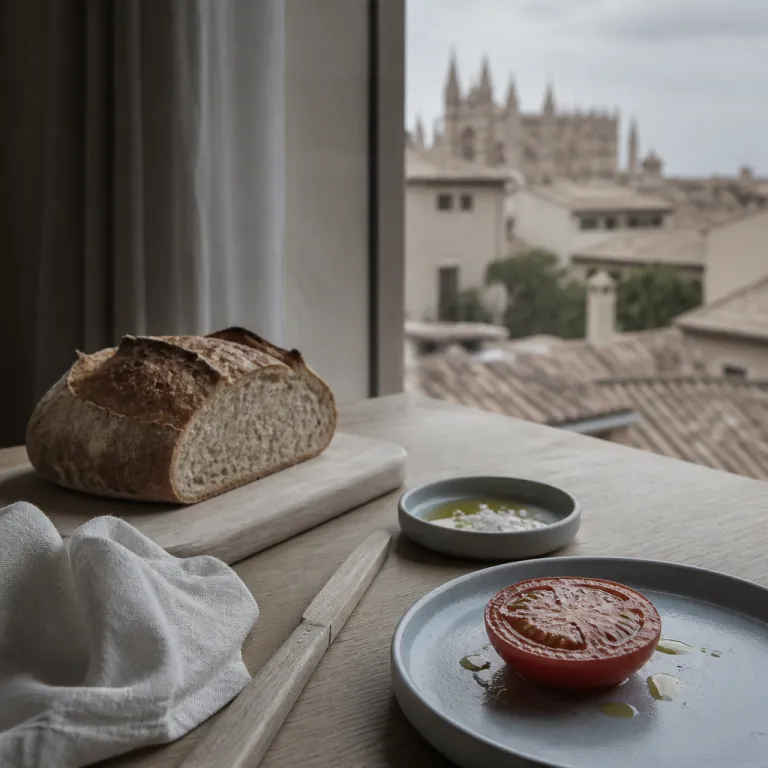
Pa amb oli in Palma de Mallorca: a taste that defines your stay
Pa amb oli is far more than bread with oil in Palma. This humble Mallorcan ritual quietly shapes how luxury travellers experience the island and its most refined hotels. In the capital city of Palma de Mallorca, many leading five star properties now treat pa amb oli as a signature cultural touchstone, from Sant Francesc Hotel Singular and Es Princep to Hotel Cappuccino (all listed in regional tourism and hotel guides).
When you book a premium room overlooking the sea, you are also booking a front row seat to Mallorca culture. Concierges at upscale hotels frequently arrange private tastings where pa amb oli becomes a guided journey through local bread, extra virgin olive oil, and ramellet tomato. In a city known for its Gothic cathedral and beaches, pa amb oli offers a quieter, more intimate way to feel the Balearic spirit.
Palma is Mallorca's capital. Is Palma de Mallorca worth visiting? Yes, for its history and culture. What language is spoken in Palma? Spanish and Catalan, with Mallorquí (a local Catalan variety) widely heard in everyday life, as noted in Balearic language policy documents.
Luxury hoteliers in Palma understand that guests now seek authenticity alongside comfort. They curate pa amb oli experiences that highlight the island landscape, from the sea salt carried on the breeze to the stone terraces where olive oil has been produced for more than a century. As one Palma executive chef explained in a 2023 local gastronomy interview, “If we serve pa amb oli without telling the story of the farmers, the mills, and the bakers, we are only offering bread and oil, not Mallorca.” When a sommelier explains how bread and oil pairings change with different local varieties, the simple plate of toasted bread and tomato becomes a refined tasting menu in miniature.
For travellers comparing premium hotels across Spain, this focus on pa amb oli in Palma de Mallorca can be a decisive detail. A property that serves only generic bread and oil at breakfast feels disconnected from the island, while one that presents carefully cut bread, brushed with tomato pulp and finished with local sea salt, signals deep respect for place. On dedicated luxury booking websites for the Balearic Islands, you will often see pa amb oli mentioned alongside spa facilities and sea view suites, because it now ranks as a core part of the guest narrative.
From market to marble lobby: how hotels elevate pa amb oli
In Palma, the journey of pa amb oli often begins in the markets rather than in the hotel kitchen. Executive chefs walk through Mercat de l’Olivar or Santa Catalina early in the morning, selecting ramellet tomato strings and tasting different olive oil samples from small Mallorca producers such as Solivellas or Aubocassa (both cited in regional olive oil awards). This direct contact with local farmers helps them refine a pa amb oli recipe that feels both traditional and luxurious.
Once back in the hotel, the transformation from rustic snack to elegant ritual takes place. In premium properties, the bread is usually a dense country loaf, baked with a crust that can handle generous olive oil without collapsing, then served as either thick toast slices or delicate bread-cut soldiers. Some chefs infuse the extra virgin olive oil with herbs from the island, while others keep it pure, letting the combination of tomato, oil, and sea salt speak for itself.
For couples planning refined Mediterranean celebrations, pa amb oli has even entered the world of event design. Many luxury planners now include a pa amb oli station in high end receptions, especially when using exclusive Mallorca Spain wedding venues for refined Mediterranean celebrations. Guests move between marble bars and candlelit terraces, pa amb oli in hand, while the sea breeze carries the scent of olive groves and the nearby harbour.
For travellers arriving from other parts of Spain, the first pa amb oli in Palma can feel surprisingly complex. The balance between the sweetness of ramellet tomato, the peppery hit of extra virgin olive oil, and the crunch of well toasted bread is carefully calibrated by chefs who treat this plate as seriously as any tasting menu course. On luxury booking platforms, you will sometimes see pa amb oli described in tasting notes, with references to specific olive oil estates, bread recipes, and even the altitude where the olives were grown.
Seasonality also plays a role, especially around late autumn and early winter. Many hotels highlight the new olive oil pressing that arrives around November, presenting limited edition pa amb oli tastings that showcase the freshest oil of the year. For guests who return to Palma de Mallorca regularly, these seasonal pa amb oli variations become part of their personal travel calendar, as important as room categories or spa appointments.
Streets of Palma: pa amb oli between cathedral stones and sea views
Step outside your hotel and the streets of Palma quickly reveal how deeply pa amb oli is woven into daily life. In the old town, between the Gothic cathedral and the Arab baths, small cafés serve pa amb oli to office workers, families, and visitors sharing the same wooden tables. This everyday presence means that luxury travellers can taste Mallorcan bread with tomato and olive oil in both Michelin level dining rooms and simple bars within a few hundred metres.
High end hotels now design walking itineraries that connect architecture, history, and gastronomy through pa amb oli stops. A concierge might suggest a morning route that starts with an early visit to the cathedral, continues through the narrow streets Palma is famous for, and ends with a pa amb oli lunch on a terrace overlooking the sea. For guests interested in design, an architectural walk through Palma from Arab baths to Art Nouveau façades pairs beautifully with a tasting of different bread and olive oil combinations.
In these itineraries, pa amb oli becomes a lens through which to read the island. The bread reflects centuries of grain trade and baking traditions, the olive oil speaks of terraced groves and stone mills, and the tomato hints at agricultural adaptation to the Balearic climate. When you sit on a shaded square, pa amb oli in front of you and the sea just visible at the end of the street, the connection between food, place, and history feels immediate.
Luxury booking websites that specialise in Palma de Mallorca now highlight proximity to authentic pa amb oli bars as a selling point. A suite may offer panoramic sea views, but being able to walk a few minutes to a beloved local bar where pa amb oli is still served on simple plates can be equally persuasive. As one Palma concierge noted in a 2022 hospitality survey, “Guests remember the bar where they shared pa amb oli with locals as clearly as they remember their suite.” For many visitors, the perfect day alternates between the calm of a spa, the cool of historic streets Palma is known for, and the warmth of a pa amb oli shared with locals at sunset.
Inside the plate: ingredients that define pa amb oli excellence
Understanding pa amb oli at luxury level means paying attention to every ingredient on the plate. The bread is usually a rustic loaf with enough structure to absorb generous amounts of oil without losing its shape. When chefs prepare toasted bread for Mallorca style pa amb oli, they often grill it over open flame to add a subtle smokiness that pairs well with the sea air.
The tomato element is where Mallorca truly asserts its identity. Ramellet tomato, a small variety traditionally hung in clusters to dry, brings concentrated flavour and a balance of acidity and sweetness that standard tomato slices cannot match. In many premium hotels, the chef will rub the tomato directly onto the cut surface of the bread, creating a thin layer of tomato pulp that stains the crumb a delicate red.
Oil is the third pillar, and here the island’s olive heritage comes into focus. High end properties favour extra virgin olive oil from Mallorca estates, often specifying the finca on the menu to underline traceability and quality. Some tastings compare different olive oil profiles, from grassy and sharp to round and fruity, allowing guests to understand how each style interacts with the bread and tomato.
Seasoning is deceptively simple yet crucial. A pinch of local sea salt, harvested from Balearic salt pans, sharpens the flavours and ties the plate back to the surrounding sea. When guests drizzle a final thread of extra virgin olive oil over the top, the surface of the bread and oil mixture catches the light, creating an image that appears constantly in travel articles and hotel marketing materials.
Many luxury hotels also offer variations that respect tradition while adding subtle refinement. You might find pa amb oli with local cheese, or versions with cured meats arranged carefully over the tomato and oil base, always keeping the bread, olive oil, and tomato triad at the centre. For travellers who care about provenance, menus often list the century old estates that supply the oil, the specific bakery that provides the bread, and even the hillside where the ramellet tomato plants grow.
Pa amb oli as a storytelling tool for luxury hotel brands
For premium hotels across Mallorca, pa amb oli has become a powerful storytelling device. Instead of relying only on images of pools and sea views, marketing teams now use close up shots of bread surfaces glistening with olive oil and tomato. These visuals communicate warmth, locality, and a sense of shared table that pure architecture cannot always convey.
On specialised booking websites for the Balearic Islands, property descriptions increasingly mention pa amb oli alongside spa menus and concierge services. A hotel might highlight its signature Mallorcan bread and oil recipe, prepared tableside on a terrace facing the sea, as a key part of the guest experience. Articles aimed at high end travellers often describe how a simple plate of bread, oil, and tomato can summarise the island’s culture more effectively than any brochure.
Staff training plays a crucial role in making this narrative credible. When a waiter can explain the difference between two extra virgin olive oils, or a concierge can recommend three local bars where pa amb oli is still prepared in a strictly traditional way, guests feel they are in expert hands. This depth of knowledge builds trust and reinforces the perception that the hotel is genuinely connected to Mallorca culture rather than merely using it as decoration.
Some properties go further by organising small workshops where guests learn to prepare pa amb oli themselves. Under the guidance of a local cook, they toast bread, rub ramellet tomato, season with sea salt, and finish with a generous pour of olive oil from a nearby estate. These sessions often become the most photographed moments of a stay, generating organic content that circulates through social networks and travel articles.
For travellers comparing options across the island, such experiences can tip the balance. A hotel that treats pa amb oli as a living tradition, rooted in local sources and presented with quiet elegance, stands out on any booking platform. Over time, pa amb oli has shifted from being a simple snack to a central narrative thread that ties together food, place, and the refined hospitality that modern guests expect.
Planning your stay: when and where pa amb oli shines brightest
Timing your visit to Palma can subtly change how you experience pa amb oli. During the softer light of late autumn, especially around November, the first pressings of new olive oil arrive and many hotels design special tastings around them. In warmer months, pa amb oli becomes a lighter meal option, perfect for evenings when the sea breeze cools the terraces and the streets of Palma are still lively.
When browsing a luxury booking website focused on the Balearic Islands, pay attention to how each property talks about food. Hotels that mention Mallorcan pa amb oli explicitly, or that reference local bread, olive oil, and tomato producers by name, usually have a stronger connection to the island’s culinary identity. Reading detailed articles and looking closely at each image of pa amb oli, including descriptive alt text that notes elements such as “Mallorcan pa amb oli on rustic bread with ramellet tomato and local olive oil,” can help you sense whether the experience will feel genuinely local or merely decorative.
Location also matters if you want pa amb oli to frame your days. Staying in the historic centre of Palma de Mallorca places you within walking distance of traditional bars, contemporary restaurants, and the waterfront, allowing you to taste different interpretations from breakfast to late night snacks. If you choose a coastal resort elsewhere on the island, consider one that offers easy access to walking routes, such as those described in guides to planning coastal walks from hotel to hotel, so you can pair sea views and rural landscapes with pa amb oli stops in small villages.
For travellers who value cultural immersion, asking the concierge for pa amb oli recommendations can open doors. They may direct you to a family run café where the same recipe has been used for more than a century, or to a contemporary wine bar that serves miniature versions alongside Balearic wines. By weaving these suggestions into your itinerary, pa amb oli becomes a thread that connects mornings in the cathedral quarter, afternoons by the sea, and evenings spent lingering over bread, tomato, and olive oil under the island’s soft light.
Key figures and practical data about Palma and pa amb oli
- Palma de Mallorca has a municipal population of around 416,000 people (2023 estimate, Instituto Nacional de Estadística), making it the largest city in the Balearic Islands and ensuring a wide range of restaurants and hotels for pa amb oli experiences.
- The city’s origins as the Roman settlement of Palmaria, founded around 123–122 BC, and its later Moorish period mean that bread, oil, and sea based trade have shaped local food culture for many centuries, giving pa amb oli deep historical roots (regional historical archives and archaeological studies).
- Palma is recognised as a major Mediterranean city, and tourism growth over recent decades has encouraged luxury hotels to integrate local dishes like pa amb oli into premium offerings to meet rising expectations for authenticity (Balearic tourism board reports and hospitality market analyses).
- The combination of Gothic architecture, such as the cathedral, and modern infrastructure allows travellers to move easily between historic streets and contemporary hotels, making it simple to include pa amb oli tastings in both casual and high end settings (municipal urban planning documents and official city guides).
FAQ about pa amb oli and luxury stays in Palma de Mallorca
What is pa amb oli and why is it important in Palma?
Pa amb oli is a traditional Mallorcan preparation of toasted or fresh bread rubbed with tomato, drizzled with extra virgin olive oil, and sprinkled with sea salt. In Palma, it represents a bridge between everyday life and high end gastronomy, appearing in simple cafés and luxury hotel menus alike. For travellers, it offers a direct, flavourful connection to the island’s agricultural and maritime heritage.
Is Palma de Mallorca worth visiting for food focused luxury travel?
Palma de Mallorca is an excellent destination for travellers who want refined hotels combined with strong local food culture. The city offers high end restaurants, historic markets, and premium hotels that highlight pa amb oli and other regional dishes. This mix allows guests to move easily between tasting menus, casual bars, and curated in house experiences.
Where can I find the best pa amb oli near luxury hotels in Palma?
Many luxury hotels in the historic centre serve excellent pa amb oli in their own restaurants, often using bread and olive oil from selected local producers. Within a short walk, you will also find traditional bars in the old town and along the waterfront that specialise in classic versions. Asking your concierge for personal favourites is usually the most reliable way to reach authentic, high quality spots.
How does pa amb oli differ from other Spanish bread and oil dishes?
While bread and olive oil appear across Spain, pa amb oli in Mallorca is defined by its specific combination of local bread, ramellet tomato, and island produced extra virgin olive oil. The technique of rubbing tomato directly onto the bread and finishing with Balearic sea salt creates a distinct texture and flavour. This makes pa amb oli a uniquely Mallorcan expression rather than a generic Spanish snack.
Can pa amb oli be adapted for special diets in luxury hotels?
Many premium hotels in Palma are accustomed to adapting pa amb oli for different dietary needs. Gluten free breads, lactose free accompaniments, and vegetarian or vegan toppings can usually be arranged with advance notice. Communicating your preferences when booking or at check in allows chefs to prepare a version that respects both tradition and your requirements.