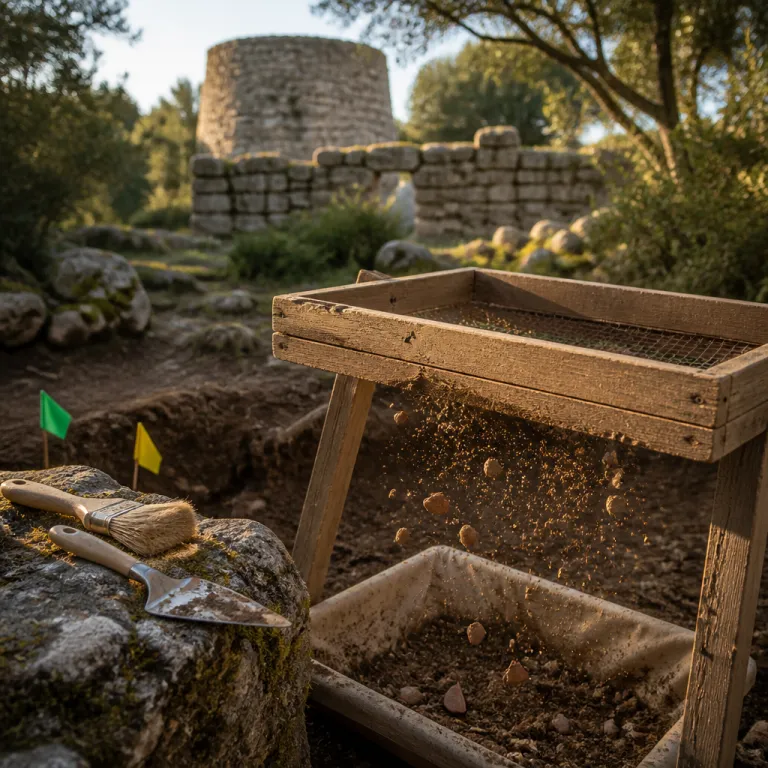
Why menorca talayotic settlements UNESCO heritage sites belong in a luxury itinerary
Menorca looks, at first glance, like the quiet island in the Balearic Islands where you come to sleep, swim, and reset. Yet just inland from the coves, Menorca’s Talayotic cultural landscape, now recognised by UNESCO as a World Heritage Site, forms one of Europe’s densest prehistoric territories, with hundreds of catalogued locations across a compact island of roughly 700 km². This concentration of prehistoric sites means you can move from a design led pool deck to a Bronze Age stone circle in less than fifteen minutes.
The Talayotic culture on the island spans from the Bronze Age to the late Iron Age, running roughly from 1600 BCE until the Roman conquest of the western Mediterranean. These communities built talayots, taula sanctuaries, and navetas using cyclopean dry stone construction, stacking large stone blocks without mortar in a way that still feels improbably precise. When UNESCO added Talayotic Menorca to the global heritage list as a World Heritage Site, it recognised not just individual monuments but a complete cultural landscape shaped over centuries, as described in the official inscription for “Talayotic Menorca: a cyclopean island odyssey.”
For luxury travelers choosing hotels in Menorca, this UNESCO heritage status quietly changes the brief. You are no longer just selecting an island retreat; you are choosing which archaeological sites will frame your mornings and which prehistoric settlement will sit beyond your terrace. Menorca archaeological routes now sit alongside spa menus, and the best properties lean into that, curating private access to a nearby heritage site or arranging twilight walks through clusters of Talayotic remains.
Staying close to stone: where hotels and talayotic sites meet
The most rewarding way to engage with Menorca’s Talayotic sites is to treat them as neighbours rather than excursions. Around Ciutadella, several low rise luxury hotels sit within a short drive of the famous Naveta des Tudons, the best preserved funerary monument of its kind on the island. From a shaded breakfast terrace you can plan a late afternoon visit to this prehistoric tomb, timing your arrival as the tour buses leave and the stone slowly cools; allow around 30 to 45 minutes on site, including the short walk from the parking area.
On the south coast, country estates converted into refined rural hotels place you close to Torre d’en Galmés, often shortened locally to Torre Galmés, one of the largest Talayotic settlements in the Balearic Islands. Here a cluster of talayots, circular house foundations, and a commanding taula sanctuary stretch across a hill with views down to the sea, making it easy to pair a morning of archaeological exploration with an unhurried lunch by the pool. For a deeper sense of place, look for properties highlighted in guides to Menorca’s converted country estates and the finca revival, as these often sit near key heritage sites Menorca has prioritised for careful access.
East of Maó, smaller hotels and refined guesthouses give quick access to Trepucó, an atmospheric Talayotic settlement where a monumental taula rises from a walled sanctuary. Staying nearby lets you visit the site at opening or closing time, when the light softens and the prehistoric stonework feels almost architectural against the sky. In this part of the island, the Talayotic heritage of Menorca is not a distant concept but a pattern of archaeological sites woven between vineyards, dry stone walls, and quiet lanes; most visits take about an hour, including time to follow the signed paths.
From naveta des Tudons to Talatí de Dalt: a curated route through key sites
To understand why menorca talayotic settlements UNESCO heritage sites matter, you need a route that links several different monument types in a single, coherent day. Start near Ciutadella with Naveta des Tudons, sometimes written Naveta des Tudons, whose inverted boat shape shows how Bronze Age communities engineered collective tombs using only dry stone techniques. This archaeological site anchors the western part of the island and pairs well with a later visit to the coastal city’s refined restaurants and low key nightlife; plan roughly 30 minutes for the monument itself, plus driving time.
From there, drive inland towards Torre Galmés, where the scale of the Talayotic settlement becomes clear as you walk between circular house platforms, cisterns, and lookout points. The site’s elevated position suggests a community that understood both defence and visibility, and many archaeologists point to possible astronomical alignments in the way certain structures face the horizon. Expect to spend at least 60 to 90 minutes here, as paths loop between different sectors and the main talayots. A short hop away, Talatí de Dalt offers a more intimate experience, with a leaning taula framed by surrounding stones that feel almost sculptural, especially in the long light of late afternoon; the compact layout makes it easy to explore in about 45 minutes.
On another day, head towards Torralba d’en Salort, often shortened to Torralba Salort, where one of the tallest taulas on the island stands within a sanctuary that still carries a sense of ceremony. Combine this with Son Catlar, whose intact cyclopean wall encircles a Talayotic settlement and shows how communities fortified their space during the later Bronze Age. Between sites, plan long lunches at rural hotels or country restaurants, and consider weaving in a stop on a local cheese route such as those highlighted in Menorca’s cheese caves, cellars, and coastal tables to connect prehistoric landscapes with contemporary island culture.
Reading the stones: what talayotic Menorca reveals about the island
Walking through menorca talayotic settlements UNESCO heritage sites, you start to read the island differently. Talayots, the tower like structures that give the culture its name, often occupy slight rises, suggesting a blend of watchtower, community symbol, and perhaps ritual focus. The taula sanctuaries, with their T shaped monoliths, point to a ceremonial life that may have involved sky watching, feasting, and offerings linked to seasonal cycles.
Archaeological sites such as Trepucó, Talatí de Dalt, and Torralba Salort show how communities organised space, with domestic areas, storage zones, and ritual precincts clearly separated yet visually connected. The density of prehistoric sites across Menorca, estimated by local heritage authorities at more than two monuments per square kilometre, indicates a landscape where settlement, agriculture, and ceremony were tightly interwoven. When you stand inside a taula enclosure at dusk, the alignment of stones, horizon, and stars hints at a prehistoric culture that tracked time and direction with a sophistication that belies the simplicity of the tools.
For travelers used to thinking of Mallorca and Menorca as interchangeable beach twins, this depth of heritage is a quiet corrective. While Mallorca offers its own UNESCO heritage site in the Serra de Tramuntana and Ibiza presents Dalt Vila, only Menorca’s UNESCO status focuses on a prehistoric culture preserved at landscape scale. The Island Council of Menorca (Consell Insular de Menorca) now manages these heritage sites in partnership with UNESCO, and their work ensures that when you visit a Talayotic settlement today, you are stepping into a carefully protected archaeological site rather than an overrun attraction.
How to visit: timing, logistics, and weaving sites into a Balearic journey
Planning your route through menorca talayotic settlements UNESCO heritage sites is as much about light and temperature as it is about geography. Early morning and late afternoon are the most rewarding times to visit, when the sun sits low, shadows sharpen the relief of the stone, and summer heat is less intense. Wear comfortable shoes for uneven terrain, carry water, and remember that many prehistoric sites sit on exposed ridges where wind can be surprisingly strong; most paths are short, but you will often walk 10 to 20 minutes between parking areas and the main monuments.
Guided tours offer context that even the best signage cannot match, especially at complex archaeological sites such as Torre Galmés or Son Catlar, where settlement walls, cisterns, and pathways can feel abstract without explanation. Self guided visits, however, suit independent travelers who prefer to move at their own pace and pair a heritage site with a swim or a long lunch. Before you set out, check local tourism resources or the Island Council of Menorca’s channels for up to date access information, as some sites occasionally close for conservation work and many have seasonal opening hours, with last entry typically 30 to 60 minutes before closing during the main season.
If you are combining Mallorca and Menorca in one trip, think of Mallorca Menorca as a cultural pairing rather than just an island hop. Serra de Tramuntana’s terraced slopes and stone villages echo the dry stone construction of Talayotic Menorca, while Menorca archaeological landscapes add a prehistoric layer to your Balearic Islands narrative. For practical planning across the islands, including ferries and the sweet spot between three island itineraries, use resources such as this guide to island hopping, ferries, and budgets in the Balearics, then slot key heritage sites into your days the way you would a favourite cala.
The museum lens: adding context before you walk the sites
Before you immerse yourself in menorca talayotic settlements UNESCO heritage sites on the ground, spend a few hours at the Museu de Menorca in Maó. The museum traces the island’s story from the earliest prehistoric sites through the Talayotic period and into later Phoenician, Roman, and medieval layers. Exhibits include artefacts from Naveta des Tudons, Torre Galmés, and other archaeological sites, allowing you to connect the abstract idea of a Bronze Age community with the tools, ceramics, and ornaments they handled daily.
This context matters when you later stand inside a taula sanctuary or walk the perimeter wall at Son Catlar, the only fully preserved cyclopean fortification on the island. Knowing that the Talayotic period stretched from the Bronze Age into the late Iron Age helps you read changes in construction style between earlier and later settlement phases. The museum also explains how dry stone techniques evolved into the familiar walls that still divide fields today, linking the prehistoric settlement patterns with the contemporary rural landscape you drive through to reach your hotels.
UNESCO summarises the significance of this heritage succinctly in its own explanatory material: “What are Talayotic structures? Prehistoric stone monuments unique to Menorca. Why did UNESCO recognize Menorca's sites? For their exceptional prehistoric significance. How can I visit these sites? Access varies; consult local tourism resources.” With that in mind, you can treat each heritage site not as an isolated monument but as part of a living cultural fabric that still shapes how the island is farmed, walked, and quietly enjoyed. For a solo traveler, this layered understanding turns a simple visit into a richer relationship with Menorca’s landscape and its understated, enduring culture.
FAQ
What exactly are talayotic structures in Menorca ?
Talayotic structures in Menorca are prehistoric stone monuments built using large, unmortared blocks in a technique known as cyclopean dry stone construction. They include talayots, which are tower like buildings, taula sanctuaries with T shaped monoliths, and navetas such as Naveta des Tudons used for collective burials. These monuments form the core of the menorca talayotic settlements UNESCO heritage sites spread across the island.
Why did UNESCO add talayotic Menorca to the World Heritage list ?
UNESCO recognised Talayotic Menorca as a World Heritage Site because the island preserves an exceptionally dense and varied set of prehistoric sites that illustrate community life from the Bronze Age to the late Iron Age. The combination of settlements, sanctuaries, and funerary monuments offers a complete cultural landscape rather than isolated ruins. This level of preservation and diversity is rare in the Mediterranean and gives the Balearic Islands a distinctive archaeological identity.
How many talayotic sites can I visit during a short stay ?
On a three or four night stay you can comfortably visit four to six key archaeological sites without sacrificing beach time or hotel relaxation. A balanced itinerary might include Naveta des Tudons, Torre Galmés, Talatí de Dalt, Torralba Salort, Trepucó, and Son Catlar, each showing a different aspect of Talayotic settlement and ritual life. Many travelers choose two sites per day, one in the cooler morning and one towards sunset.
Do I need a guide to appreciate the talayotic settlements ?
A guide is not strictly necessary, as most major sites have basic interpretation panels, but expert guidance can transform how you read the stones. At complex settlements such as Torre Galmés or Son Catlar, a guide can explain water systems, defensive walls, and possible astronomical alignments that are easy to miss alone. Independent travelers often mix one guided visit for context with several self guided walks at smaller sites.
How do Menorca’s talayotic sites compare with heritage in Mallorca and Ibiza ?
Menorca focuses on prehistoric Talayotic settlements, while Mallorca’s UNESCO heritage site is the Serra de Tramuntana cultural landscape and Ibiza’s is the fortified Dalt Vila and surrounding marine areas. In practice, this means Menorca offers Bronze Age and Iron Age settlements, taulas, and navetas, whereas Mallorca and Ibiza highlight later historical periods and different types of heritage. Combining Mallorca and Menorca in one trip gives you a broad view of Balearic culture, from ancient stone towers to terraced mountains and Renaissance walls.