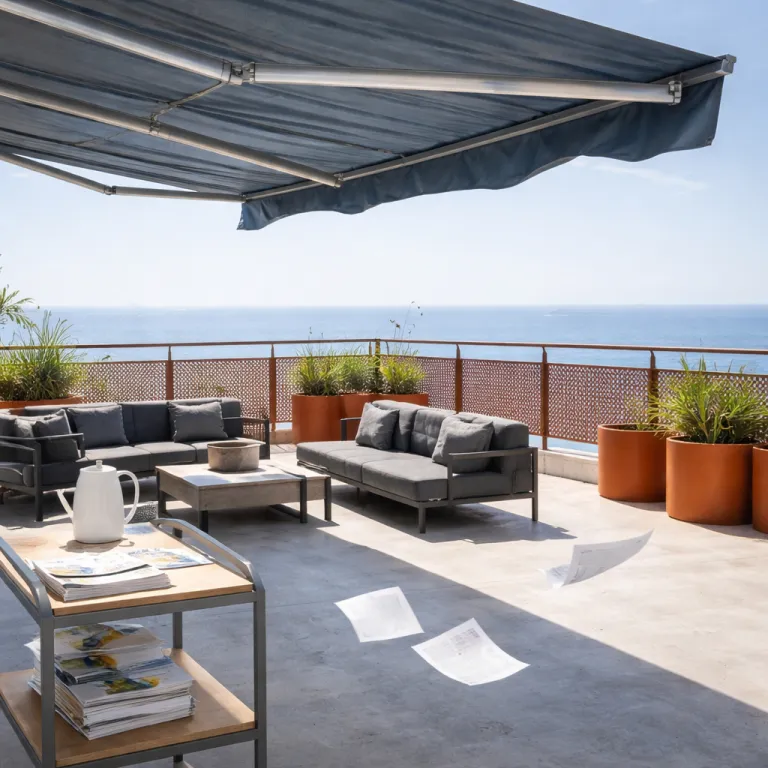
Why the Balearic Islands work so well for remote workers
Mornings in the Balearic Islands start with light on limestone cliffs and the quiet hum of cafés opening along the marina. For remote workers, this island rhythm pairs surprisingly well with serious work, because the Central European Time zone keeps you aligned with most European cities while still overlapping with the US East Coast. That balance makes remote work in the Balearic Islands coworking ecosystem feel both productive and indulgent, especially when your first video call happens with the sea just beyond the terrace.
Mallorca leads the archipelago for infrastructure, and Palma de Mallorca in particular has become an anchor for digital nomads who want reliable services rather than a seasonal scene. The city’s compact areas around Santa Catalina, La Lonja and the old town concentrate coworking spaces, cafés with high speed internet and long stay apartments, so you can walk from your coworking space to your hotel in under ten minutes. According to 2023 route data from Palma de Mallorca Airport (AENA), the island connects to more than 150 destinations in high season, and compared with other Mediterranean islands, Mallorca offers frequent year round flights, extensive fibre internet coverage inland and a cost of living that undercuts many northern European cities while still delivering a high quality of life.
Remote work here is not just about swapping your office for a palm tree backdrop; it is about structuring a month or more where work, sea and city life coexist smoothly. Many remote workers now design their plans and prices around the Spanish digital nomad visa, introduced under Spain’s 2022 Startup Law and detailed on official government portals such as the Ministry of Economic Affairs and Digital Transformation, which allows non EU citizens to base themselves legally in Spain while working for international clients. That legal clarity, combined with the Balearic Islands’ mild climate and strong sense of community among digital nomads, makes the region an ideal base rather than a fleeting escape.
Palma’s sea view coworking spaces and where to stay nearby
Palma is where remote work in the Balearic Islands coworking landscape feels most established, and the city’s waterfront is dotted with spaces that look straight onto the bay. THE HUB CO-SPACES offers sea view workspaces in Palma, pairing ergonomic desks with lounge areas that feel more yacht club than office. For remote workers who want to walk from a luxury hotel suite to a coworking space in five minutes, the stretch between Paseo Marítimo and the cathedral is ideal.
Just along the coast, eWave Mallorca sits about 100 metres from the sea and blends coworking and co living, which suits solo digital nomads who prefer a ready made community. Baysense Coworking in Playa de Palma adds another option for those who like to work near the beach but sleep in a quieter hotel inland, and all three spaces provide high speed internet, meeting rooms and office equipment as standard. As a rough guide, hot desk memberships in Palma often start around €20–€30 per day or €150–€250 per month as of early 2024, with dedicated desks and private offices priced higher, and when you compare Palma Mallorca with other European cities that market themselves to digital nomads, the density of sea facing coworking spaces within such a compact urban area is a genuine advantage.
If you are torn between Ibiza and Mallorca for your next extended stay, it is worth reading a detailed comparison of which island suits a longer remote work base. For most remote workers who prioritise coworking spaces, Palma’s mix of international flight connections, varied hotel inventory and established digital nomad community makes it the safer first choice. Ibiza town is catching up with smaller coworking space options, but for now Palma still offers the best coworking concentration, especially if you want several spaces in Palma within walking distance of your hotel.
Work from hotel packages: when your suite becomes your office
The most interesting shift in remote work in the Balearic Islands coworking scene is happening inside hotels rather than only in dedicated offices. Several luxury properties in Mallorca now offer work from hotel packages that turn a junior suite into a private coworking space, complete with an adjustable desk, ergonomic chair and guaranteed speed internet, often advertised at 200–600 Mbps download with a 4G or 5G backup line. For remote workers who value privacy and quiet as much as sea views, this hybrid model can be perfect.
Typically, these packages include access to small meeting rooms for client calls, printing services and sometimes even a dedicated concierge who can arrange airport transfers or last minute restaurant bookings between calls. Long stay plans and prices often start at one or two weeks, with a noticeable discount if you commit to a full month, and some hotels quietly negotiate even better rates for digital nomads willing to stay the season. In Palma and along the southwest coast of Mallorca, several five star properties now market these services directly to international guests who combine board meetings with Balearic sunsets, and sample rates for work from hotel stays can range from around €120–€180 per night in shoulder season (April–May and late September–October) to significantly higher in July and August.
When you need a change of scene from your room, you can always shift to a nearby coworking space such as Nidus Coworking or one of the sea facing spaces in Palma, then return to your hotel pool for a late swim. On days when work ends early, adults only pool clubs in Mallorca offer a refined way to decompress, and guides to serene Mediterranean pool days can help you choose the right setting. The key is to treat the island as a flexible campus of spaces Palma wide, moving between coworking spaces, hotel lounges and shaded terraces depending on your schedule.
Designing a remote work retreat: from team dynamics to sea air
For teams planning a remote work retreat, the Balearic Islands offer a rare combination of logistics and atmosphere. Organisers typically structure a one to two week stay, with day one dedicated to arrivals and set up, several days of focused work sessions and a final day reserved for team building activities on the water or in the Serra de Tramuntana. That rhythm allows serious work while still justifying the flight, and it turns remote work in the Balearic Islands coworking ecosystem into a shared experience rather than a solo experiment.
In Palma, you can book entire coworking spaces or reserve dedicated areas within them, using high speed internet, meeting rooms and office equipment as your operational backbone. Local partners such as event planners and travel agencies help coordinate transfers between the airport, hotels and coworking spaces, while hotels handle catering and breakout spaces for workshops. Many teams now blend formal sessions in a coworking space with informal discussions on a hotel terrace, which keeps the cost of the retreat reasonable while maximising the perceived quality of life for participants.
Practicalities still matter; you should book accommodation early, check current health guidelines and arrange transportation in advance, especially in peak months. Spain’s digital nomad visa framework, which according to Spain’s Ministry of Economic Affairs can initially grant up to one year of residence with options to extend, also makes it easier for non EU team members to extend their stay beyond the retreat, turning a short visit into a longer remote work base on the island. For companies comparing this option with other European cities, the combination of Mediterranean climate, strong internet coverage and a growing international community of digital nomads in Mallorca offers a compelling return on both morale and productivity.
Hidden island routines: balancing cost of living, lifestyle and community
Once the novelty of sea view calls fades, what keeps remote workers in the Balearic Islands is the daily routine. In Palma, mornings might start in a coworking space with high speed internet, a quick break for a cortado in the sun and then a late afternoon swim at a nearby cala before returning to your laptop. That balance between focused work and easy access to the sea underpins the region’s reputation for quality of life among digital nomads.
Cost of living is higher than in some mainland Spanish cities, but still competitive when compared with northern European cities that attract remote workers. Mallorca offers a broad range of rental options, from city apartments near coworking spaces Palma wide to fincas inland, and many digital nomads offset accommodation costs by staying slightly outside the most touristed areas. When you factor in the cost of coworking space memberships, long stay hotel offers and everyday expenses, the overall cost can be similar to Lisbon or Berlin while delivering a very different island lifestyle.
The social side matters as much as the spreadsheets; regular meetups, language exchanges and informal gatherings in Palma’s cafés help new arrivals plug into the community quickly. Remote workers often rotate between different coworking spaces to widen their network, using one space for quiet focus and another for more social days, and Nidus Coworking is frequently mentioned in that mix. As one Palma based community manager put it during a recent meetup, “People come for the sea views, but they stay because they find a rhythm that makes work feel lighter,” and for those who crave wilder landscapes on their days off, a kayak or sail trip to the more secluded coves of Formentera, such as those highlighted in this guide to reaching hidden coves by sea, can reset your perspective before Monday’s calls.
Practical tips: visas, connectivity and choosing your coworking base
Spain’s digital nomad visa, created under the country’s startup legislation, is a central reason remote work in the Balearic Islands coworking ecosystem has accelerated. The visa allows non EU citizens who work for companies outside Spain, or run their own international businesses, to reside legally in Spain while paying a favourable tax rate for a defined period, and official guidance from Spanish consulates outlines income thresholds and documentation requirements. For many digital nomads, that legal framework justifies committing to a full month or longer on the island rather than a short stay.
Connectivity is strong across Palma and the main coastal towns, with high speed fibre internet standard in most coworking spaces and many hotels. When you evaluate coworking spaces, look beyond the headline speed internet figure and pay attention to backup connections, quiet zones and the availability of private meeting rooms for client calls. Some spaces digital by design, such as those along the Palma waterfront, also offer flexible plans and prices that let you scale up from a few days per month to a full time desk as your routine settles.
When choosing your base, decide whether you want to be in the heart of Palma’s old town, close to the marina or in a quieter residential area with easier parking. Remote workers who travel frequently often prefer locations near the airport bus line, with the EMT A1 service taking around 20–25 minutes between the airport and central Palma, while long term digital nomads may prioritise neighbourhood cafés and local markets over quick transfers. As one local summary puts it succinctly, “What are the best co-working spaces in Palma? THE HUB CO-SPACES, eWave Mallorca, and Baysense Coworking,” and you can usually confirm current prices, internet speeds and booking conditions directly on each provider’s official website or by email.
Key figures for planning your Balearic remote work stay
- The average temperature in May in Palma is around 20 °C, according to Weather.com’s climate data for Palma de Mallorca accessed in 2024, which makes shoulder season an attractive time for remote workers who prefer mild conditions over peak summer heat.
- Palma currently counts around ten established coworking spaces, based on 2024 listings from platforms such as Coworker.com and Google Maps, giving remote workers multiple options for choosing the best coworking environment for their style of work.
- Typical remote work retreats in the Balearic Islands run for one to two weeks, with structured work sessions on most days and at least one dedicated day for team building activities on land or at sea.
- Many coworking spaces in Palma include high speed internet, meeting rooms and office equipment in their base membership, which reduces the additional cost of setting up a temporary office for a distributed team.
- Remote workers who commit to a full month on Mallorca often benefit from lower long stay accommodation rates and more flexible coworking space plans, improving the overall cost to quality of life ratio compared with shorter visits.
FAQ about remote work retreats and coworking in the Balearic Islands
What are the best co-working spaces in Palma for sea views ?
Several coworking spaces in Palma offer sea views, including THE HUB CO-SPACES along the waterfront and eWave Mallorca, which sits about 100 metres from the sea. Baysense Coworking in Playa de Palma also provides workspaces with views towards the bay, pairing them with high speed internet and meeting rooms. These options suit remote workers who want a visual connection to the sea without sacrificing professional infrastructure.
Are there co-working spaces with sea views in the wider Balearic Islands ?
Yes, there are coworking spaces with sea views beyond central Palma, particularly in coastal areas of Mallorca such as Playa de Palma and along the southwest coast. These spaces often combine open plan desks with terraces or large windows facing the water, which makes them ideal for digital nomads who value natural light. Availability can be seasonal in smaller towns, so it is wise to confirm opening months, current prices and winter schedules directly with each venue before planning a long stay.
What amenities do Palma coworking spaces usually include for remote workers ?
Most established coworking spaces in Palma include high speed internet, meeting rooms and basic office equipment such as printers and monitors in their standard memberships. Many also offer phone booths, communal kitchens and access to a community manager who organises events for digital nomads. For teams planning a remote work retreat, it is common to arrange dedicated areas or private rooms for workshops and strategy sessions.
How long should a remote work retreat in the Balearic Islands last ?
Remote work retreats in the Balearic Islands typically last between one and two weeks, which allows enough time for focused work sessions and at least one full day of team building activities. A common structure is day one for arrivals and set up, several days of work and a final day on the water or exploring inland villages. Teams that want deeper integration with the local community sometimes extend their stay to a full month, using coworking spaces as their operational base.
Is the Balearic Islands’ cost of living suitable for long term digital nomads ?
The cost of living in the Balearic Islands, and particularly in Mallorca, is higher than in some mainland Spanish cities but remains competitive compared with many northern European cities popular with digital nomads. Accommodation near the sea and in central Palma commands a premium, but moving slightly inland or choosing long stay hotel offers can reduce monthly costs. When combined with the region’s quality of life, strong internet infrastructure and growing international community, many remote workers find the overall value compelling for a medium to long term stay.