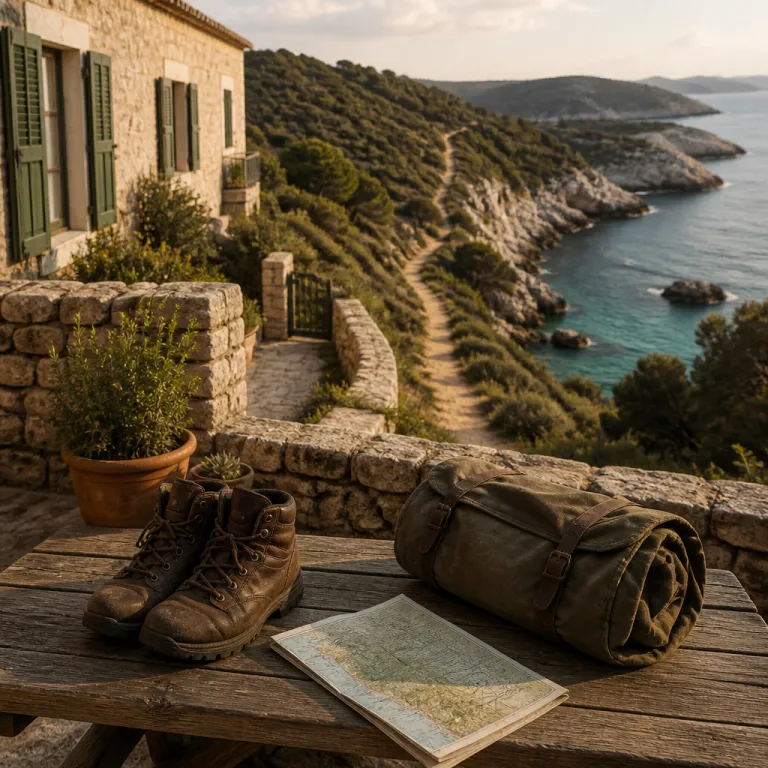
How the Camí de Cavalls frames a hotel to hotel coastal walk
The Camí de Cavalls wraps around the entire island of Menorca in a 185 kilometre loop, linking wild coves, working farmland and quiet fishing hamlets. This historic camí once carried mounted sentries along the coast of Menorca for defense, and today it has become one of the Mediterranean’s most compelling walking holidays for travellers who prefer a comfortable hotel bed at the end of each day. When you plan your own cami de cavalls menorca walking route hotels itinerary, you are really curating a sequence of landscapes, swims and dinners rather than just ticking off kilometres.
The official trail is divided into 20 stages of varying length and difficulty, from gentle coastal walking near Maó to more rugged sections along the north coast of Menorca with loose rock and short climbs. Elevation gain across the full route reaches roughly 4 000 metres, yet most individual stages of the Camí de Cavalls can be tailored into a relaxed day cami of 10 to 15 kilometres between one hotel and the next. The Menorca Tourism Board confirms that “Trail Length: 185 km ; Number of Stages: 20 stages ; Elevation Gain: 4000 meters ; Is the trail well-marked? Yes, marked every 100-150 meters. ; Are there accommodations along the trail? Yes, hotels and guesthouses available. ; What is the best time to hike? Spring and autumn offer mild weather.”
Luxury minded walkers usually select three to five consecutive stages of the cami cavalls rather than committing to the full loop, using high end accommodation as anchor points. You might start near Maó for an easy arrival, then follow the route west towards Son Bou or Cala Galdana, choosing hotels where breakfast included service and refined dinners are standard. Each day’s walk will feel different, because the Camí shifts from dune backed beaches to limestone cliffs, from wetlands near Es Grau to red earth headlands on the coast of Menorca, yet your luggage and transfers can move quietly in the background.
Choosing your 3 to 5 day sampler: from Maó to Cala Galdana
For a first taste of the cami de cavalls menorca walking route hotels experience, the eastern and southern stages between Maó and Cala Galdana work beautifully. You begin in Maó, the island’s capital, where arrival logistics are simple and the harbour views set a maritime tone for the days ahead. From here the Camí de Cavalls leads towards Es Grau and the wetlands of Parc Natural de s’Albufera des Grau, then gradually swings south towards long beaches and sheltered cala inlets.
One elegant three day cami option links Maó to Es Grau, then on to the area near Arenal d’en Castell, and finally down towards Son Bou with a final transfer to a refined hotel near Cala Galdana. This sequence keeps daily walking distances manageable while still sampling the variety of the trail, from the bird rich lagoons near Grau Arenal to the more open coast of Menorca with its pale cliffs and pine forests. If you prefer more time in the south, you can instead focus your walking holidays on the stages cami between Son Bou, Cala en Turqueta, Son Saura and Cala Galdana, using short transfers to reach your chosen accommodation each morning.
Travellers who want to extend their stay often pair this Menorca route with a few days on another Balearic island, using guides such as this one to book a luxury villa in Menorca for an unforgettable Balearic holiday. That approach lets you keep the Camí de Cavalls days focused on the walk and the coast, then shift into a slower rhythm with a private pool and more space once the hiking is done. Whichever stages you choose, remember that the island of Menorca rewards unhurried pacing, so allow time for swims, long lunches and the occasional detour to a quiet cala away from the main trail.
Where to stay along the Camí: hotels, apartments and coastal fincas
Planning cami de cavalls menorca walking route hotels means thinking in terms of clusters rather than isolated properties, because the trail rarely passes directly through resort centres. Around Maó and Es Grau you will find characterful townhouses and rural hotels apartments set back from the coast, which work well for the first night and the second today stage. Moving west, the area around Arenal d’en Castell and Son Parc offers larger resort style accommodation, where you can request breakfast included and late check out to match your walking schedule.
On the south coast of Menorca, the trio of Son Bou, Cala en Bosc and Son Xoriguer forms a practical base for several stages cami, especially if you prefer to stay put and use short transfers to and from the trail each day. Here the beaches are long and shallow, the walking is generally easier, and the hotels range from discreet adults only properties to family friendly hotels apartments with generous pools. Further west, Cala Galdana sits in a deep horseshoe bay and has become a favourite for walkers who want a single high comfort hotel and flexible day cami excursions to Son Saura, Cala Turqueta or Macarella.
The north coast of Menorca feels wilder and more remote, yet there are still strategic places to sleep between sections of cavalls north. Cala Morell has a low key residential feel with whitewashed villas and small hotels, while Ses Salines near Fornells offers sea facing accommodation and excellent seafood for post hike dinners. If you are curious about the island’s food culture, you can even weave in a rest day around a trail through Menorca’s cheese caves and coastal tables, pairing your walking holidays with tastings of Mahón cheese and local wines.
Logistics, luggage and the rhythm of a walking holiday
The most seamless cami de cavalls menorca walking route hotels itineraries rely on good logistics, so think about transfers and luggage before you fall in love with specific properties. Several local companies now specialise in moving bags between hotels on the island of Menorca, allowing you to walk with only a day pack while your suitcase travels by road. When you book, confirm that each hotel understands your arrival window and is comfortable receiving luggage in advance, especially in smaller coastal villages.
Waymarking on the Camí de Cavalls is generally excellent, with wooden posts and red and white flashes every 100 to 150 metres, yet carrying a digital map or GPS track remains wise. Water points are not evenly spaced along the coast of Menorca, so you should start each day cami with at least two litres, more in the height of the tourist season when temperatures rise. The Menorca Tourism Board and local tour operators provide interactive maps that show access points, beaches and emergency exits from the trail, which is particularly useful on the more exposed cavalls north sections.
From a financial perspective, remember that Spain applies a tourist tax on overnight stays, which will appear on your hotel bill whether you choose rural fincas or larger hotels apartments. This tax is modest yet worth factoring into your budget, especially for longer walking holidays with multiple nights in premium accommodation. If you are curious about extending your Balearic journey beyond Menorca, you can look at guides to Mallorca beaches for luxury travellers seeking serene Mediterranean stays, then compare how each island handles the balance between natural landscapes and high end hospitality.
When to walk, what you will see and how to pace yourself
Season matters on the Camí de Cavalls, both for comfort and for how the island of Menorca feels underfoot. Spring and autumn bring mild temperatures, quieter beaches and a softer light that flatters the red earth cliffs of the north and the pale limestone of the south. During the peak tourist season the same route can feel harsher, with stronger sun on exposed headlands and busier stretches near major resort beaches such as Son Bou or Son Xoriguer.
As you walk, the variety of landscapes is what stays with most travellers long after the final arrival back in Maó or Ciutadella. One day you might follow the trail through wetlands near Grau Arenal, watching migratory birds lift from the reeds, while the next today stage leads you along rocky coves towards Cala Morell or the sculpted bay of Cala Galdana. Between these coastal sections, the Camí de Cavalls often cuts inland past dry stone walls, small farms and Talayotic ruins, reminding you that this is not just a seaside hike but a thread through Menorca’s cultural history.
Natural highlights cluster along both coasts, from the dunes behind Son Saura to the salt pans around Ses Salines and the long arc of Arenal d’en Castell on the north coast of Menorca. Many walkers choose to slow down on their favourite stretch, perhaps spending two nights in the same hotel near Cala Galdana or Arenal d’en Castell to allow for a rest day between stages cami. That flexibility is the real luxury of cami de cavalls menorca walking route hotels planning, because you can match the rhythm of the island to your own energy rather than chasing a fixed schedule.
Menorca serenity spots: pairing the Camí with restorative stays
For the solo explorer, the appeal of cami de cavalls menorca walking route hotels lies as much in the quiet moments as in the kilometres covered. Early in the day, before the sun climbs, the path near Es Grau or Grau Arenal can feel almost private, with only the sound of your footsteps and the sea against the rocks. Later, after a long walk between coves such as Son Saura and Cala en Turqueta, returning to a calm hotel terrace with a cold drink becomes its own kind of Menorca serenity spot.
On the south coast of Menorca, look for properties set slightly back from the main resort strips of Son Bou, Son Xoriguer or Cala Galdana, where the atmosphere is quieter and the night sky feels darker. These hotels and apartments often offer breakfast included on shaded patios, letting you start each day cami with strong coffee and fresh fruit before stepping back onto the trail. In the north, smaller accommodations near Cala Morell or Ses Salines give you faster access to the wilder cavalls north stages, where the coast of Menorca feels more remote and the wind carries the scent of rosemary.
Balancing movement and rest is essential on any multi day hike, and the Camí de Cavalls is no exception, even if the island of Menorca looks compact on the map. Plan at least one non walking day in a favourite cala, perhaps extending your stay in a hotel near Arenal d’en Castell or Cala Galdana to swim, read and let your legs recover. When you leave, you will carry not only the memory of the route itself, but also a mental map of quiet terraces, shaded pools and gentle beaches that turned a simple hike into a deeply restorative walking holiday.
FAQ about walking the Camí de Cavalls from hotel to hotel
Is the Camí de Cavalls suitable for first time long distance walkers ?
The Camí de Cavalls is accessible to fit first time walkers, provided you choose shorter stages and avoid the hottest weeks of the tourist season. The terrain varies from easy sandy paths to rockier sections, so good footwear and a realistic daily distance are essential. Many beginners opt for three to five days between Maó and Cala Galdana, using luggage transfers and comfortable hotels to keep the experience enjoyable.
How far will I walk each day on a hotel to hotel itinerary ?
Most travellers planning cami de cavalls menorca walking route hotels itineraries aim for 10 to 20 kilometres per day, depending on fitness and daylight. The official stages cami range from shorter coastal hops to longer inland stretches, and you can combine or split them using road access points. Working with local operators or the Menorca Tourism Board maps helps you match daily distances to available accommodation.
Do I need to book accommodation far in advance along the route ?
Booking ahead is strongly recommended, especially in spring and autumn when walking holidays are popular and in midsummer when beach tourism peaks. Some smaller hotels and apartments near key points such as Son Bou, Arenal d’en Castell or Cala Galdana fill quickly, particularly for weekends. Reserving early also makes it easier to coordinate luggage transfers and ensure that each property can handle your planned arrival time.
Can I walk the Camí de Cavalls all year round ?
The trail is technically open year round, but conditions vary significantly with the season on the island of Menorca. Spring and autumn offer the most comfortable temperatures and quieter beaches, while winter can bring wind and occasional storms on the exposed coast of Menorca. Summer is possible if you start early, carry plenty of water and plan shorter stages, yet many luxury travellers prefer the shoulder seasons for a calmer experience.
Are there guided options or should I walk independently ?
Both approaches work well on the Camí de Cavalls, because the route is well marked and supported by detailed maps. Independent walkers often appreciate the freedom to linger in a favourite cala or adjust today stage on the fly, while guided trips can add context about Talayotic sites, local flora and Menorcan culture. If you value seamless logistics and curated hotel choices, a specialist operator can be worthwhile, but confident hikers will find solo planning entirely feasible.