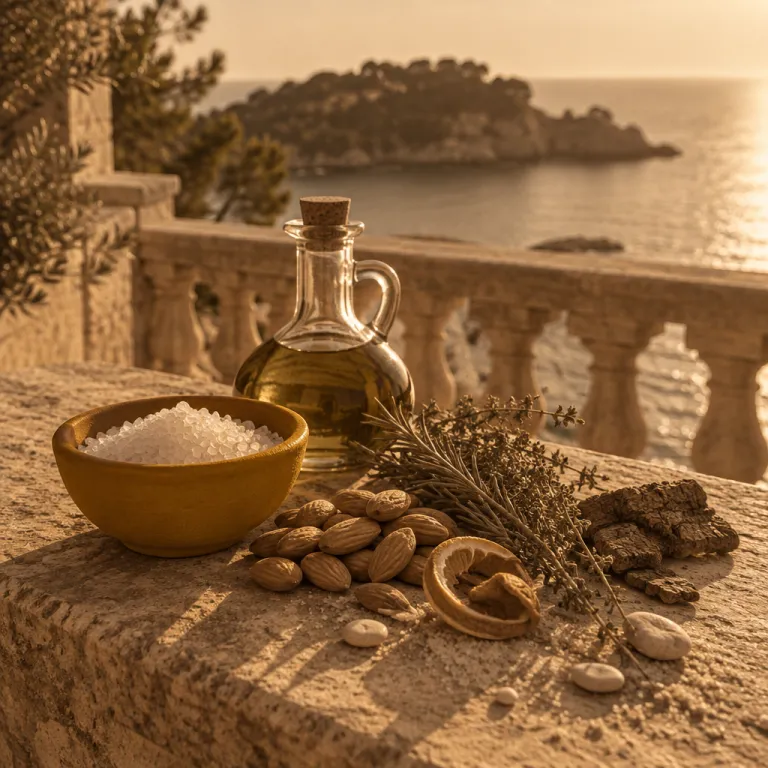
World Tourism Day and the new rules of luxury in the Balearic Islands
World Tourism Day lands gently on the Balearic Islands just as the heat softens and the light turns golden. For a region that has built its reputation on sun beach escapes and effortless tourism, this moment now feels less like a celebration and more like a quiet stocktake of where the islands are heading. The phrase “balearic islands quality over quantity tourism” is no longer a slogan for the tourism industry but a working brief for every traveller who checks into a luxury hotel or premium villa.
Across Mallorca, Ibiza, Menorca and Formentera, the balearic government has made it clear that the future of tourism development must protect water, land and the quality life of the resident population. Record tourist numbers in recent year after year cycles have stressed water energy systems, waste management infrastructure and housing, especially in hotspots such as palma mallorca and the municipality of calvià on Mallorca island. Local people now expect the tourism sector to deliver sustainable tourism that feels compatible with daily life, not just with the summer months party calendar.
For you as a business leisure traveller, this shift is not a constraint but an upgrade in how you experience each island. Choosing licensed tourist accommodation with strong tourism sustainability credentials, travelling outside peak summer months and staying longer all align with balearic islands quality over quantity tourism while giving you calmer beaches and better service. The question is no longer whether tourism in spain’s Balearic Islands will change, but how quickly tourists will adapt their habits to match the islands’ long term needs.
From mass tourism to measured stays
Mass tourism once meant short breaks, cheap flights and a relentless focus on the number of arrivals rather than the value of each stay. On Mallorca island in particular, the combination of cruise ships, all inclusive resorts and unregulated accommodation pushed the tourism industry close to its environmental and social limits. Balearic islands quality over quantity tourism is the counter movement, asking tourists to trade volume for depth and to see each island as a place to inhabit thoughtfully rather than a backdrop for quick content.
In practice, that starts with when you travel and how long you stay on any balearic island. Shoulder season trips in late September around World Tourism Day or in early spring reduce pressure on water and waste management systems that strain during the hottest summer months, while longer stays mean fewer flights per day of holiday and more meaningful spending with local businesses. Public private collaboration between the balearic government, each island council and the hospitality sector is steering investment towards sustainable accommodation, from renovated fincas in the Tramuntana to low impact coastal properties that treat their own water and generate part of their water energy needs.
For hotel bookings, look for properties that are part of the new wave of luxury eco hotels in the Balearic Islands rather than anonymous blocks that chase only the highest possible number of guests. These hotels tend to work closely with local people, source food from nearby producers and design guest experiences that connect tourism sustainability with genuine pleasure, from guided hikes above calvià to vineyard tastings in the centre of Mallorca. For a business traveller extending meetings in palma mallorca into a long weekend, this is the easiest way to align your trip with sustainable tourism without sacrificing comfort.
How luxury travellers can lower impact without lowering standards
Balearic islands quality over quantity tourism asks something specific of high end travellers, especially those used to five star service on every island they visit. The first request is simple ; book licensed tourist accommodation that has clear sustainability reporting, rather than unregistered apartments that add pressure to the housing market for local people. The second is to shift your mindset from “how many experiences can I fit into three days” to “how deeply can I engage with one place over five or six nights”.
On Mallorca, that might mean choosing a restored rural estate near calvià or in the Serra de Tramuntana instead of a high rise on the busiest sun beach strip. These properties often invest heavily in water saving technology, on site waste management and renewable water energy systems, because they understand that tourism sustainability is now a core part of the luxury offer. When you stay longer, you give yourself time to explore quieter coves, visit inland villages and support local restaurants that rely on tourism but cannot compete with the volume of cruise ships traffic in palma mallorca.
For business leisure travellers, the most powerful lever is how and where you spend your budget during the year. High value tourism can support a diverse local economy when tourists choose independent guides, family run wineries and design forward hotels that employ a stable resident population. If you are planning ahead, our curated guide to new Balearic luxury hotel openings highlights properties that align with balearic islands quality over quantity tourism, giving you options that match both your standards and the islands’ long term priorities.
The traveller’s side of the bargain
Quality over quantity also reshapes the small decisions that define each day of your stay. Choosing tap water where it is safe, or filtered water provided by your hotel, reduces plastic waste and supports the islands’ environmental goals without touching your comfort. Opting for a late breakfast and a quiet cala instead of a crowded beach club during peak hours can ease pressure on fragile coastal ecosystems while giving you a more refined experience of the balearic seascape.
Transport choices matter too, especially on Mallorca island where the number of rental cars in the summer months can overwhelm narrow roads and village centres. Many high end hotels now offer transfers, e bikes or partnerships with low emission car services, allowing tourists to move between palma mallorca, calvià and rural areas with a lighter footprint. When you choose these options, you are not only aligning with sustainable tourism principles but also signalling to the tourism sector that investment in cleaner mobility is valued by discerning guests.
Finally, pay attention to how your hotel talks about its relationship with local people and the wider island community. Properties that engage with the island council on tourism tax policy, support cultural events outside peak season and participate in public private sustainability initiatives tend to be more serious about long term tourism development. As a guest, asking informed questions about water use, waste management and staff conditions reinforces the message that balearic islands quality over quantity tourism is not a passing trend but a new baseline.
What really helps versus what just looks good
Not every green label in the Balearic Islands signals meaningful change, and luxury travellers are right to be sceptical. Balearic islands quality over quantity tourism only works when environmental measures are embedded in operations, not just in marketing copy about sustainable tourism. The tension is real ; high end stays can consume more water and energy per guest than simpler accommodation, especially when private pools, daily linen changes and intensive air conditioning are involved.
Start by looking at how a hotel manages water, which is the most sensitive resource on any balearic island. Properties that collect rainwater, reuse grey water for gardens and invest in efficient fixtures reduce pressure on municipal systems that already serve a growing resident population and a high number of tourists each year. On Mallorca, where golf courses and resort pools can strain supplies in the driest summer months, the difference between a property that treats water as infinite and one that treats it as precious is significant for tourism sustainability.
Energy is the next filter, especially on islands where importing fuel has both financial and environmental costs for the tourism industry and for local people. Hotels that generate part of their own water energy or electricity through solar installations, and that design buildings to maximise natural light and ventilation, are better aligned with long term sustainable tourism goals. When you compare options, ask whether the tourism tax you pay is reinvested in environmental projects, and whether the hotel participates in public private programmes led by the balearic government or the island council to improve waste management and reduce emissions.
Looking beyond the obvious sustainability signals
Some of the most effective actions are also the least glamorous. A hotel that quietly limits the number of daily towel changes, optimises laundry loads and trains staff in efficient cleaning can save vast amounts of water and energy over a year. Another that works with local farmers to compost organic waste and reduce landfill contributions may have a greater impact on the islands’ environmental health than one that simply plants a few symbolic trees.
For travellers, the key is to read sustainability information with the same critical eye you apply to room photos and spa menus. Does the property explain how it handles waste management, or does it rely on vague language about being eco friendly without data or specifics. Are there clear references to collaboration with local people, the island council or regional tourism sustainability programmes, or is the focus solely on guest facing gestures such as reusable straws.
When in doubt, prioritise hotels that appear in independent curations of sustainable luxury hotels in the Balearic Islands, where criteria go beyond simple checklists. These properties tend to integrate balearic islands quality over quantity tourism into every layer of their operation, from staff training and procurement to architecture and guest experience design. Your booking then becomes part of a broader shift in the tourism sector towards genuine sustainable tourism rather than surface level gestures.
Travelling better this autumn: island specific guidance
World Tourism Day is an ideal moment to plan an autumn stay that aligns with balearic islands quality over quantity tourism while still feeling indulgent. On Mallorca island, base yourself away from the busiest strips of palma mallorca and choose a hillside retreat above calvià or a coastal hideaway near less visited calas. These areas still offer easy access to meetings in the capital for business travellers, but they connect you more directly with local people and the quieter rhythms of the island outside peak tourism.
On Ibiza, look beyond the club belt and consider rural accommodation that anchors you among olive groves and vineyards rather than next to late night venues. Here, sustainable tourism often means supporting agritourism projects that restore traditional farming while offering refined rooms, excellent food and a slower pace that suits a business leisure schedule. Menorca and Formentera, with their smaller resident population and stricter development controls, are natural laboratories for tourism sustainability, rewarding tourists who value protected landscapes and low key luxury over mass tourism infrastructure.
Wherever you stay, pay attention to how your presence intersects with the daily life of each island. Respect local norms around noise, parking and beach use, especially in residential areas where the balance between tourism and quality life can feel fragile. When you see the tourism tax item on your bill, remember that it is designed to support environmental projects, heritage preservation and infrastructure that benefit both tourists and local people, making your contribution part of the long term resilience of the Balearic Islands.
Practical choices that make a measurable difference
Several small decisions can significantly reduce your footprint without touching the comfort level you expect from a premium stay. Fly in once and stay longer rather than stacking multiple short trips in a single year, which aligns with balearic islands quality over quantity tourism and reduces the per day impact of your flights. Use public transport or shared transfers between the airport and your accommodation when possible, especially on Mallorca where the network between palma mallorca, calvià and other hubs is improving through public private investment.
Choose experiences that channel your spending into the wider tourism sector rather than only into large international operators. A guided walk with a local naturalist, a tasting at a family run winery or a dinner at a neighbourhood restaurant in palma mallorca all support sustainable tourism by diversifying income beyond mass tourism circuits. When you book, ask whether your hotel works with local suppliers and whether it participates in island council programmes on tourism sustainability, water conservation or waste management.
Finally, remember that balearic islands quality over quantity tourism is not about limiting pleasure but about refining it. By aligning your choices with the environmental and social realities of each island, you help ensure that the Balearic Islands remain a place where high end tourism, local people and fragile ecosystems can coexist. The reward is a richer, more grounded experience of these islands, where the cove you swim in and the village you dine in feel as carefully chosen as the hotel suite you return to at night.
FAQ
What does “quality over quantity” tourism mean in the Balearic Islands?
In the Balearic Islands, “quality over quantity” tourism means prioritising fewer but longer and higher value stays that place less pressure on water, housing and infrastructure. The focus is on tourists who respect local people, choose licensed accommodation and spend with local businesses rather than maximising the number of arrivals. This approach aims to protect environmental resources and the quality life of the resident population while keeping the tourism sector economically strong.
How can I make my luxury hotel stay more sustainable?
Start by choosing a hotel with clear sustainability practices, such as water saving systems, renewable energy use and robust waste management. During your stay, limit linen changes, avoid unnecessary air conditioning and support local businesses for dining and activities. Travelling outside peak summer months and staying longer also aligns your trip with balearic islands quality over quantity tourism.
Is the tourism tax in the Balearic Islands really used for sustainability?
The tourism tax collected in the Balearic Islands is earmarked for projects that support environmental protection, heritage conservation and infrastructure improvements linked to tourism. Funds are allocated by the balearic government and island councils, often through public private initiatives that involve the tourism industry. When you pay this tax, you are contributing directly to long term tourism sustainability across the islands.
Are cruise ships compatible with quality over quantity tourism?
Cruise ships can bring a high number of visitors to ports such as palma mallorca in a short time, which can strain local infrastructure and crowd historic centres. For balearic islands quality over quantity tourism, the challenge is to manage schedules, group sizes and onshore activities so that benefits for local people outweigh the pressures. Travellers arriving by cruise can help by booking small group tours with local operators and spreading their spending beyond the immediate port area.
Which Balearic island is best for a quieter, more sustainable stay?
Menorca and Formentera are strong choices for travellers seeking quieter stays with a clear focus on protected landscapes and low rise development. Parts of Mallorca island, especially the Tramuntana region and areas around calvià away from the busiest strips, also offer refined, sustainability minded accommodation. The best option depends on whether you need quick access to business hubs such as palma mallorca or prefer a slower, more remote island rhythm.