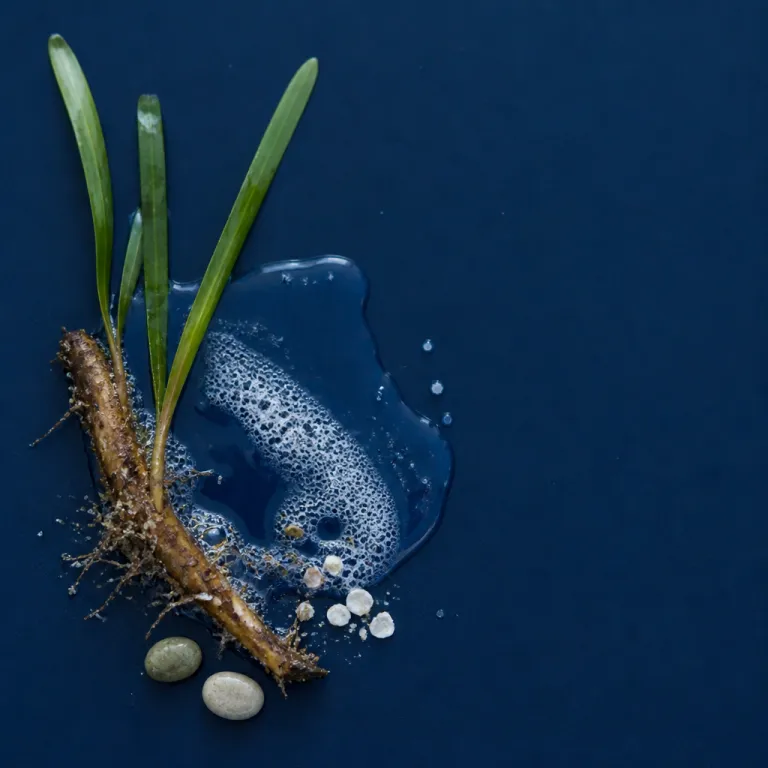
Why posidonia oceanica matters more than your infinity pool
Luxury travelers arrive in the Balearic Islands expecting clear waters and pale sand. Those luminous blue tones around each island depend less on the latest seafront hotel and more on a quiet marine plant called Posidonia oceanica. Understanding this underwater world will shape how you choose both your beaches and your beds.
Posidonia oceanica is not an algae but a flowering seagrass species, a true plant with roots, rhizomes and leaves that evolved for the Mediterranean Sea. Over centuries, posidonia grows horizontally and vertically, forming dense underwater meadows that can extend across large coastal areas. These oceanica seagrass meadows are perennial ecosystems; some underwater meadows between Ibiza and Formentera are estimated to be thousands of years old, according to regional monitoring programmes and research coordinated by the Balearic Islands Coastal Observing and Forecasting System (SOCIB).
Marine ecologists describe posidonia meadows as one of the Mediterranean’s most important marine life habitats. The plant’s rhizomes knit together the seabed, while its long green leaves slow currents and trap sediments. As a result, these oceanica meadows stabilize coastal areas, protect beaches from erosion and create the clear waters that define the Balearic brand.
The science behind clear waters and blue coves
When you swim off Formentera and see the bottom at 20 m, you are looking at the work of seagrass meadows. Each posidonia plant acts like a natural filter, capturing particles that would otherwise cloud the sea. Over tens of metres, dense posidonia meadows function as a living surveillance service for water quality, constantly cleaning and oxygenating the marine environment.
Scientists explain it simply: “How does Posidonia oceanica affect water clarity? Its meadows filter sediments, enhancing clarity.” The leaves slow waves and currents, so suspended sand and organic matter settle gently into the rhizomes instead of remaining in the water column. This process is why the Balearic Islands enjoy such clear waters compared with many other Mediterranean areas affected by pollution and coastal pressures. In a 2012 synthesis published in the journal Ocean & Coastal Management, researchers highlighted that meadows in the western Mediterranean, including the Balearic archipelago, are particularly effective at trapping fine sediments and improving visibility for swimmers.
There is another invisible luxury benefit: posidonia seagrass captures and stores carbon dioxide very efficiently. Research across the Mediterranean indicates that these seagrass meadows can sequester a significant share of local carbon, locking it into sediments for centuries and helping coastal areas adapt to climate change. When posidonia grows undisturbed, it builds thick underwater terraces that act like natural blue carbon vaults beneath your favorite beaches.
Hidden marine architecture between Ibiza and Formentera
The channel between Ibiza and Formentera is famous for its turquoise sea and yacht dotted horizon. Beneath those hulls lies one of the most important posidonia meadows in the Mediterranean, a vast underwater meadow system that forms part of the UNESCO World Heritage listing “Ibiza, Biodiversity and Culture.” This is where posidonia oceanica Balearic Islands seagrass conservation stops being an abstract phrase and becomes the reason your family can swim in such luminous blue water.
Here, posidonia grows in thick oceanica meadows that host dense marine life, from juvenile fish to octopus and seahorses. The rhizomes form layered structures several metres high, creating underwater meadows that function like kelp forests do in colder seas, offering shelter, food and breeding grounds for hundreds of marine species. For families choosing between islands, this is a strong argument for studying which island to pick using a guide such as how to match the right island to your family’s travel style.
Because these Balearic Islands meadows are so valuable, the regional government has introduced a posidonia decree that regulates anchoring and coastal development. A dedicated posidonia surveillance service operates patrol boats to monitor anchoring in sensitive areas and guide skippers away from seagrass meadows. For travelers, this means some traditional anchoring spots are now restricted, but it also means the underwater island landscapes that make Ibiza Formentera waters so special are being actively protected.
Threats beneath the surface: anchoring, coastal development and climate
Despite their resilience, posidonia meadows are declining across the Mediterranean Sea. Scientific monitoring suggests an average decline rate of around 1 to 2 percent each year, which is significant when you consider that some meadows took centuries to form. In the Balearic Islands, the main pressures are anchoring, coastal development and the combined impacts of pollution from coastal sources and climate change.
Anchoring is the most visible threat for visitors: a single heavy chain dragged across oceanica seagrass can rip out rhizomes that took decades to grow. When yachts anchor repeatedly in the same areas, they carve scars through underwater meadows, fragmenting habitats and reducing the plant’s capacity to store carbon dioxide. Once these seagrass meadows are damaged, posidonia grows back very slowly, often at just a couple of centimetres per year.
Coastal development compounds the problem by increasing sediment runoff and altering currents around beaches and harbours. More construction along Balearic coastal areas can mean more pollution and coastal discharges, which reduce water quality and stress marine species that depend on posidonia oceanica. Climate change adds another layer of risk, as warmer sea temperatures and invasive species can weaken the plant, making posidonia meadows less able to deliver the clear waters and stable beaches that luxury hotels quietly rely on.
How the Balearic Islands are protecting their underwater meadows
The Balearic government has treated posidonia oceanica Balearic Islands seagrass conservation as a strategic priority. A posidonia decree now defines protected areas where anchoring on seagrass is prohibited, and a patrol fleet of around 20 boats operates in coastal areas to enforce these rules. This posidonia surveillance network acts as a mobile surveillance service, advising captains on safe anchoring zones and checking that chains stay on sand, not on oceanica meadows.
In popular bays around Ibiza Formentera and Mallorca, mooring buoy systems have been installed so boats can tie up without dropping anchors on seagrass meadows. Revenue from the regional eco tax, which you pay per night in many premium hotels, helps fund marine life restoration projects and posidonia surveillance operations. When you choose a property that explains how this eco tax supports seagrass conservation, you are indirectly investing in the clear waters you came to enjoy.
Policy is only part of the story; the islands also promote low impact marine activities such as kayaking, paddle surfing and sailing over high speed combustion engine excursions. Many luxury hotels now partner with operators trained in posidonia oceanica Balearic Islands seagrass conservation, steering guests toward routes that avoid sensitive underwater meadows. For families planning a Palma based stay, guides such as choosing the best time to go to Mallorca for a luxurious Palma escape increasingly weave in seasonal advice on sea conditions and marine protection.
What luxury travelers can do: from yacht choices to room selection
High end travelers have real leverage in posidonia oceanica Balearic Islands seagrass conservation. When you book a yacht charter, ask explicitly about their anchoring policy in posidonia areas and whether they use buoys in protected zones. Operators who understand oceanica seagrass ecology will be proud to explain how they avoid damaging rhizomes and leaves in sensitive meadows.
On the hotel side, look for properties that talk concretely about marine life protection rather than vague green slogans. Ask whether their preferred boat partners follow the posidonia decree, and whether staff can brief you on seagrass meadows near local beaches. If you plan a longer stay or remote work trip, consider accommodations highlighted in guides to planning a remote work retreat in the Balearics with sea views, where the emphasis on clear waters and quiet coves often goes hand in hand with stronger conservation practices.
Small choices add up; choose snorkeling over jet skis in shallow coastal areas, and teach children not to trample washed up posidonia leaves that help stabilize beaches. When booking, favor hotels that support local marine foundations or participate in posidonia surveillance campaigns. By aligning your spending with operators who respect underwater meadows, you help ensure that the Balearic Islands remain an island group where blue water, healthy seagrass and refined hospitality still coexist.
The economic case: clear waters as the Balearic luxury asset
For the Balearic tourism economy, posidonia oceanica is not a niche environmental topic. It is core infrastructure, as critical to the islands’ positioning as any airport terminal or marina. Without extensive posidonia meadows, the Balearic Islands would lose much of the blue water aesthetic that underpins their premium hotel rates.
Those underwater meadows store large quantities of carbon and buffer beaches against storms, reducing the long term costs of coastal development and erosion control. When seagrass meadows are degraded, beaches narrow, water turns murkier and marine species decline, making the destination less attractive for families seeking safe, clear waters. Protecting oceanica seagrass therefore protects both natural capital and the financial value of seafront properties and high end resorts.
For travelers, this economic logic translates into a simple rule: the more a destination invests in posidonia oceanica Balearic Islands seagrass conservation, the more likely it is to offer stable beaches, clear waters and resilient marine life over the coming decades. Choosing hotels and operators aligned with the posidonia decree is not only an ethical decision, but also a way to safeguard the quality of your future holidays. In the Balearic Islands, the real luxury is an underwater meadow quietly doing the work that no infinity pool can replace.
Key figures behind Balearic seagrass and clear waters
- Across the Mediterranean Sea, posidonia meadows are estimated to cover on the order of 38,000 km², forming one of the region’s largest marine habitats (approximate figure referenced by scientific reviews and summarized in sources such as the UNEP/MAP “State of the Mediterranean Marine and Coastal Environment” report and Wikipedia).
- Scientific studies indicate that many Balearic posidonia meadows are declining at around 1.5 percent per year, a rate highlighted in MDPI research on long term seagrass monitoring that becomes critical over several decades.
- Posidonia oceanica can sequester roughly 12 percent of its net ecosystem production as long term carbon storage, according to data compiled by initiatives such as Posidonia Mallorca and Mediterranean blue carbon assessments, making it a significant blue carbon sink.
- Growth rates of posidonia rhizomes average about 2 cm per year, which means that a meadow scarred by anchoring can take centuries to rebuild its original structure.
- The Balearic Islands operate a dedicated patrol fleet for maritime sustainability and posidonia surveillance, with around 20 boats in service, a scale of surveillance that is unusual in the Mediterranean context and reported in regional government environmental briefings.
FAQ about posidonia oceanica and Balearic waters
Why is Posidonia oceanica important for the Balearic Islands?
Posidonia oceanica is vital because it maintains biodiversity, stabilizes the seabed and keeps Balearic waters clear. As a dominant seagrass species in the Mediterranean, its meadows host rich marine life and protect beaches from erosion. Without healthy posidonia meadows, the islands would quickly lose much of their blue water appeal.
Where is Posidonia oceanica found around the Balearic Islands?
This marine plant grows in shallow coastal areas around all the main Balearic Islands, especially between Ibiza and Formentera and along sheltered bays in Mallorca and Menorca. It prefers clear waters between roughly 1 and 40 m deep, where sunlight can reach its leaves. The densest underwater meadows often coincide with the most photogenic beaches and calas.
How does Posidonia oceanica affect water clarity for swimmers?
Its meadows filter sediments and slow currents, which allows particles to settle instead of remaining suspended in the water. This natural filtration makes the sea appear clearer and more intensely blue, particularly over pale sand. As the dataset states, “Why is Posidonia oceanica important? It maintains biodiversity and water clarity.”
What are the main threats to posidonia meadows in the Balearic Islands?
The most significant pressures are anchoring damage from boats, coastal development that increases sediment and pollution from coastal inputs, and climate change driven warming. Heavy anchors can rip out rhizomes, while construction and runoff reduce water quality. Over time, these impacts fragment seagrass meadows and reduce their capacity to store carbon dioxide and support marine species.
How can travelers help protect posidonia while enjoying the islands?
Travelers can choose operators who respect the posidonia decree, use mooring buoys instead of anchoring on seagrass and follow guidance from patrol boats. Snorkeling or kayaking in designated areas, avoiding trampling washed up leaves on beaches and supporting hotels that fund marine conservation all contribute. Small decisions across many trips help sustain the underwater meadows that make Balearic waters so clear.