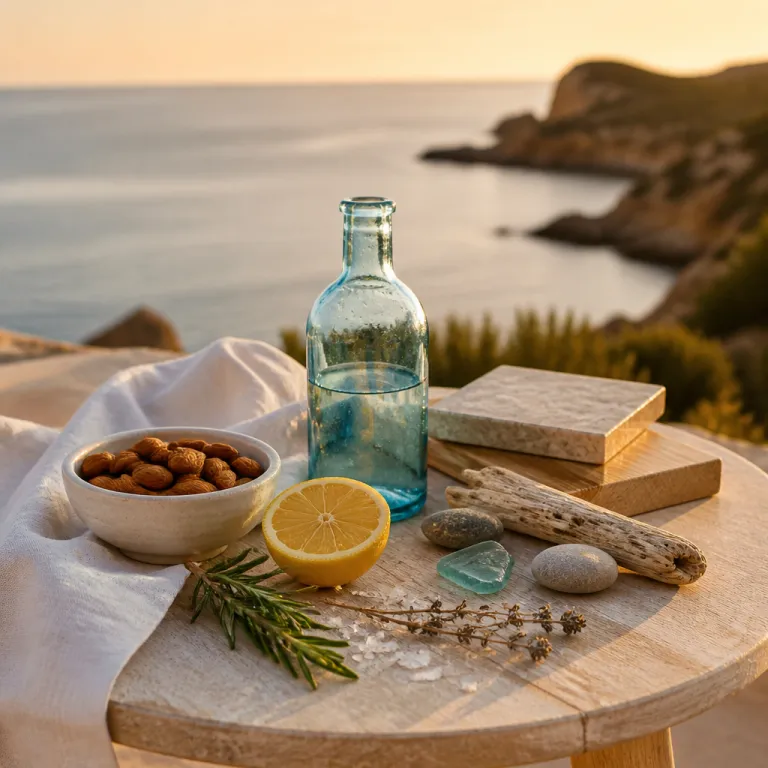
What to do in Mallorca for a refined first stay
Understanding what to do in Mallorca starts with its capital, because Palma sets the tone for the entire island. Begin your trip in the historic centre of Palma town, where sandstone facades, shaded patios and the vast cathedral create some of the most beautiful urban views in the Balearic Islands. From here, you can plan the best things to see across the island while keeping a luxury hotel in Palma Mallorca as your elegant base, ideally within a 10–15 minute walk of the cathedral.
Spend your first day walking from the cathedral to the marina, then up to Bellver Castle for sweeping views over the city, the harbour and the distant Tramuntana mountains. This circular fortress sits above Palma city and gives you a clear sense of how close the beaches of Mallorca lie to the cultural heart of the island, which helps you decide which coastal areas to visit next. Many premium hotel concierges arrange private transfers to Bellver Castle, so you can enjoy the tour without worrying about parking or timing, and a taxi from the old town usually takes around 10 minutes and costs roughly €10–€15.
In the evening, head to the Santa Catalina district, one of the best areas in Palma town for upscale dining and relaxed wine bars. Here you can enjoy fresh seafood, local wines and refined tapas, while hospitality staff share insider tips on things Mallorca offers beyond the obvious beach clubs. Ask them about quiet calas, scenic day trip options and the best beaches Mallorca has for sunrise or sunset, then refine your itinerary back at your hotel with a glass of cava in hand, perhaps after a stop at a well-regarded restaurant such as Naan Street Food (Carrer de Cotoner) or De Tokio a Lima (Carrer de Sant Feliu, near Passeig del Born).
Coastal elegance and hidden calas around the island
Once you have explored the city, the next question about what to do in Mallorca usually involves which cala or coastal town to prioritise. The island offers a long list of options, but for a premium stay you should focus on areas where crystal clear water, refined restaurants and quality hotels align. Many travellers combine Palma with a stay near a quiet cala, using private transfers or a chauffeured car to move between the city and the coast, with typical journeys of 45–70 minutes depending on the bay you choose and traffic conditions.
Cala Figuera on the south east coast feels like a painting, with whitewashed houses, fishing boats and some of the most beautiful views in this part of Mallorca. It is not a classic sandy beach, yet the rocky inlets and calm water make it ideal for a private boat trip arranged through your hotel concierge, especially if you want to swim in crystal clear coves away from crowds. Nearby, Cala Llombards offers a sheltered sandy bay, where pine trees frame the turquoise sea and create one of the best beaches for relaxed swimming and paddleboarding, with sunbed and umbrella rentals that help keep the experience comfortable.
When planning things Mallorca offers across several islands, consider combining your stay with an island hopping itinerary that includes Menorca and Ibiza. A detailed guide to planning an island hopping summer with ferries and budgets helps you understand how to link Mallorca with neighbouring islands while keeping travel times reasonable. This approach lets you enjoy different beaches, varied towns and contrasting hotel styles, while still returning to Palma Mallorca for flights and high end shopping at the beginning or end of your trip, especially if you prefer to fly in and out of the same airport.
Serra de Tramuntana, Sóller and refined mountain escapes
For many guests, the most memorable answer to what to do in Mallorca involves the Serra de Tramuntana, the UNESCO listed mountain range that runs along the northwest coast. Here, stone villages, terraced olive groves and dramatic sea cliffs create some of the best views on the island, especially around Sóller and Deià. Luxury hotels in these valleys often occupy historic estates, where you can enjoy spa treatments, tasting menus and quiet pools after a day of hiking or touring, with room rates that typically rise in July and August.
The town of Sóller sits in a fertile valley filled with orange trees, linked to Palma town by a vintage wooden train that offers a charming day trip through the Tramuntana mountains. From Sóller, a short tram ride takes you to Port Sóller, where a crescent shaped bay, elegant promenades and calm beaches Mallorca style await. Many travellers consider a night or two in a hotel overlooking Sóller port as one of the best things they do on the island, especially when combined with a private boat trip along the cliffs towards Sa Calobra, which lies about an hour away by sea.
If you are booking a premium stay during peak season, pay attention to which Balearic hotels fill first and how waitlists behave. Insights from an analysis of Balearic hotels booking up early show that mountain retreats in the Serra Tramuntana and seafront properties in Port Sóller often reach capacity quickly. To secure the best rooms and flexible cancellation policies, work with hospitality staff early, ask about minimum stay requirements, and consider midweek arrivals when planning your trip, particularly in late June and early September.
Cap de Formentor, Ses Salines and coastal viewpoints
When travellers ask what to do in Mallorca beyond Palma and Sóller, I always mention the dramatic headlands at both ends of the island. Cap Formentor in the north offers some of the most striking views in Mallorca, with winding roads, cliffs plunging into crystal clear water and viewpoints that feel almost suspended above the sea. Arrive early in the day to avoid traffic, and let your hotel arrange a driver if you prefer to enjoy the scenery without focusing on the road, as the journey from Palma takes around 75–90 minutes by car.
From Cap Formentor, many guests continue their trip with a relaxed afternoon on nearby beaches, choosing between long sandy stretches and smaller calas. This area includes some of the best beaches Mallorca offers for families, with shallow water and good services, while still providing quiet corners for couples seeking privacy. Ask your concierge about combining a day trip to Cap Formentor with a late lunch at a seafront restaurant, then return to your Palma city hotel in time for an evening stroll through the old town, which feels particularly atmospheric after sunset.
At the opposite end of the island, Ses Salines and its surrounding coastline reveal a different side of Mallorca, shaped by salt flats, dunes and wide beaches. From here, you can enjoy a boat trip towards the island of Cabrera, a protected marine reserve with crystal clear water and a calm, remote atmosphere. Many luxury travellers pair a stay near Ses Salines with time in Palma Mallorca, balancing quiet days by the sea with evenings in the city, where things Palma such as galleries, wine bars and live music complete the experience and make the itinerary feel varied.
Palma city life, Santa Catalina nights and cultural highlights
Palma is more than a gateway airport; it is a city where you can happily spend several days, especially if you enjoy art, architecture and gastronomy. When planning what to do in Mallorca, allocate at least one full day to Palma town itself, then add extra time if you enjoy slow travel. Start with the cathedral and the Almudaina Palace, then wander through the narrow streets of the old town, where courtyards and small galleries hide behind heavy wooden doors and quiet squares appear around unexpected corners.
In the afternoon, explore things Palma offers beyond the historic centre by walking or cycling along the seafront promenade. From here, you can appreciate how close the city lies to the beaches of Mallorca, with long stretches of sand just a short taxi ride from most hotels. Many premium properties along the waterfront offer rooftop pools and terraces, where you can enjoy sunset views over the bay before heading out for dinner, often with menus that highlight local seafood and Balearic wines.
As evening falls, Santa Catalina becomes one of the best places in Palma for dining and nightlife, especially if you enjoy a lively yet sophisticated atmosphere. The market hall, wine bars and restaurants attract both tourists and locals, including hospitality staff finishing their shifts and sharing tips on things Mallorca residents actually enjoy. Over dinner, you might hear someone say, “Spring and autumn offer pleasant weather and fewer crowds,” which aligns perfectly with the quieter, more refined experience many luxury travellers seek and helps you decide when to return.
Designing a luxury itinerary and choosing the right hotel
To turn a list of what to do in Mallorca into a coherent luxury itinerary, think in terms of contrasting bases rather than constant moving. A common pattern is to spend three or four nights in Palma city, then shift to a hotel in the Serra Tramuntana or near a quiet cala for the rest of the trip. This approach lets you enjoy both urban culture and coastal relaxation without wasting time on frequent packing and transfers, and it also simplifies restaurant and activity reservations.
When choosing a hotel, focus on location, service style and access to the experiences you value most. For example, if you want easy day trip options to Sóller, Port Sóller and the Tramuntana mountains, consider a property in Palma town with good transport links or a retreat in the valley itself. If your priority is swimming in crystal clear water and relaxing on the best beaches Mallorca offers, then a coastal hotel near Cala Llombards, Cala Figuera or the Ses Salines area may suit you better, with nightly rates that can range from mid-level boutique stays to high-end suites.
Guests who enjoy walking holidays can also look beyond Mallorca to other Balearic routes, then return to Palma for a final night in the city. A detailed article on planning the Camí de Cavalls from hotel to hotel shows how multi day coastal walks can pair with comfortable stays and luggage transfers. Use similar principles in Mallorca by combining gentle hikes in the Serra Tramuntana, relaxed boat trips from Sóller port and curated cultural tours in Palma, always returning to a hotel that matches your expectations for space, privacy and attentive service.
Practical tips for premium travellers in Mallorca
Knowing what to do in Mallorca is only part of planning a refined stay; understanding how and when to move around the island matters just as much. Spring and autumn are often the best times to visit, with pleasant temperatures, fewer crowds and more availability in top tier hotels. During these seasons, you can enjoy beaches, city walks and mountain tours without the intense heat of midsummer, and flight prices can be more moderate than in peak August.
Use a mix of private transfers, taxis and public transport, depending on your plans for the day. Guided tours work well for complex routes such as Cap Formentor or combined visits to multiple towns, while self exploration suits relaxed days in Palma or along the seafront. Mobile apps, detailed maps and advice from local guides help you choose between a spontaneous boat trip, a structured cultural tour or a leisurely afternoon by the hotel pool, with daily budgets that can range from modest to very high depending on your chosen activities.
Respect for local customs and the environment is central to a high quality experience on the island. Choose eco conscious hotels where possible, support local restaurants in town centres rather than only beachfront chains, and follow guidance on protected areas, especially around the Serra Tramuntana and marine reserves. With around ten million annual tourists and an average temperature of about 18 °C across the year, according to data regularly cited by the Mallorca Tourism Board and the Spanish State Meteorological Agency (AEMET), Mallorca benefits when visitors travel thoughtfully, enjoy its beautiful landscapes and contribute positively to the local economy.
Key figures for refined travel in Mallorca
- Mallorca welcomes around ten million tourists each year, according to the Mallorca Tourism Board and Balearic Islands statistics, which means premium travellers should book hotels and key experiences well in advance for peak months.
- The island’s average temperature is approximately 18 °C, based on long-term data from the Spanish State Meteorological Agency (AEMET), creating comfortable conditions for both beach days and cultural city tours for much of the year.
- Summer brings the warmest sea temperatures and the busiest beaches, while spring and autumn balance pleasant weather with fewer crowds, making them ideal seasons for luxury stays focused on relaxation and privacy.
- Public transport and guided tours cover major routes between Palma, Sóller and other towns, which helps visitors reduce parking stress and environmental impact while still reaching key viewpoints and beaches.
- Tourism plays a major role in the local economy, so choosing locally owned hotels, restaurants and tour operators directly supports Mallorcan communities and preserves cultural heritage.
Frequently asked questions about what to do in Mallorca
What is the best time to visit Mallorca for a luxury stay ?
Spring (April–June) and autumn (September–October) are usually the best times to visit Mallorca if you want a refined experience with fewer crowds and comfortable temperatures for both beach days and city walks.
Which areas are best for combining city culture and beaches ?
Palma town is ideal if you want museums, galleries and historic sites within walking distance while still staying close to several beaches of Mallorca, which you can reach by taxi or public transport in a short time.
Are there any local delicacies to try during my trip ?
Yes, prioritise tasting the traditional pastry called ensaïmada and the cured sausage known as sobrassada, ideally at local bakeries, markets or hotel breakfast buffets that showcase regional products.
Is English widely spoken in Mallorca’s hotels and restaurants ?
English is widely spoken in most hotels, restaurants and tourist services across the island, especially in Palma, Sóller and major coastal resorts, so you can comfortably communicate and arrange reservations.
How should I move around the island for day trips ?
For day trip plans, combine taxis or private drivers for flexible coastal routes with trains and buses for straightforward journeys such as Palma to Sóller, adding guided tours only for more complex itineraries like Cap Formentor.