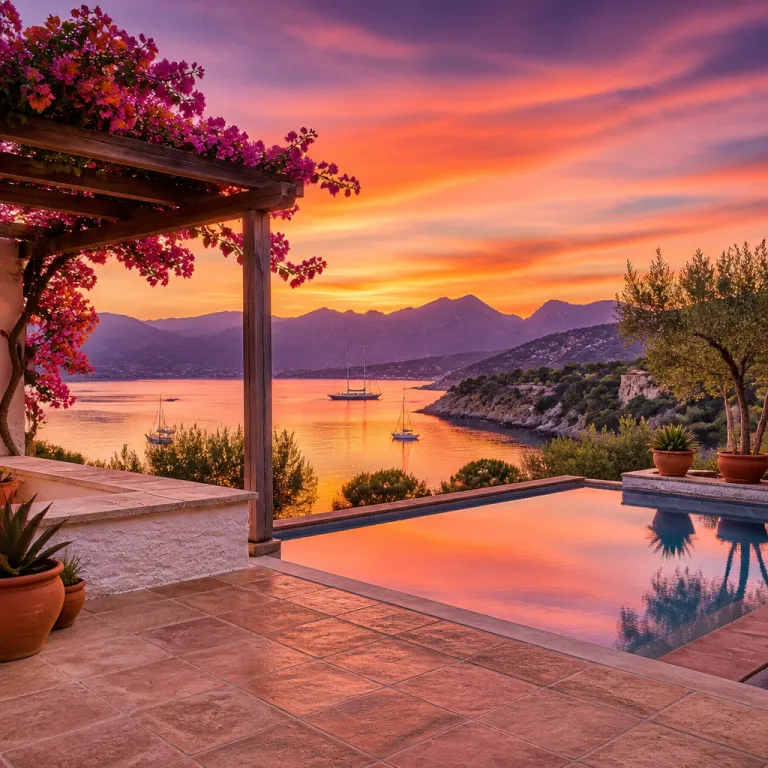
Palma city break essentials for luxury travellers
Palma rewards travellers who treat it as more than a quick city break. The historic heart of Palma combines grand architecture, refined shopping streets, and a waterfront promenade that frames many of the most memorable things to do in Mallorca. For luxury guests, the right hotel in Palma de Mallorca turns the city into a calm base, with the cathedral and marina often just a few minutes’ walk away.
The landmark Catedral de Mallorca dominates the skyline and anchors any first visit to the city centre. From its terraces, you enjoy sweeping views across the bay, the old town, and the wider island, which helps you understand how close Palma is to many beaches and mountain villages. After the cathedral, a slow wander through the narrow streets of the old town reveals quiet courtyards, discreet restaurant terraces, and elegant town houses converted into premium hotel addresses such as Hotel Sant Francesc or Can Bordoy Grand House & Garden, both frequently highlighted in Mallorca Tourism Board city-break recommendations.
For travellers planning a refined stay, some of the most relaxing moments in Mallorca start and end on a rooftop pool deck. Many luxury properties in Palma now feature a rooftop pool with panoramic views over the marina or the sandstone rooftops, creating a resort feeling in the middle of the urban fabric. When you choose a hotel in Palma, check walking distances to the city centre, the marina, and key sights such as the cathedral, the Almudaina royal palace, and the contemporary art museum Es Baluard, and ask about quiet rooms away from busy streets or late-night venues.
Palma works beautifully as a base for exploring the island on curated day trip itineraries. Public transport between Palma and major town hubs like Sóller or Alcúdia is reliable, which allows you to enjoy wine with lunch at a beach restaurant without driving. As local tourism experts often remind guests, “Use public transport to explore Palma”, and combine it with occasional private transfers when you want door-to-door comfort or need to reach more remote calas.
Luxury travellers should also consider timing when planning a Palma city break. Spring and autumn bring softer light, fewer crowds, and cooler temperatures for walking tours through the old town and along the coast of Mallorca. As one official recommendation from the Mallorca Tourism Board notes, “Spring and autumn offer pleasant weather and fewer crowds,” which suits travellers who prefer gallery visits and long lunches to peak-summer nightlife and midday heat.
Palma’s role as the island’s cultural capital means you can combine art, gastronomy, and sea views in a single afternoon. The city’s museums and galleries sit close to the waterfront, so you can move easily from an exhibition to a terrace with a view of the port. When you book a premium hotel in Palma de Mallorca, ask the concierge for private guides who specialise in architecture, gastronomy, or shopping, as this elevates your understanding of the city and often unlocks quieter visiting hours or after-hours access.
For travellers comparing Mediterranean capitals, Palma offers a rare balance between resort ease and urban sophistication. The airport lies only a short drive from the city centre, which keeps transfers efficient and allows even a short city break to feel relaxed. With the right hotel choice, Palma becomes both a gateway to the wider island and a destination in its own right, where you might end a day with a glass of local wine on a terrace overlooking the harbour and the illuminated cathedral.
Serra de Tramuntana villages and refined mountain escapes
The Serra de Tramuntana mountain range defines the north-west coast of Mallorca and shapes many of the island’s most scenic experiences. This UNESCO-listed region, recognised as the “Serra de Tramuntana Cultural Landscape” since 2011, stretches for about 90 km, offering dramatic views, terraced hillsides, and stone villages that feel far removed from the city. For luxury travellers, staying in a mountain hotel here means waking to birdsong, olive groves, and sea light on distant cliffs instead of traffic noise.
Valldemossa is often the first town guests visit in the Serra de Tramuntana. Its stone houses, flowered balconies, and historic charterhouse create a beautiful setting for slow walks and café stops. A premium hotel near Valldemossa allows you to enjoy the village early in the morning or later in the evening, when day trip crowds thin and the atmosphere becomes more intimate; a simple coffee on a quiet terrace can feel like a private concert of church bells and cicadas, especially outside the peak summer months.
Deià, often written as Deia, has long attracted artists and writers, and today it hosts some of the island’s most exclusive hotel addresses, including Belmond La Residencia. The village clings to the hillside above the coast of Mallorca, with views that sweep from mountain ridges down to the sea. Many luxury properties here offer suites with private terraces, where you can watch the light change over the town and the surrounding peaks while listening to distant waves and the rustle of pine trees.
Sóller and Port de Sóller form another elegant base in the Serra de Tramuntana. The historic Tren de Sóller connects Palma with the town of Sóller, passing through citrus groves and mountain tunnels in a journey that feels like a moving postcard and takes about one hour. From Port de Sóller, you can board small boats to explore nearby coves or simply enjoy a long lunch at a waterfront restaurant with crystal clear sea views and the scent of grilled fish in the air.
For active guests, the Serra de Tramuntana offers some of the best hiking in Mallorca. Well-marked trails link villages such as Valldemossa, Deià, and Sóller, allowing you to combine cultural visits with time in nature. Popular routes include the coastal path between Deià and Port de Sóller (around 3–4 hours, moderate difficulty) and sections of the GR-221 “Ruta de Pedra en Sec”, and many luxury hotels in the region arrange guided walks, picnics in scenic place settings, and transfers so you can hike one way and return comfortably.
When planning a stay in these mountain villages, consider how you want to balance seclusion and access. A hotel above Deià might offer unmatched sunset views, while a property near Port de Sóller provides easier access to the beach and boat trips. For detailed inspiration on refined itineraries that combine Palma, the Serra de Tramuntana, and the coast, consult this guide to a luxurious Palma escape and the best time to go, and cross-check timings with current information from the Mallorca Tourism Board.
Luxury travellers often pair a few nights in Palma city with several nights in the Serra de Tramuntana. This combination allows you to experience both the cultural energy of the capital and the tranquil rhythm of the mountains. With careful planning, you can enjoy spa treatments, fine dining, and scenic drives in a single, coherent itinerary that still leaves space for an unplanned village stroll or an extra swim in a hotel pool overlooking the hills.
Coastal elegance: from Port de Sóller to Cap Formentor
The north and north-west coasts of Mallorca offer some of the most dramatic sea views in the Mediterranean. For travellers seeking memorable coastal experiences, this stretch of the island combines clifftop drives, refined marinas, and hidden coves with crystal clear water. Choosing a hotel along this shoreline lets you wake to the sound of waves and end the day with sunsets over the sea that turn the cliffs pink.
Port de Sóller is a natural harbour framed by hills and elegant promenades. Luxury hotels here often sit just a minute’s walk from the waterfront, where you can board boats, stroll the promenade, or dine at a seafood restaurant overlooking the bay. The combination of mountain backdrop and sheltered port makes this a great place for guests who want both beach access and easy day trip options into the Serra de Tramuntana, with properties such as Jumeirah Port Soller Hotel & Spa offering elevated views.
Further north, the road to Cap Formentor is one of the island’s iconic drives. The route winds along cliffs and viewpoints, offering some of the best views in Mallorca, especially at sunrise or late afternoon when the light softens. Many travellers consider Cap Formentor a highlight of their visit, and private drivers or guided excursions can make the journey more relaxing for those who prefer not to navigate the curves themselves or deal with seasonal parking restrictions; in high season, aim for early morning arrivals before 9:00 or later visits after 17:00 to avoid the busiest hours.
Along this coast, premium hotels often feature a rooftop pool to maximise the panorama. From these elevated decks, you can watch boats move in and out of the port, see the changing colours of the sea, and enjoy a quiet drink away from the promenade. When selecting a hotel, consider whether you prefer direct beach access, a higher vantage point with wider views, or a location closer to the town centre and its restaurants and boutiques.
Luxury travellers interested in history may also appreciate properties that repurpose historic buildings along the coast. One notable example is highlighted in this in-depth feature on what it feels like to unwind inside Mallorca’s military history, which shows how a former fortress can become a serene spa retreat. Experiences like this demonstrate how the island blends heritage with contemporary comfort in ways that feel both authentic and indulgent, especially when you are swimming in a pool carved into old stone walls.
For those planning a longer stay, combining Port de Sóller with time near Cap Formentor allows you to experience different moods of the island. Port de Sóller offers a sheltered bay and village atmosphere, while the Formentor peninsula feels wilder and more exposed to the open sea. Both areas reward unhurried exploration, with plenty of viewpoints, walking paths, and quiet corners away from the main routes where you might pause simply to listen to the wind and the waves.
When you design your itinerary along this coast, think about how you want to move between relaxation and activity. A morning boat trip from Port de Sóller, an afternoon by the rooftop pool, and an evening drive to a viewpoint near Cap Formentor can all fit comfortably into a single day. With thoughtful planning, this coastline becomes a continuous sequence of refined experiences rather than a checklist of sights, and you avoid spending too much time in the car.
Calas and beaches: where luxury meets crystal clear water
Mallorca is famous for its calas, the small coves where pine-covered cliffs meet crystal clear water. For many guests, time in a secluded cala ranks among the most enjoyable things to do on the island, especially when combined with the comfort of a nearby luxury hotel. The island offers more than 200 beaches, ranging from long sandy stretches to intimate inlets framed by rocks and scented with pine.
Cala des Moro is one of the most photographed coves on the island. Its turquoise water and white sand create a beautiful contrast with the surrounding cliffs, though its popularity means it can feel busy in peak season. Nearby, Cala Llombards offers another sheltered bay, and many travellers plan a day trip that includes both calas, timing their visit for early morning or late afternoon when the light is softer; in summer, parking near Cala des Moro often fills by mid-morning, so arriving before 8:30 or choosing a late-afternoon slot can make access smoother.
On the east coast, Cala Varques remains relatively secluded compared with more accessible beaches. Reaching this cala usually involves a walk of around 20–30 minutes, which helps preserve its quiet atmosphere and rewards guests with clear water and a natural setting. For luxury travellers, arranging a private transfer and a prepared picnic can turn a simple beach visit into a curated experience, with chilled drinks, shade, and beach towels ready when you arrive.
When choosing a hotel for a beach-focused stay, consider how close you want to be to specific calas. Some properties sit directly above a Mallorca cala, with steps leading down to the water, while others offer shuttle services to nearby beaches. A hotel with a rooftop pool can be particularly appealing, allowing you to enjoy sea views and a swim even when the beaches feel crowded or windy, or when you prefer to stay close to your suite.
Families and couples often appreciate staying in a town that offers both beaches and dining options. A great place for this balance might be a coastal town with a promenade, a protected beach, and several high-quality restaurant choices within a short walk. From such a base, you can explore different beaches by car or boat while returning each evening to the comfort of your chosen hotel and a familiar table for dinner.
For guests who value privacy, consider arranging boat charters to reach smaller calas along the coast of Mallorca. Skippers who know the area can suggest the best place to anchor depending on wind and sea conditions, which enhances both comfort and safety. Combining time on the water with swims in quiet coves often becomes a highlight of a luxury stay, especially when the only sounds are waves against the hull and the clink of glasses.
Whatever your preferences, planning ahead is essential for a refined beach experience. Booking restaurant tables near popular beaches, reserving loungers where available, and coordinating transfers with your hotel concierge all help your days unfold smoothly. With thoughtful preparation, the calas and beaches of Mallorca become more than scenic backdrops; they become the setting for relaxed, memorable days by the sea.
Palma gastronomy, culture, and refined evenings
Palma offers a sophisticated dining scene that rivals much larger cities, which makes it central to any luxury stay in Mallorca. From traditional celler-style restaurants to contemporary tasting menus, the city caters to travellers who treat gastronomy as a core part of their trip. Many luxury hotels in Palma now collaborate closely with chefs, curating in-house dining that reflects local produce and seasonal flavours, such as tasting menus built around island olive oils and citrus.
In the old town, you can move from tapas bars to elegant restaurant dining rooms within a few streets. Traditional dishes such as ensaïmada and sobrassada appear alongside modern interpretations that highlight the island’s vegetables, seafood, and olive oils. For guests staying in a central hotel, this density of options means you can enjoy varied evenings without needing long transfers across the city, perhaps starting with pintxos at a lively bar before a late reservation at a Michelin-starred restaurant.
Palma’s cultural life extends well beyond its restaurants. The city hosts museums, galleries, and performance spaces that allow you to combine art and gastronomy in a single evening. Many travellers plan their visit around a specific exhibition or concert, then book a restaurant nearby, turning a simple night out into a curated cultural experience that might end with a walk along the illuminated city walls or the marina.
For refined evenings, rooftop bars and terraces play an important role. A hotel with a rooftop pool often transforms the space into a lounge area after sunset, serving drinks and light dishes with views over the port and cathedral. These elevated settings feel particularly special during a city break, when you can watch the lights of Palma de Mallorca reflect on the water and hear the distant sound of boat masts in the marina.
When planning where to stay, consider how you like to spend your evenings. If you prefer walking between dinner, drinks, and your hotel, choose a property in or near the city centre, where things in Palma such as major restaurants, theatres, and galleries cluster. Guests who value quieter nights might opt for a hotel slightly outside the busiest streets, relying on short taxi rides to reach their chosen restaurant and returning later to a calmer neighbourhood.
Palma also works well as a base for culinary day trip excursions across the island. From the city, you can reach wine estates, rural restaurants, and coastal dining rooms within an hour’s drive, then return to your urban hotel for a final drink on the terrace. For a broader perspective on refined itineraries that combine culture, cuisine, and coastal stays, consult this detailed guide to what to do and see on a refined island escape, and compare its suggestions with current listings from the Mallorca Tourism Board.
Luxury travellers often find that Palma’s gastronomy shapes the rhythm of their stay. Long lunches on shaded terraces, tasting menus in the evening, and informal tapas stops between cultural visits all contribute to a sense of place. With careful restaurant reservations and a well-located hotel, your time in Palma becomes a sequence of memorable meals framed by architecture and sea light.
Planning your luxury stay: logistics, timing, and protection
Thoughtful planning transforms a trip to Mallorca from pleasant to exceptional, especially when you focus on the island’s most rewarding experiences. The island’s compact size means you can combine Palma, mountain villages, and beaches in a single itinerary, but logistics matter. Choosing the right hotel in each area helps you minimise transfers and maximise time enjoying the island rather than packing and unpacking.
Start by deciding how you want to divide your stay between Palma city, the Serra de Tramuntana, and the coast of Mallorca. Many luxury travellers spend several nights in Palma for culture and dining, then move to a mountain or beach hotel for slower days. When you book, pay attention to distances between your chosen town bases, such as Palma, Sóller, Deià, and Valldemossa, to keep transfers under an hour where possible and avoid backtracking along the same roads.
Timing also plays a crucial role in shaping your experience. Spring and autumn usually offer comfortable temperatures for walking tours, hiking in the Serra de Tramuntana, and exploring town centres without intense heat. Summer brings lively beach scenes and long evenings, which can be ideal if you prioritise calas, rooftop pool time, and late dinners by the port, while winter appeals to guests who enjoy quieter streets and cooler hiking conditions.
For day trip planning, consider how many activities you realistically enjoy in one day. A visit that combines Palma’s cathedral, a long lunch, and an afternoon at a nearby beach can already feel full, especially in warmer months. When you add drives to places like Cap Formentor, Cala des Moro, or Cala Llombards, build in time for rest at your hotel so the journey remains enjoyable and you arrive at dinner still relaxed.
Protection and peace of mind are also part of a refined travel experience. Comprehensive travel insurance for your Mallorca stay is essential, especially if you plan activities such as hiking in the Serra de Tramuntana or boat trips from ports like Port de Sóller. Quality travel insurance should cover medical care, trip interruption, and any pre-booked experiences, which allows you to focus fully on the island and its landscapes.
When selecting accommodation, read recent guest feedback with attention to details that matter for your style of travel. Comments about noise levels, service consistency, and the accuracy of walking time claims such as “a minute walk to the beach” can help you choose the best hotel for your needs. For premium stays, do not hesitate to contact the property directly to confirm room views, access to facilities like the rooftop pool, and any concierge services that support your planned activities, from restaurant bookings to private guides.
Finally, remember that Mallorca rewards unhurried exploration as much as careful planning. Leave space in your schedule for spontaneous café stops in a quiet town square, an extra swim in a hidden cala, or an unplanned visit to a local market. With a balanced itinerary, reliable travel insurance, and well-chosen hotels, your time on the island will feel both secure and beautifully free.
Key statistics for planning a refined Mallorca stay
- Mallorca offers around 200 beaches across the island, which means travellers can choose between long sandy stretches, family-friendly bays, and secluded calas depending on their preferences (figure referenced by the Mallorca Tourism Board and Balearic Islands tourism data).
- The Serra de Tramuntana mountain range extends for approximately 90 km along the north-west of Mallorca, creating a dramatic backdrop for towns such as Valldemossa, Deià, and Sóller (UNESCO World Heritage data for the “Serra de Tramuntana Cultural Landscape”).
- The island welcomes about 10 million visitors per year, so booking hotels, restaurant tables, and key activities well in advance is essential for a relaxed luxury experience (Mallorca Tourism Board figures and official Balearic Islands tourism statistics).
- Public transport between Palma and major towns such as Sóller and Alcúdia is considered reliable, which allows travellers to reduce car use and enjoy wine with meals without driving concerns (Mallorca Tourism Board guidance on sustainable mobility and regional bus networks).
- Seasonal patterns show that spring and autumn bring milder temperatures and fewer crowds, making these periods particularly suitable for hiking, cultural visits, and city breaks focused on Palma (climate data from the Spanish State Meteorological Agency and local tourism advice).
Frequently asked questions about a luxury stay in Mallorca
What is the best time to visit Mallorca for a luxury holiday ?
For a refined stay that balances comfort and calm, spring and autumn work especially well. Temperatures are pleasant for walking in Palma city, exploring the Serra de Tramuntana, and enjoying beaches without intense heat. These seasons also tend to bring fewer crowds, which enhances the atmosphere in towns such as Valldemossa, Deià, and Sóller.
Are there any hidden beaches in Mallorca suitable for premium travellers ?
Yes, several calas feel more secluded and suit guests seeking quieter settings. Cala Varques on the east coast is a good example, as reaching it usually involves a walk that limits visitor numbers. With support from your hotel concierge, you can arrange transfers, picnics, or boat access to make these coves part of a comfortable day trip.
Is public transport reliable enough for a car free luxury stay ?
Public transport on the island, especially in and around Palma, is generally reliable between major towns. Buses and the historic Tren de Sóller allow you to reach places like Sóller and Port de Sóller without driving. Many luxury travellers combine public transport with private transfers arranged by their hotel to maintain flexibility and comfort.
What local dishes should I try during a high end stay in Palma ?
Two traditional specialities to seek out are ensaïmada, a light pastry often enjoyed at breakfast, and sobrassada, a cured sausage typically served with bread. Many fine dining restaurants in Palma reinterpret these and other local ingredients in contemporary menus. Asking your hotel concierge for current recommendations ensures you experience both classic and modern expressions of Mallorcan cuisine.
Are there good hiking opportunities near luxury hotels in Mallorca ?
Yes, the Serra de Tramuntana offers excellent hiking trails that start near or even directly from several premium hotels. Villages such as Valldemossa, Deià, and Sóller serve as gateways to routes with sea and mountain views. Many properties can arrange guided hikes, transfers, and picnics so you can enjoy the landscape with maximum comfort and safety.